Understanding the Role of the U.S. Dollar in African Importation
In the complex world of global trade, certain economic dynamics persistently shape the operations and strategies of businesses worldwide.
As an African trader primarily involved in importation, particularly from countries like Turkey, Vietnam, China, and India, one might question why the U.S. dollar is necessary for these transactions, especially when trade is not conducted with the United States.
This article explores the necessity of the U.S. dollar in importation processes, examines the broader implications for foreign trade and the economy, and discusses the potential benefits of an African common currency.
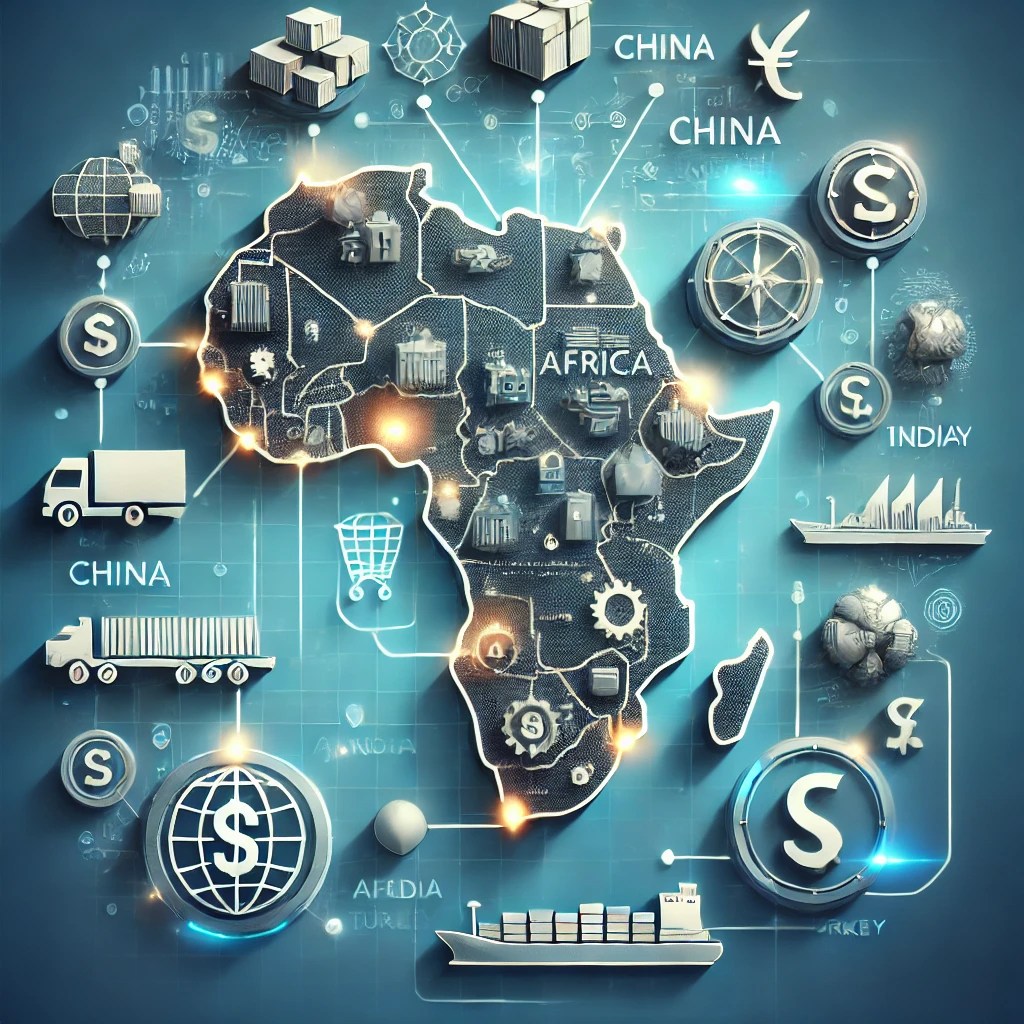
The Dominance of the U.S. Dollar in Global Trade
Why the U.S. Dollar?
The U.S. dollar has established itself as the dominant currency in global trade due to several historical and economic factors. First, the Bretton Woods Agreement of 1944 cemented the dollar’s role as the world’s primary reserve currency. Even after the collapse of the Bretton Woods system in 1971, the U.S. dollar maintained its dominance, bolstered by the strength of the American economy and the extensive use of the dollar in international transactions.
For traders in Africa, the dominance of the U.S. dollar means that most international transactions, even with countries like China, India, and Turkey, are conducted in dollars. This reliance on the dollar is primarily due to the following reasons:
- Stability and Liquidity: The U.S. dollar is considered one of the most stable currencies globally. This stability reduces the risk of significant value fluctuations during transactions, making it a preferred medium for international trade. Additionally, the dollar’s liquidity ensures that it is readily available and widely accepted, facilitating smoother and quicker transactions.
- Global Reserve Currency: Many central banks around the world hold significant reserves of U.S. dollars. This global reserve status makes the dollar a more trusted and widely accepted currency in international markets.
- Standardization: The widespread use of the dollar creates a standardized trading environment. By conducting transactions in a common currency, businesses reduce the complexities and risks associated with currency exchange.
Impact on African Importers
For African traders like myself, the reliance on the U.S. dollar, despite importing goods from non-U.S. countries, is a reflection of the currency’s entrenched role in global trade. This dependency, however, poses challenges, particularly when considering currency fluctuations, transaction costs, and the broader economic implications for African economies.
Example: Importation from Turkey, China, Vietnam and India
When importing goods from countries like Turkey, China, or India, African traders like myself often have to convert our local currencies to U.S. dollars before making payments. This additional conversion step can lead to increased costs due to exchange rate fluctuations and transaction fees.
Moreover, the strong demand for dollars within the local market can sometimes drive up the cost of acquiring dollars, further affecting the importation costs.
The Control of Money and Its Impact on the Economy
The Influence of Western Economies
As long as Europe and America control the global financial system, including the dominance of the U.S. dollar, they will continue to exert significant influence over the economies of other regions, including Africa. The reliance on the dollar means that African economies are vulnerable to monetary policies implemented by the U.S. Federal Reserve, which are primarily designed to serve American interests.
For instance, changes in U.S. interest rates can lead to capital flows in and out of African markets, affecting exchange rates, inflation, and overall economic stability. This control over money translates into control over the economy, limiting the ability of African nations to fully dictate their economic policies independently.
The Case for an African Common Currency
Given the challenges associated with reliance on the U.S. dollar, there is a growing call for the establishment of an African common currency. Such a currency, backed by African resources rather than foreign currencies like the dollar or euro, could offer several advantages:
- Economic Sovereignty: A common African currency would reduce the continent’s dependence on external currencies, allowing for greater control over monetary policies. This autonomy would enable African nations to tailor their economic strategies more closely to their unique needs and circumstances.
- Reduced Transaction Costs: By eliminating the need for currency conversions, a common currency would lower transaction costs for businesses engaged in intra-African trade, fostering greater economic integration across the continent.
- Enhanced Trade and Investment: A stable, unified currency could encourage more trade and investment within Africa, as businesses would no longer have to navigate the complexities and risks associated with currency fluctuations.
Challenges to Implementation
Despite its potential benefits, the implementation of a common African currency faces significant challenges. These include the need for strong economic convergence among member states, the establishment of a centralized monetary authority, and the creation of robust financial infrastructure to support the currency.
Additionally, political will and cooperation among African nations will be critical in overcoming these challenges and realizing the vision of a unified currency.
The Future of Importation and Economic Independence
Towards a More Independent Africa
The journey towards economic independence for Africa is intrinsically linked to reducing reliance on external currencies and building stronger, more resilient economies. Importation, foreign trade, and the broader economy are all areas where African nations must assert greater control to achieve long-term prosperity.
By focusing on the development of local industries, increasing intra-African trade, and exploring alternative currencies, African economies can begin to reduce their dependence on the U.S. dollar and other foreign currencies.
Leveraging Resources for Economic Growth
Africa is rich in natural resources, from minerals and oil to agricultural products. These resources can serve as the foundation for a more self-sufficient economy, reducing the need for imports and increasing the continent’s bargaining power in global trade negotiations. By leveraging these resources strategically, African nations can drive economic growth and create a more balanced trade relationship with the rest of the world.
Related Content
To learn more about the importance of economic independence and strategies for African businesses, consider exploring other insightful articles on IykBethany Gistville. You might find the following articles particularly relevant:
- The Role of SMEs in Boosting Nigeria’s Economy
- Navigating the Challenges of International Trade in Africa
Conclusion
In summary, the use of the U.S. dollar in African importation, even when trading with non-U.S. countries, is a reflection of the dollar’s dominant position in global trade. While this reliance offers certain advantages, it also poses significant challenges for African economies, particularly in terms of economic sovereignty and stability. The potential benefits of an African common currency, backed by the continent’s vast resources, present a compelling case for rethinking Africa’s approach to foreign trade and importation.
As African nations continue to develop their economies and assert greater control over their financial systems, the path to economic independence will likely involve reducing reliance on external currencies and fostering greater regional cooperation. By taking these steps, Africa can build a more resilient and prosperous future for its people.
For more insights on importation, foreign trade, and the economy, visit IykBethany Gistville.
 IykBethany Gist Ville