Maximizing Yield in Greenhouse Farming In Nigeria: My Journey With Habanero Pepper & Bell Pepper
As an entrepreneur, I’ve always looked for ways to invest in the agricultural sector because agriculture offers more than just business opportunities. It’s a way to create jobs, generate wealth, and contribute to food security.
I ventured into agriculture many years ago to create jobs, create wealth and food security so iykbethany farms is a project that is very important to me, but the journey hasn’t been easy at all. There have been trials and errors along the way and I have been documenting everything so others can learn from the process, my mistakes and struggles.
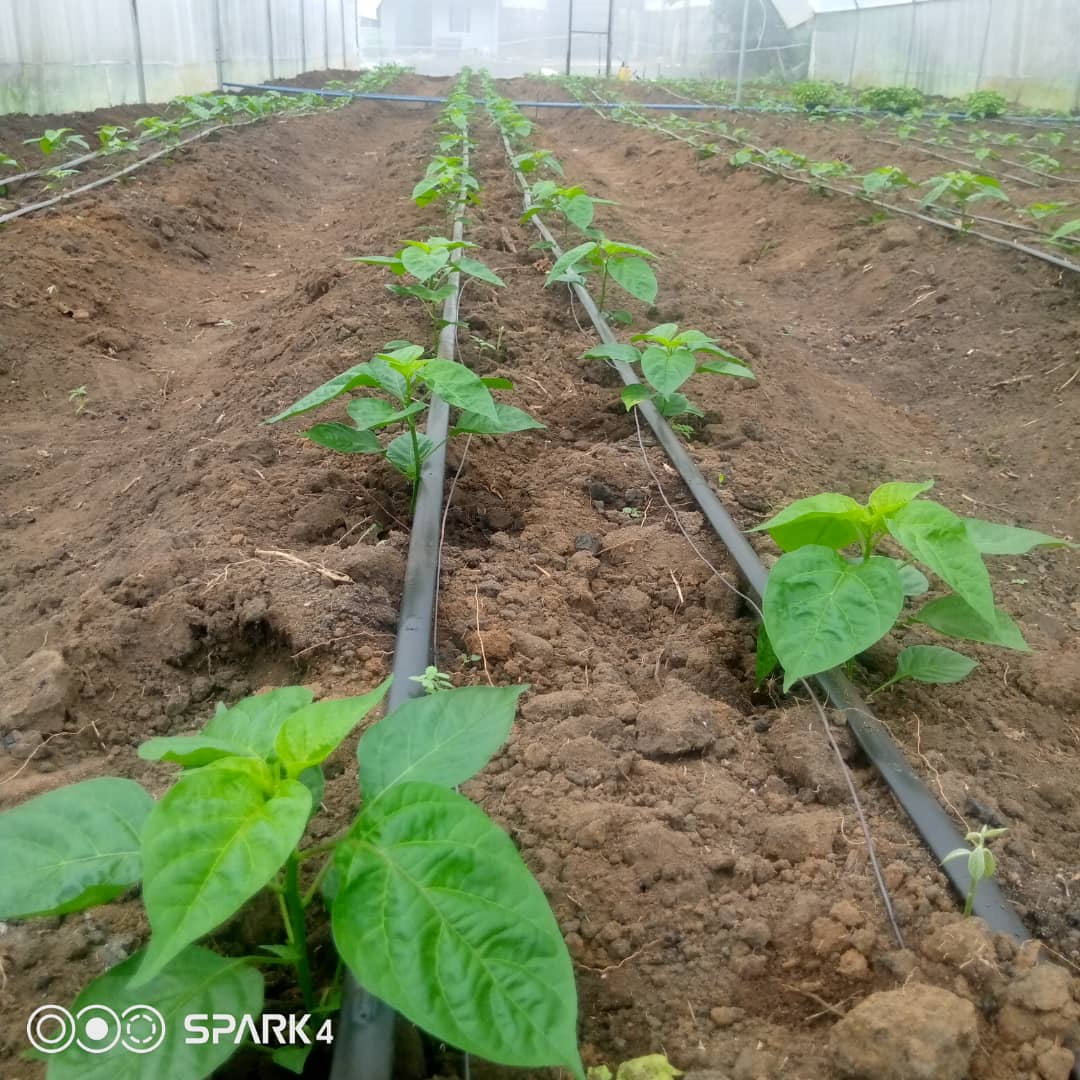
I already have other farms for banana, plantains, oil palm and pineapples but one other venture that really caught my eye was greenhouse farming due to its immense potential to improve crop yields and maximize the use of limited land.
Here is a link to my journey with Malaysian Supergene Oil Palm Seedlings: Sowing the Future: My Journey with 1,000 Malaysian Supergene Oil Palm Seedlings.
The Decision to Venture into Greenhouse Farming
The idea to invest in greenhouse farming came from my observation of Nigeria’s agricultural sector. Agriculture remains a critical part of the economy, yet many farmers still rely on traditional open-field farming, which is vulnerable to weather fluctuations, pest infestations, and inconsistent crop yields. With greenhouse farming, I saw an opportunity to leverage controlled environments to optimize crop growth, especially for high-value crops like habanero peppers.
Initial Setup and Consultation
The first year I ventured into agriculture, I went into Plantain and cassava farming without consulting any professional so the project failed woefully. So these days I do a lot of research and I consult widely. Since greenhouse farming was a new venture for me, I knew that consulting an expert was critical to ensuring the project’s success. So I turned to a greenhouse expert I met on Nairaland. After several discussions, I hired him to oversee the construction of the greenhouses and other necessary infrastructure on the farm.
The project plan included:
- Setting up two greenhouses: One dedicated to habanero peppers (Habanero F1) and the other for bell peppers (Hercules F1 red and Abbey F1 yellow).
- Constructing a water tank stand: This would support two large water tanks that were crucial for the irrigation system.
However, it wasn’t long before we encountered a significant setback. Unfortunately, the tank stand collapsed on the very day we filled the tanks with water. It turned out that the contractor used inferior materials, specifically low-quality metal, for the structure. As a result, the tank stand could not support the weight of the filled tanks, leading to its collapse.

Damage and Financial Losses
When the tank stand collapsed, the two water tanks were severely damaged, leaving them unusable. This resulted in unexpected financial losses, as I had to buy two new water tanks. Moreover, the entire tank stand had to be reconstructed from scratch but this time I used manual labour and I decided to use blocks and cement.
The total damage and reconstruction costs included:
- The cost of buying two new water tanks.
- The expense of reconstructing the tank stand with stronger, more reliable materials—this time, I opted for a tank stand made from concrete blocks and cement instead of metal.
Lessons Learned from the Setback
While the setback with the water tank stand was a major hurdle, it also taught me several valuable lessons about managing a greenhouse farming project. As an entrepreneur, it’s essential to not only focus on the potential profits but also to be mindful of the process, quality of materials, and the people involved in the project. Also, I have found out that water tank stands made of block and cement are stronger than those made of metals. And it is cheaper as well.
After completing the greenhouse construction, I decided to hire a farm manager/agronomist to help oversee the operations.
I will never repeat the mistakes I made years ago when I planted cassava and other crops without proper supervision.
So I found someone from UNIPORT who had the knowledge and skills I was looking for. Since he’s still a student at Uniport, he requested free furnished accommodation on the farm, along with cooking utensils, to make it convenient for him to manage the farm while continuing his studies.
This is a pilot project so I am still learning and documenting the whole process.
Below is a step by step guide to maximise yield in greenhouse farming
Phase 1: Seed Germination and Nursery
– Raised 1,000 seeds each of red and yellow bell peppers and habanero peppers
– Germination occurred after 7 days
– Nursery duration: 28 days before transplanting
Phase 2: Farm Preparation
– Cleared the farm
– Created ridges
– Installed irrigation system
– Applied manure and NPK 15.15.15 fertilizers
Phase 3: Transplanting and Greenhouse Setup
– Transplanted seedlings into two greenhouses:
– Habanero F1
– Bell Pepper (Hercules F1 red and Abbey F1 yellow)
– Set up:
– Binding wire (upper and lower lines)
– Staking rope
Feeding Pattern
– Week 1: Plain water
– Week 2: Nitrogen application
– Week 3: Calcium nitrate application
– Week 4: Potassium nitrate application
Conclusion
Greenhouses are a valuable tool for improving agricultural productivity in Nigeria, especially for crops like habanero peppers and bell peppers. By providing a controlled environment, greenhouses help farmers overcome the challenges of traditional farming, such as unpredictable weather and pests. The structured approach to farming, from seed germination to transplanting and feeding, ensures high yields and quality produce.
Most Nigerians do not know that the reason foodstuffs are expensive is because of insecurity in the North.
Northern Nigeria is our food basket but sadly bandits and terrorists are attacking farmers on a daily basis. In some Northern states, farmers cannot access their farms without paying helft ramson to bandits and there is no guarantee you will come back alive even after paying the ransom.
If the government can tackle insecurity, food prices will drop dramatically.
 IykBethany Gist Ville