How the two manufacturing hubs of Mexico and China stack up

With wages rising rapidly in China, Mexico once again has become an attractive manufacturing hub—even to the Chinese.

On Oct. 27, the state-owned China Communications Construction Company (CCCC) signed a preliminary agreement with the Mexican state of Jalisco to build an industrial park that would potentially house dozens of Chinese manufacturers, Reuters reported.

The deal underscores the big shift in production costs across the two countries.

In 2000, workers in Mexico’s manufacturing sector earned nearly 60% more than their Chinese counterparts, according to the Boston Consulting Group. Now they earn 11% less.

Adjusted for productivity, the gap is even bigger.

“Mexico has continued to stay more productive than China per worker,” Justin Rose, a partner at Boston Consulting Group in Chicago, told Quartz. “Sometime in 2011 or 2012, from a labor-cost perspective, it became cheaper to put manufacturing capacity in Mexico than in China.”

Other production costs, such as energy, also have gone down in Mexico while climbing in China.

Mexico is also much closer to the US, the world’s biggest consumer market and one of the brighter spots in the global economy. Jalisco’s governor, Aristóteles Sandoval, says the CCCC project (link in Spanish) would turn his state into a gateway for China to the rest of his country, and to the US.

The proximity is a big advantage for companies that deal in products that need to be quickly turned around, said Foster Finley, a managing director at consulting firm AlixPartners.

“All of a sudden if there’s a design change, you’re comparing right next door with a long way away,” he told Quartz. “That’s a factor.”

Another advantage for producers in Mexico: the Mexican peso has weakened considerably against the Chinese currency, making it, comparatively, all the more affordable to produce there.

Lionel Messi is the new global ambassador of TATA India’s largest automaker

India’s largest automaker, Tata Motors, has roped in Argentine soccer icon Lionel Messi as its global brand ambassador for the passenger vehicles category—where the company has been struggling.

This is the first time that Messi will endorse an Indian brand.

“The idea is to engage with young people, and we found that football and Messi had a lot of connect with the youth,” Mayank Pareek, Tata Motors’ president for the passenger vehicle business unit, told the Press Trust of India. The company’s contract with Messi is for two years, which can be extended.

Tata Motors holds just a 5.72% market share in India’s passenger vehicle market. The company has seen tepid growth in the segment during the current fiscal year, with sales even falling month-on-month sometimes:

But, the company says it is on the verge of turning its fortunes.

“Tata Motors is at a defining juncture in its evolution as it gears up to disrupt the passenger vehicles industry,” the company said in a statement. “Taking these offerings to consumers with aggressive and innovative marketing is an equally important area of focus for the company.”

The new brand ambassador will also help the Indian auto major “connect with its global audience effectively,” it said.

The advertising campaign—the first part of it is ready to be rolled out—has been over five months in the making. Ads for the campaign have been directed by Spanish producer and director Daniel Ben Mayor, and shot in Barcelona. There are also plans to launch merchandise range for the campaign with Messi.

Will it work? In cricket-mad India, football’s following, though growing, is relatively small. But an endorsement from the world’s best footballer is bound to get attention.

Over 26 million Nigeria bank accounts could be closed for not having Bank Verification Number (BVN)

Nearly 20 months ago, Nigeria’s Central Bank called for the country’s 52 million bank account holders to undergo a registration process to obtain a unique Bank Verification Number (BVN ) which would serve as the first national numeric identifier.

The Central Bank hopes giving everyone a unique number, similar to the U.S.’ social security number, could help reduce banking fraud such as identify theft and help improve security in the country’s financial systems overall.

But despite calls to action and an extensive media campaign to get Nigerians to register, the Central Bank says it has failed to achieve a registration target of 50% and as such, more than 26 million account holders may be losing access to their accounts.

The problem seems to be that the process of registering for the Bank Verification Number was not as smooth as advertised. The Central Bank sold it as a simple process which could be completed within 24 hours but several days after registering, many were still waiting to have their own unique number generated.

The registration process involves the collection of biometric data and a photograph after which account holders are issued unique Bank Verification Numbers which, in addition to biometric data, will be used to authenticate and confirm transactions.

Launched in February last year, the Central Bank announced that the registration process would end by June 30, 2015. However, with Nigerians largely unresponsive, the Central Bank was forced to move the deadline for registration to October 31 after which it has insisted no further extension will be granted. The penalty for failing to register for the Bank Verification Number is a loss of access to the bank account.

Long queues and confusion were a recurring theme throughout the account verification process as banks often seemed unprepared for the mass exercise. Taking the Nigerian diaspora into consideration, the Central Bank ensured that the verification process could be undertaken in Nigerian embassies but the process seemed to lack organization and in London, the embassy was forced to call in the police to quell the disorder after huge crowds showed up.

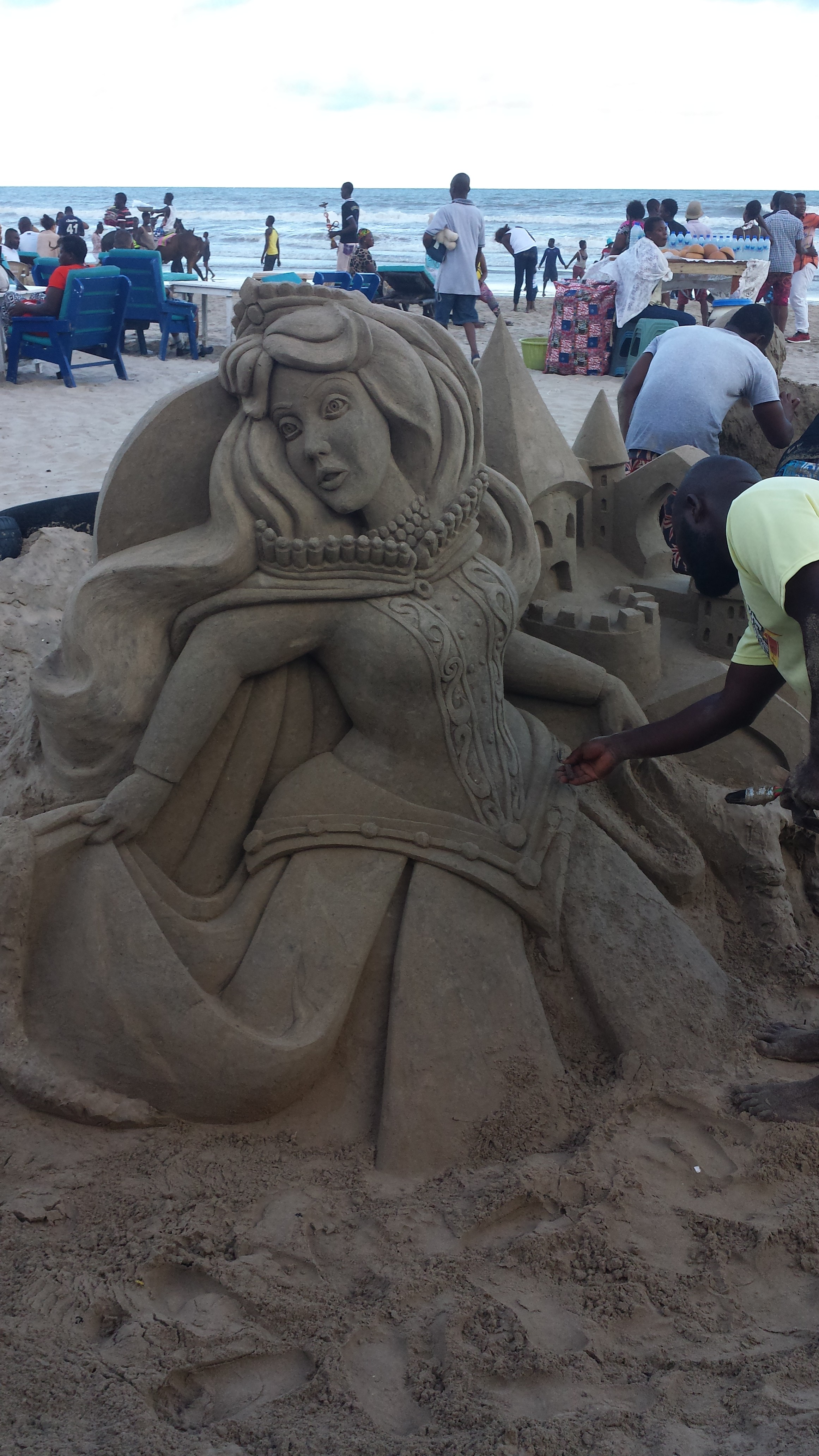
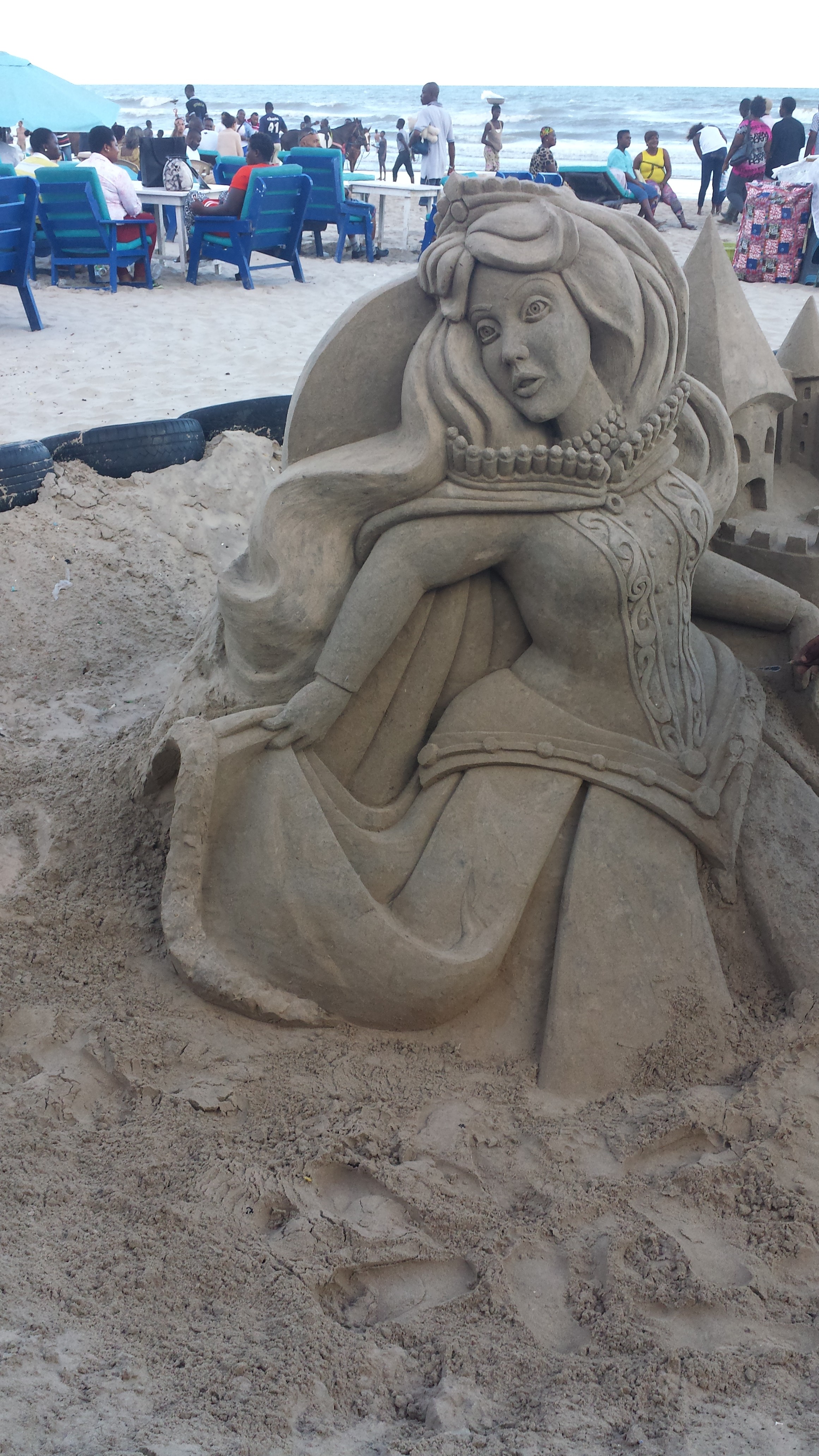
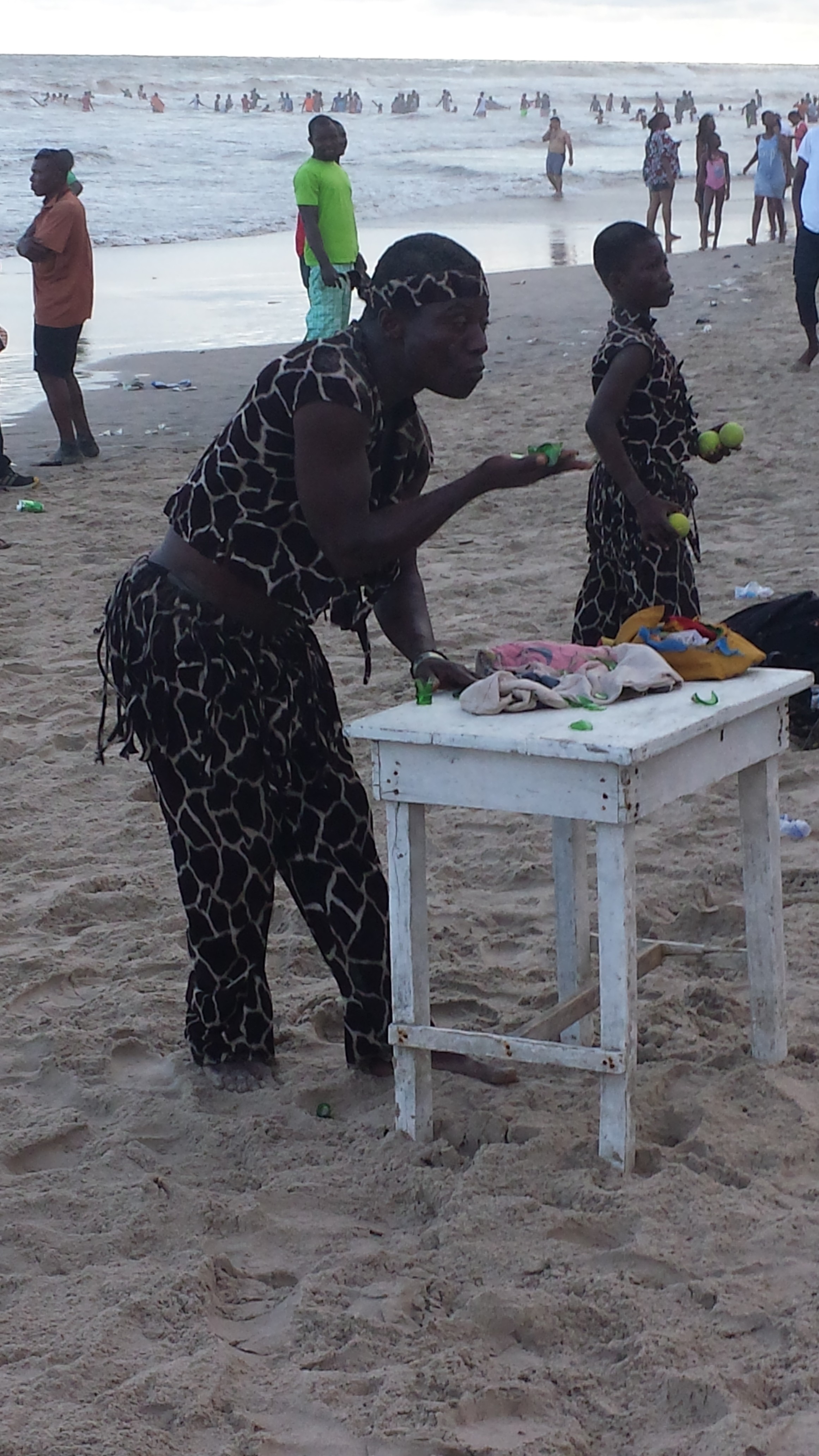
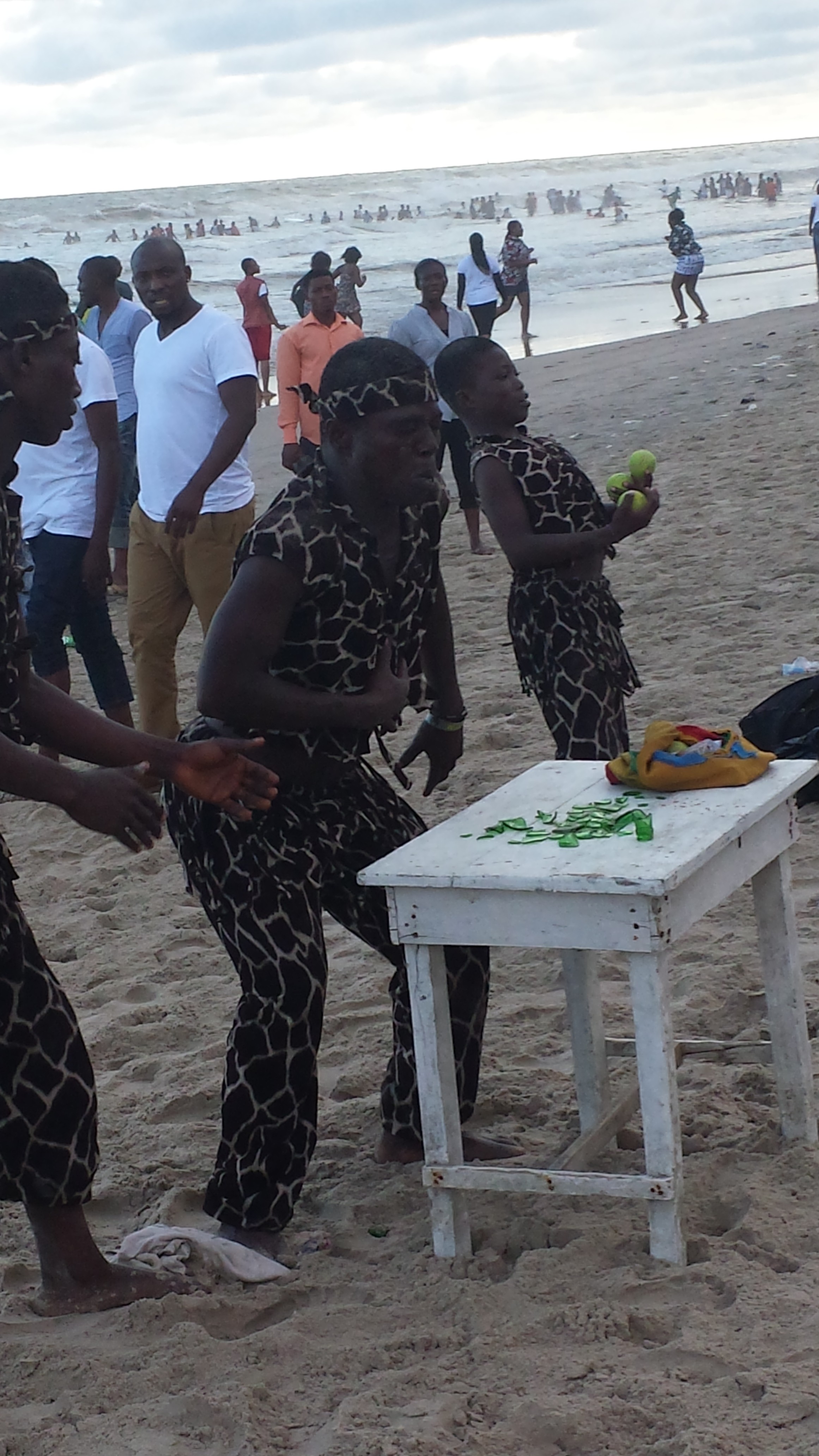
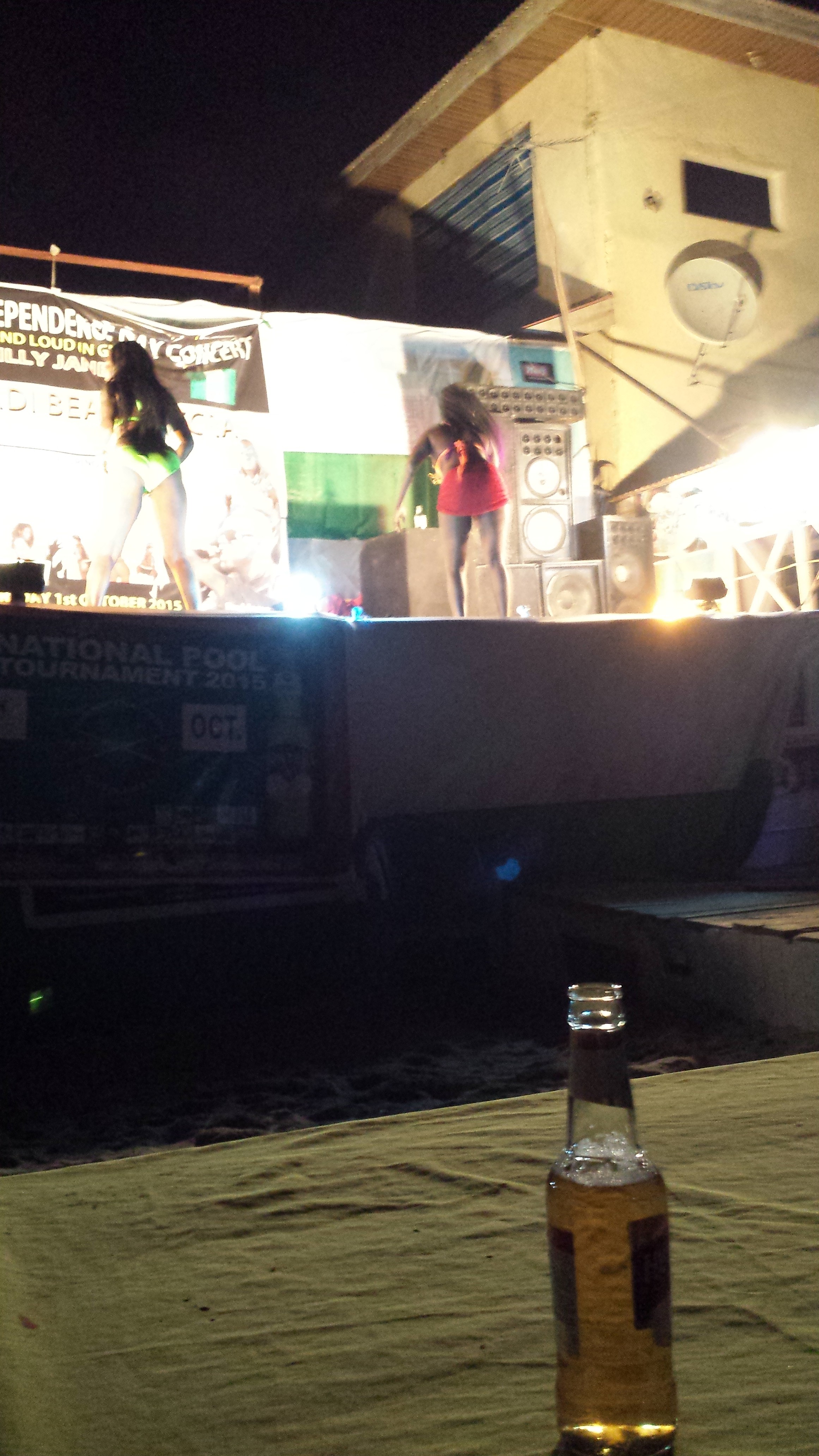
Visiting Labadi beach, Accra, Ghana

Okay so I have been on business trip since the last 4 months. My journey took me to 3 continents and 8 countries.

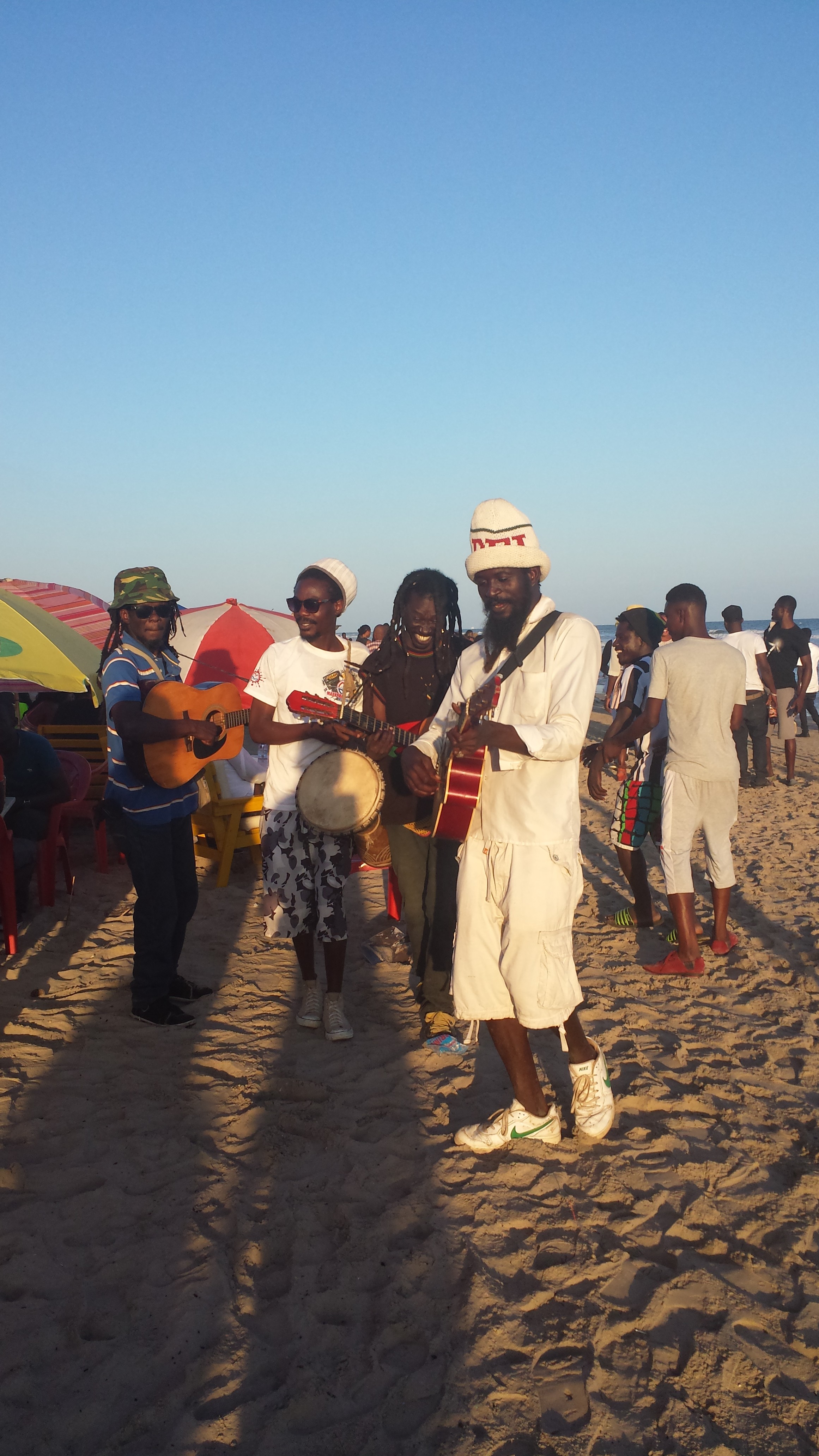
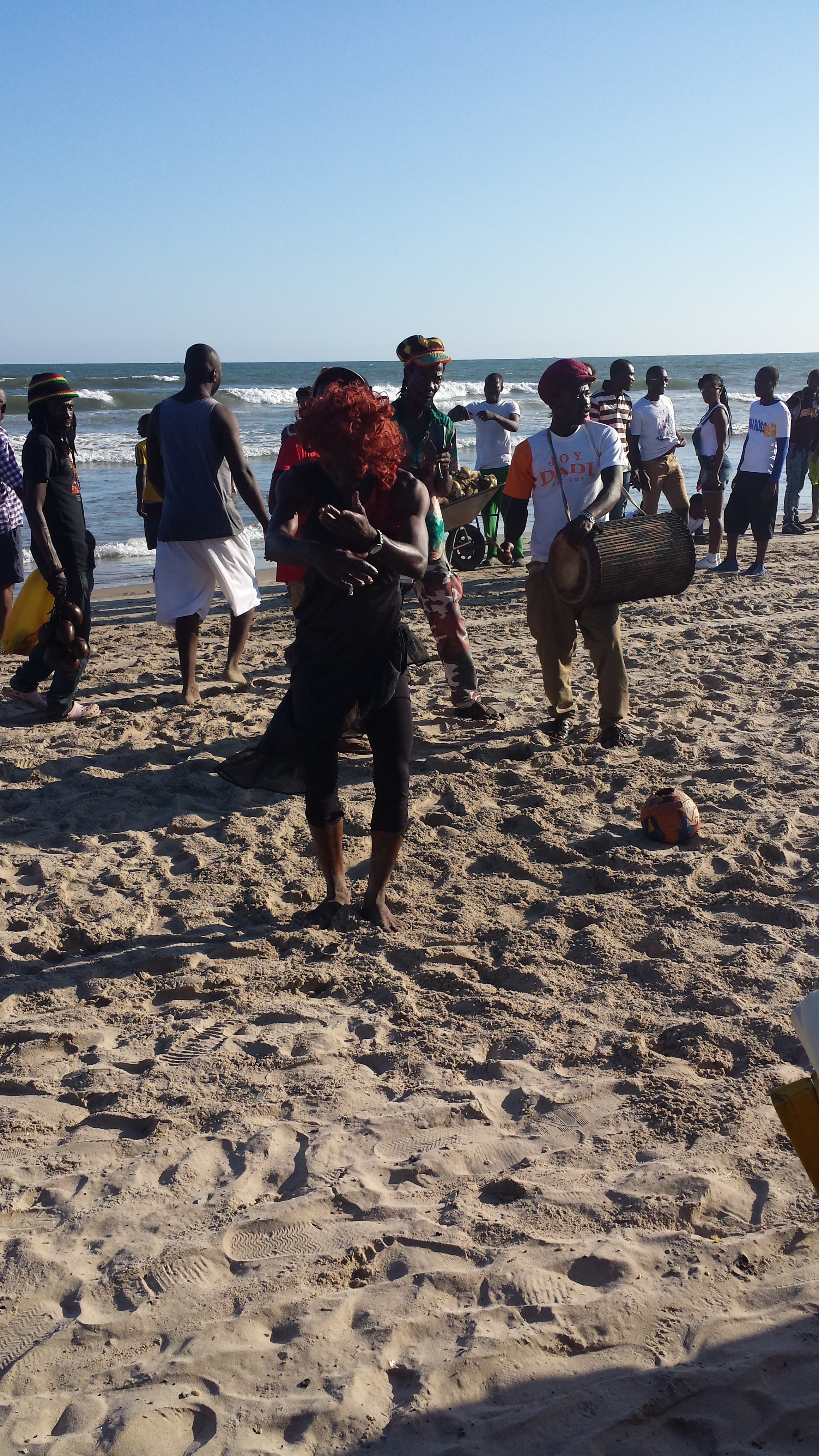
So I’m in Accra, Ghanas capital. All work and no play, they say makes jack a dull boy. So my Ghanian friends took me out last week Sunday. They wanted to go to the malls  but i told them I prefer going to the beach, I love the sea even though i need to improve my swimming skills lol.

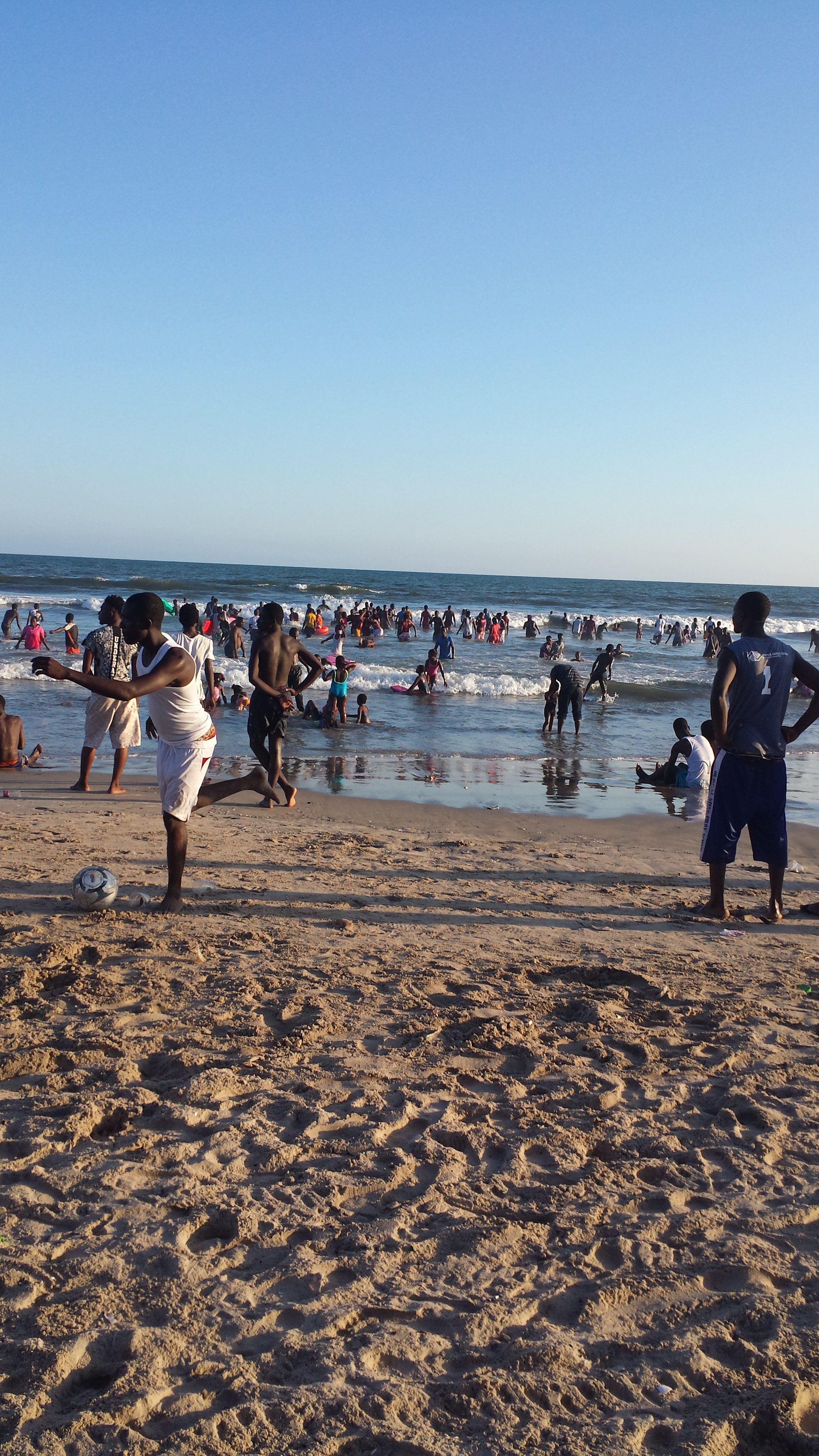
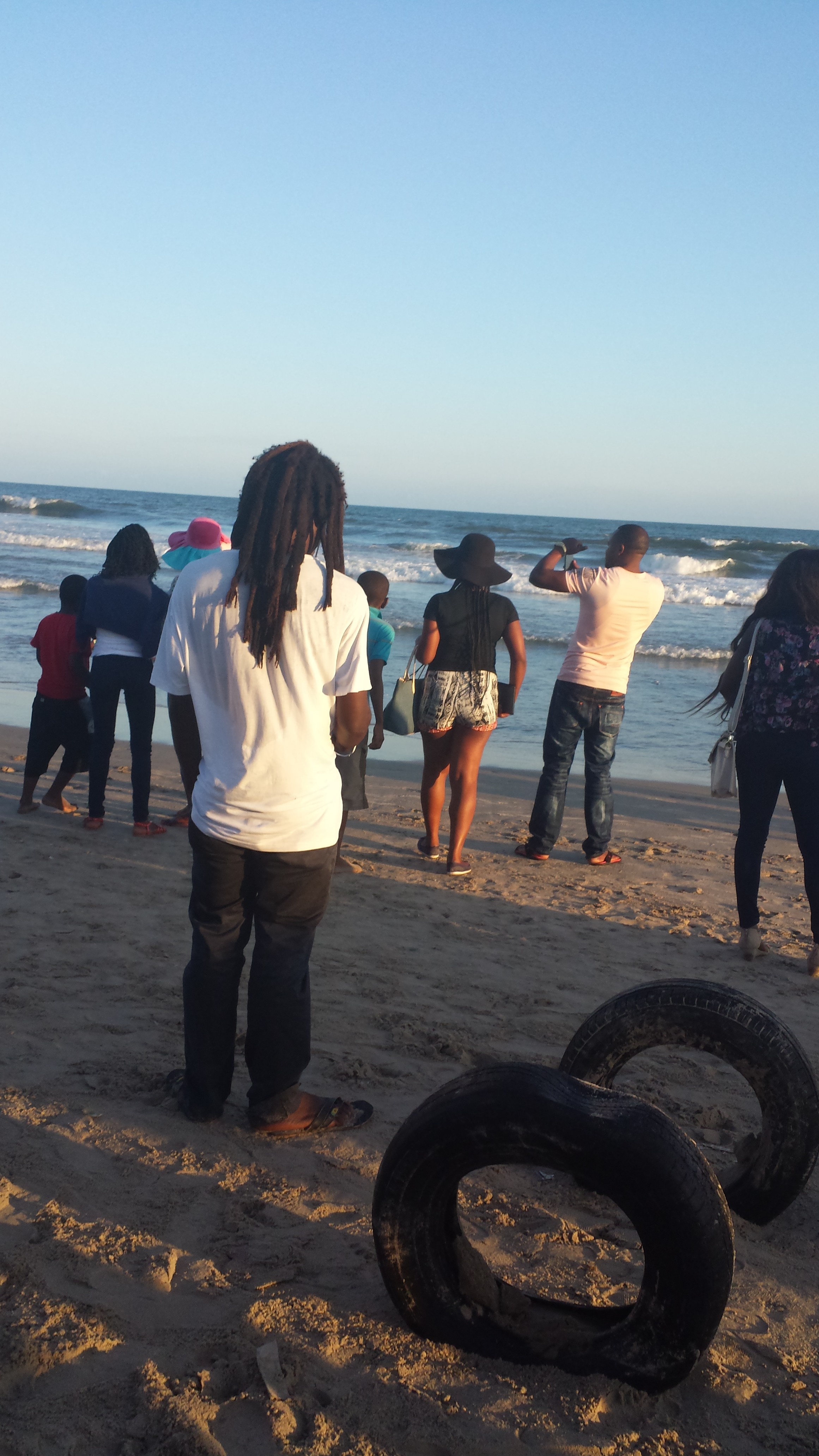
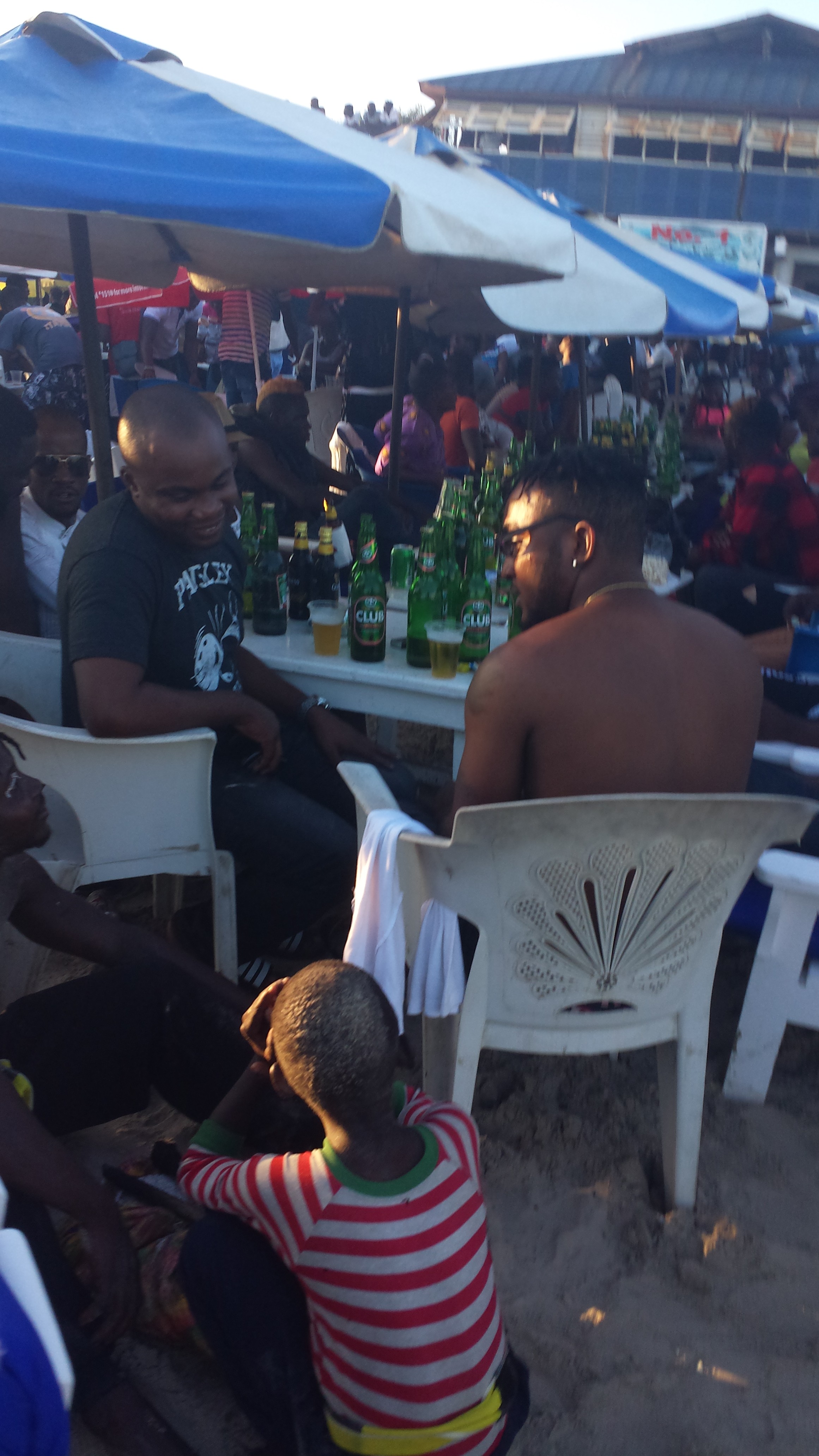
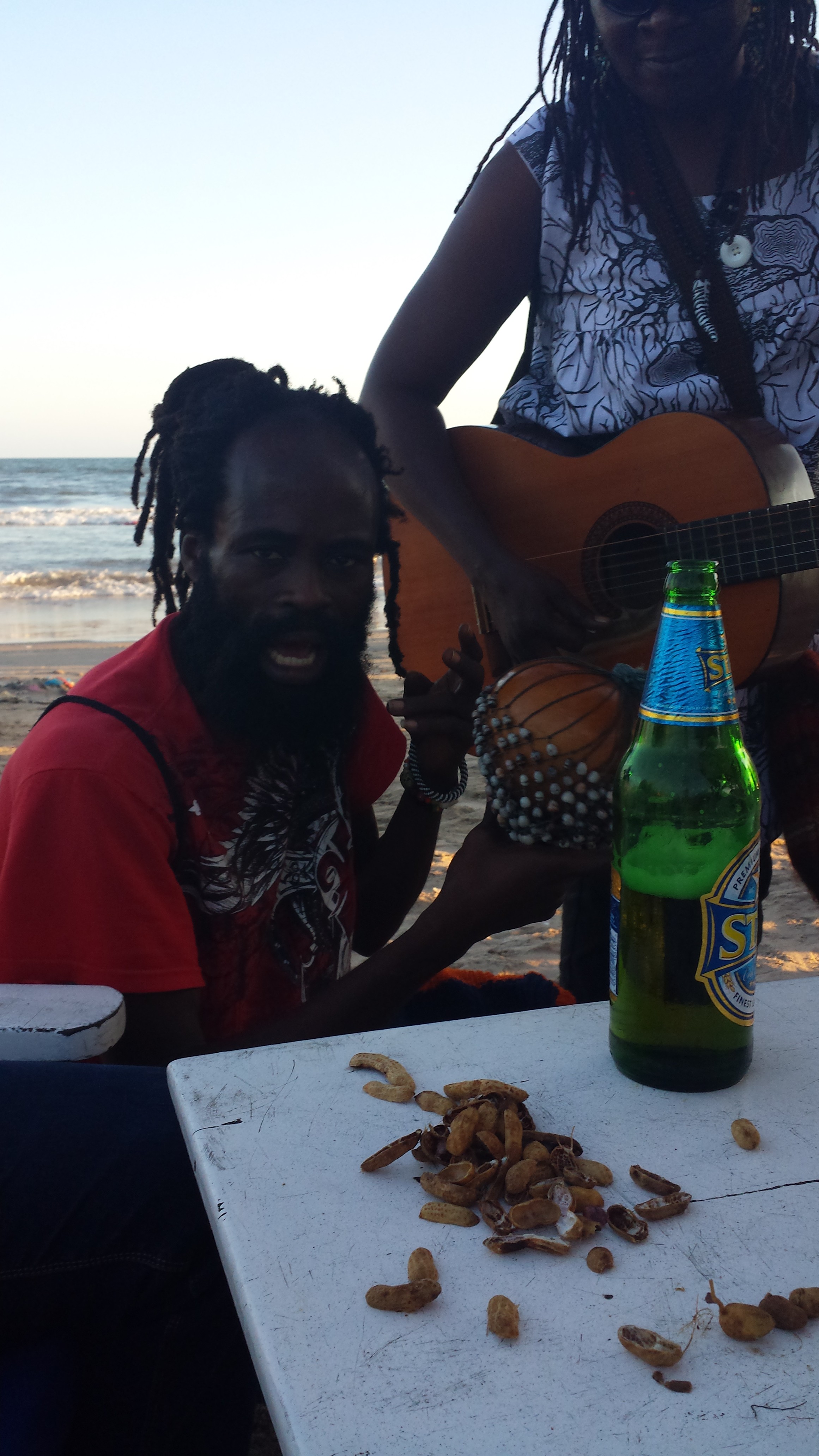
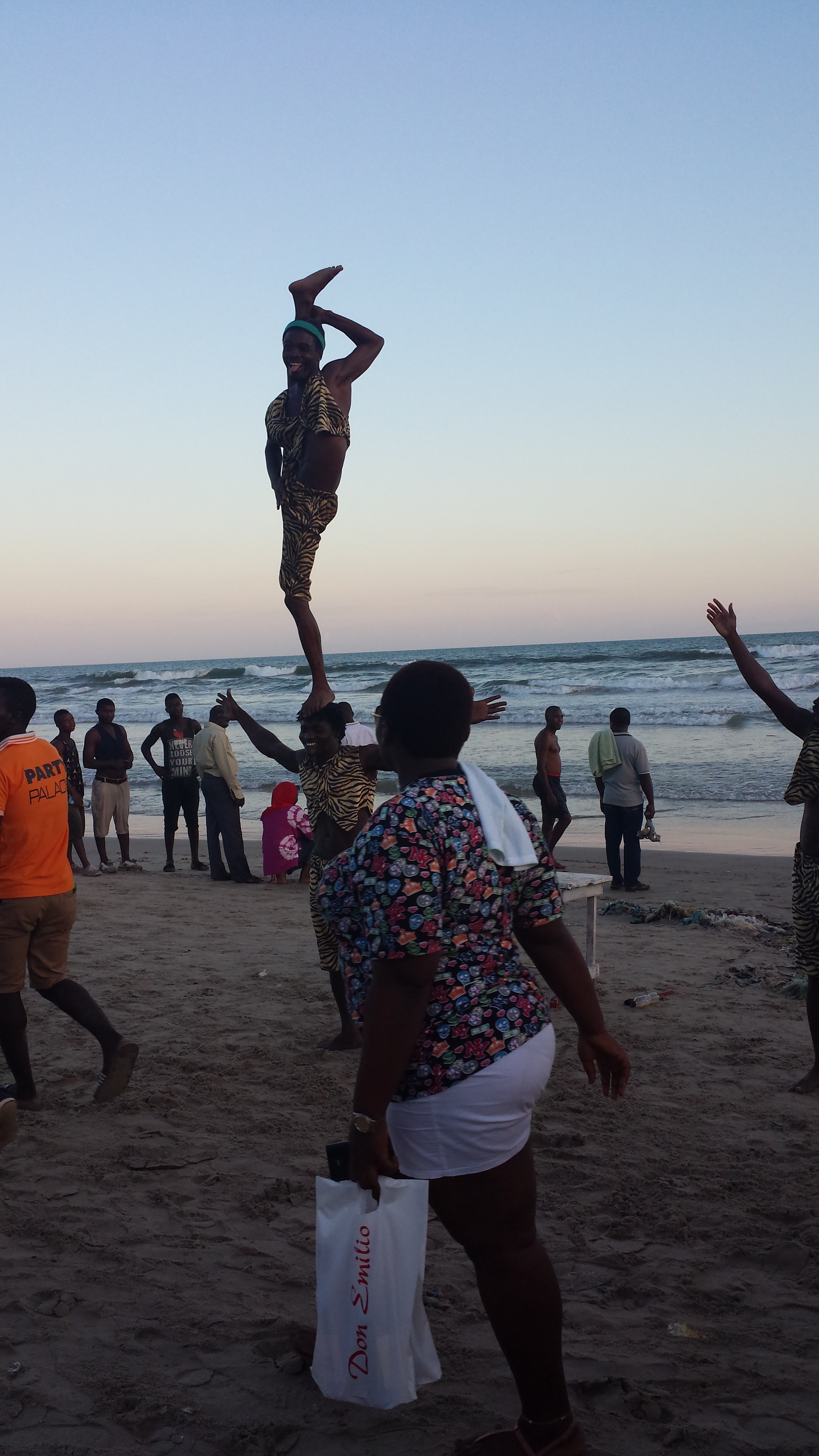
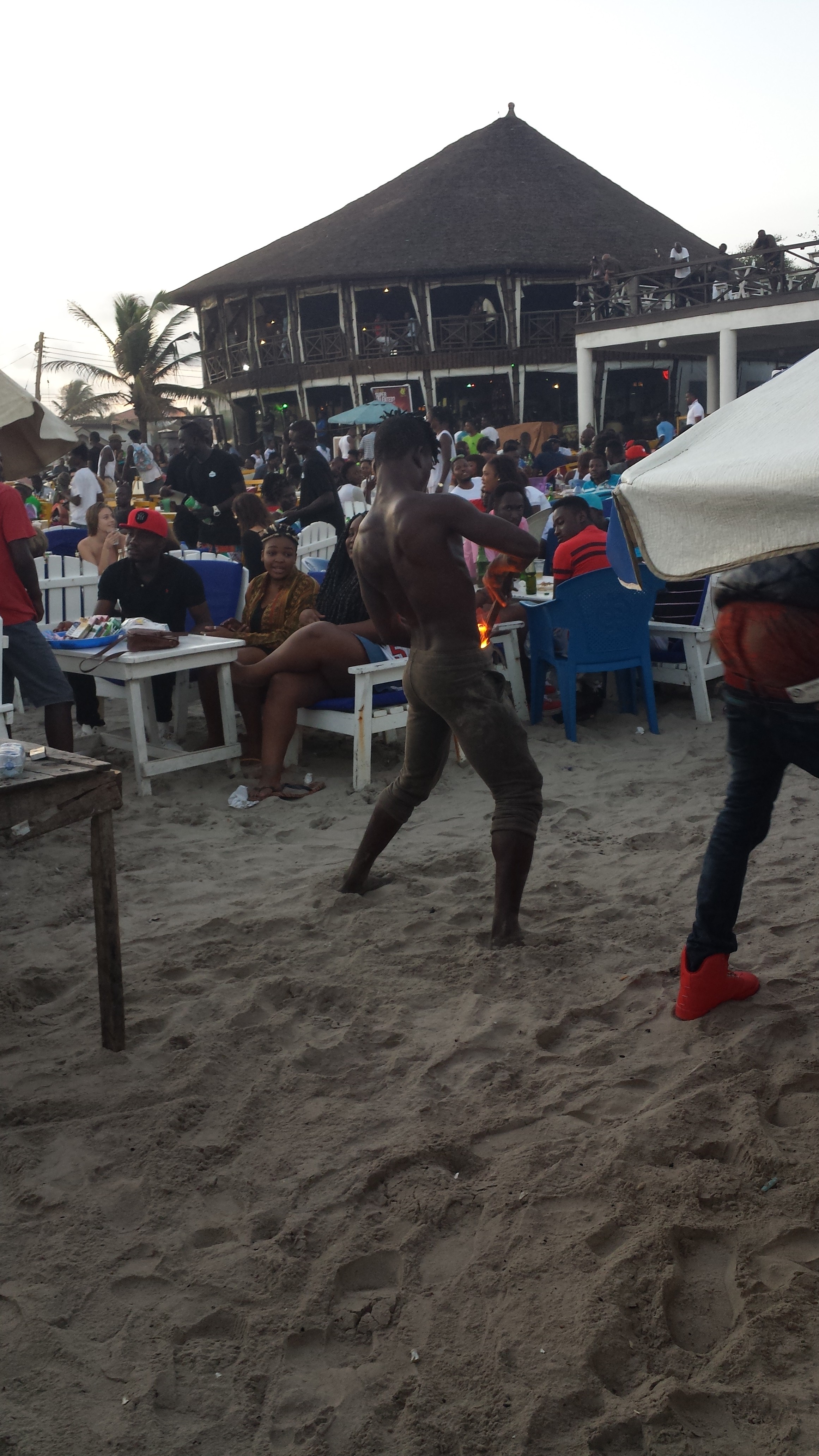
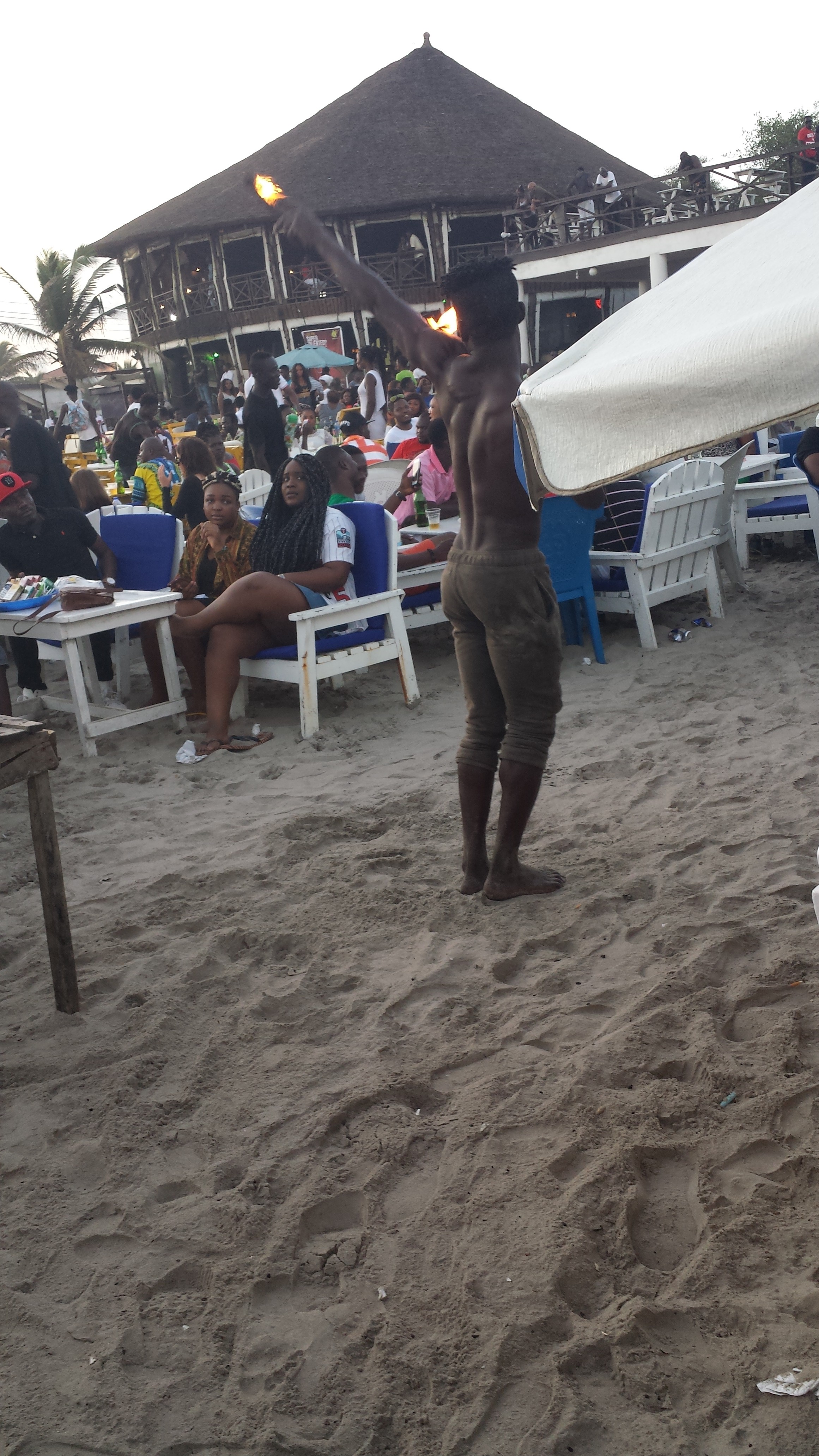
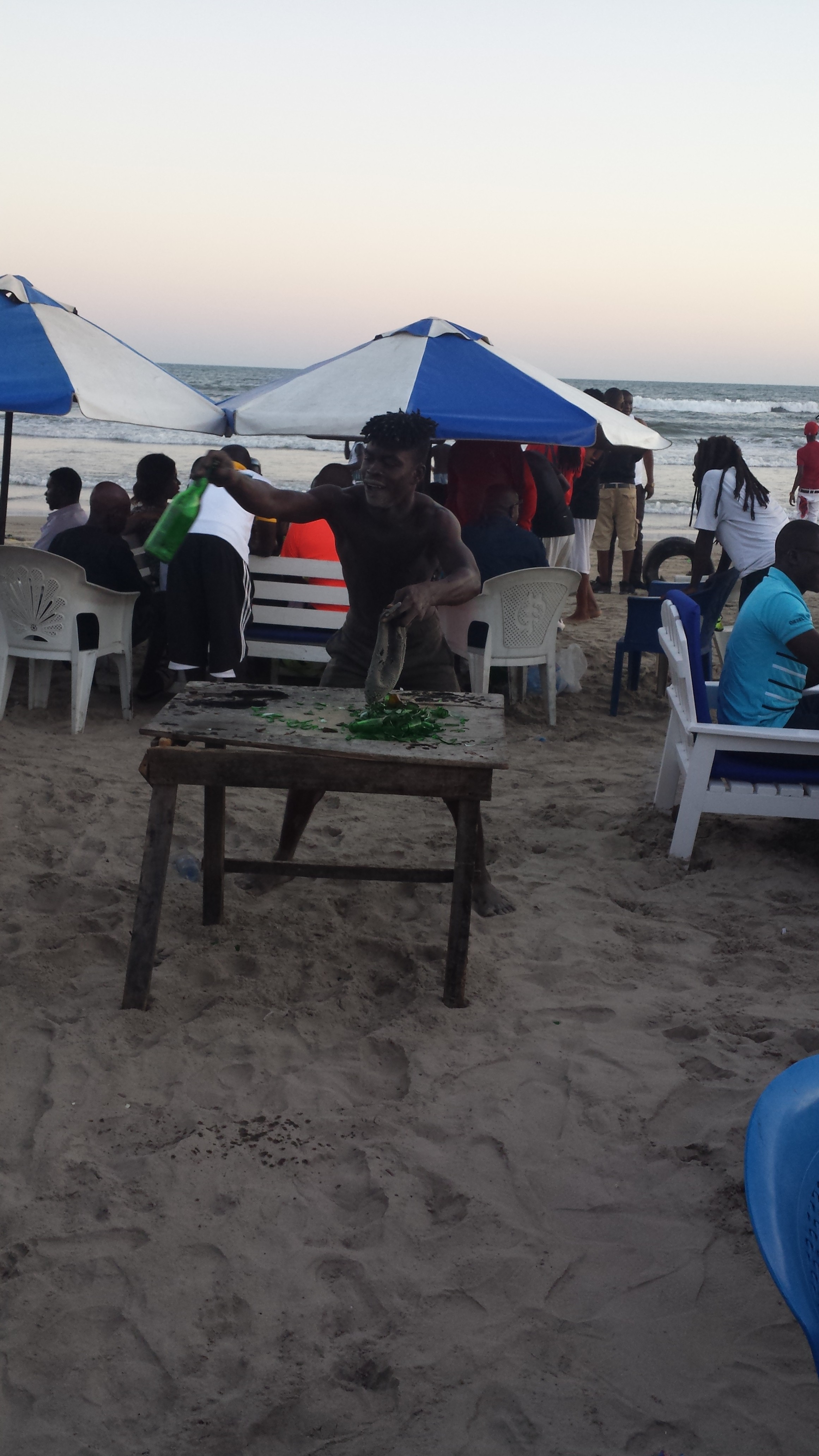
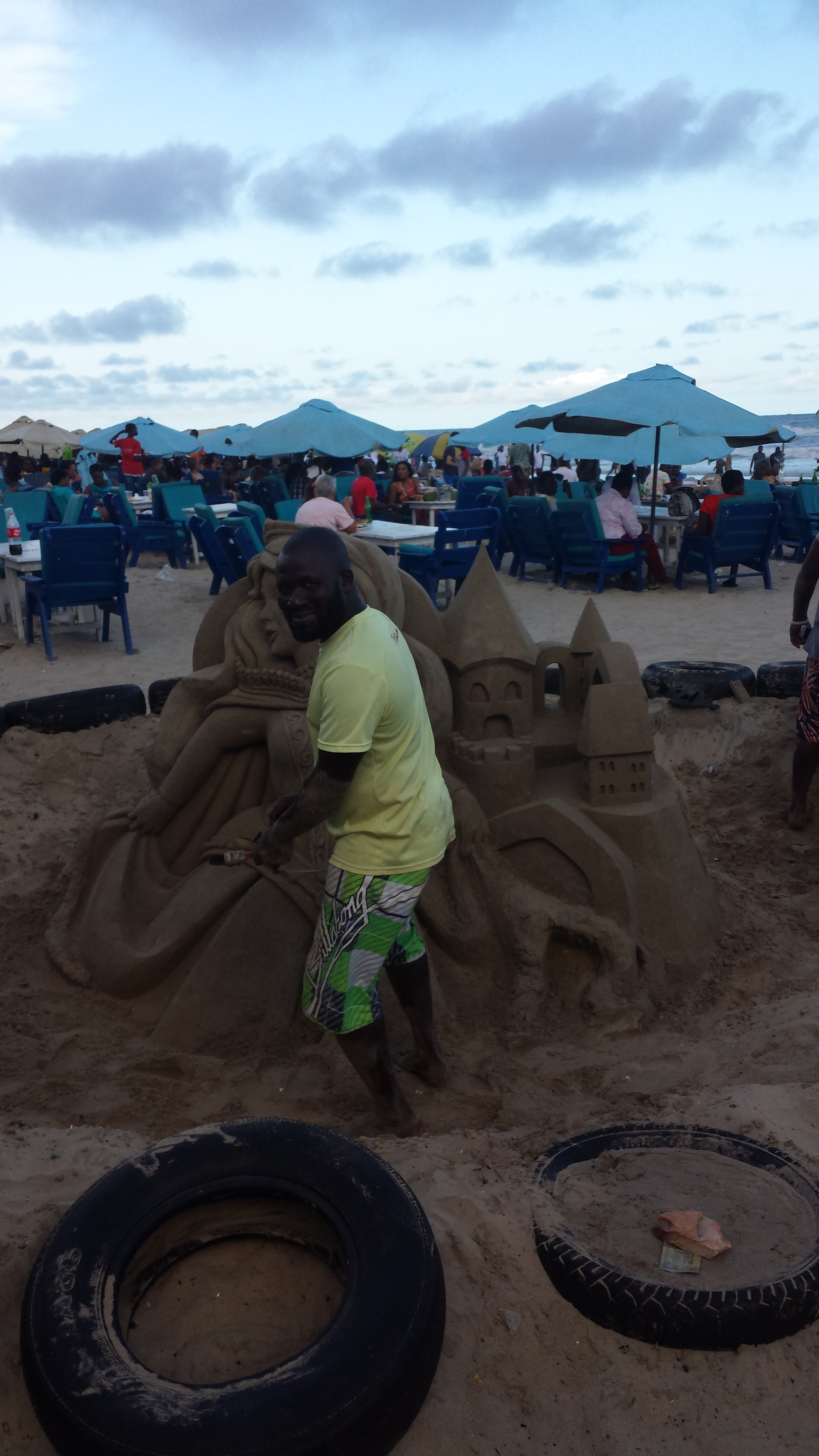
So I went to Labadi beach again today, it is one of the biggest beaches in Ghana. There are other nice beaches in Ghana but I think Labadi is the most popular.

Labadi Beach or more properly known as La Pleasure Beach is the busiest beach on Ghana’s coast. It is one of Accra’s beautiful beaches and is maintained by the local hotels. Labadi Beach is near Teshie in the Greater Accra Region of Ghana.

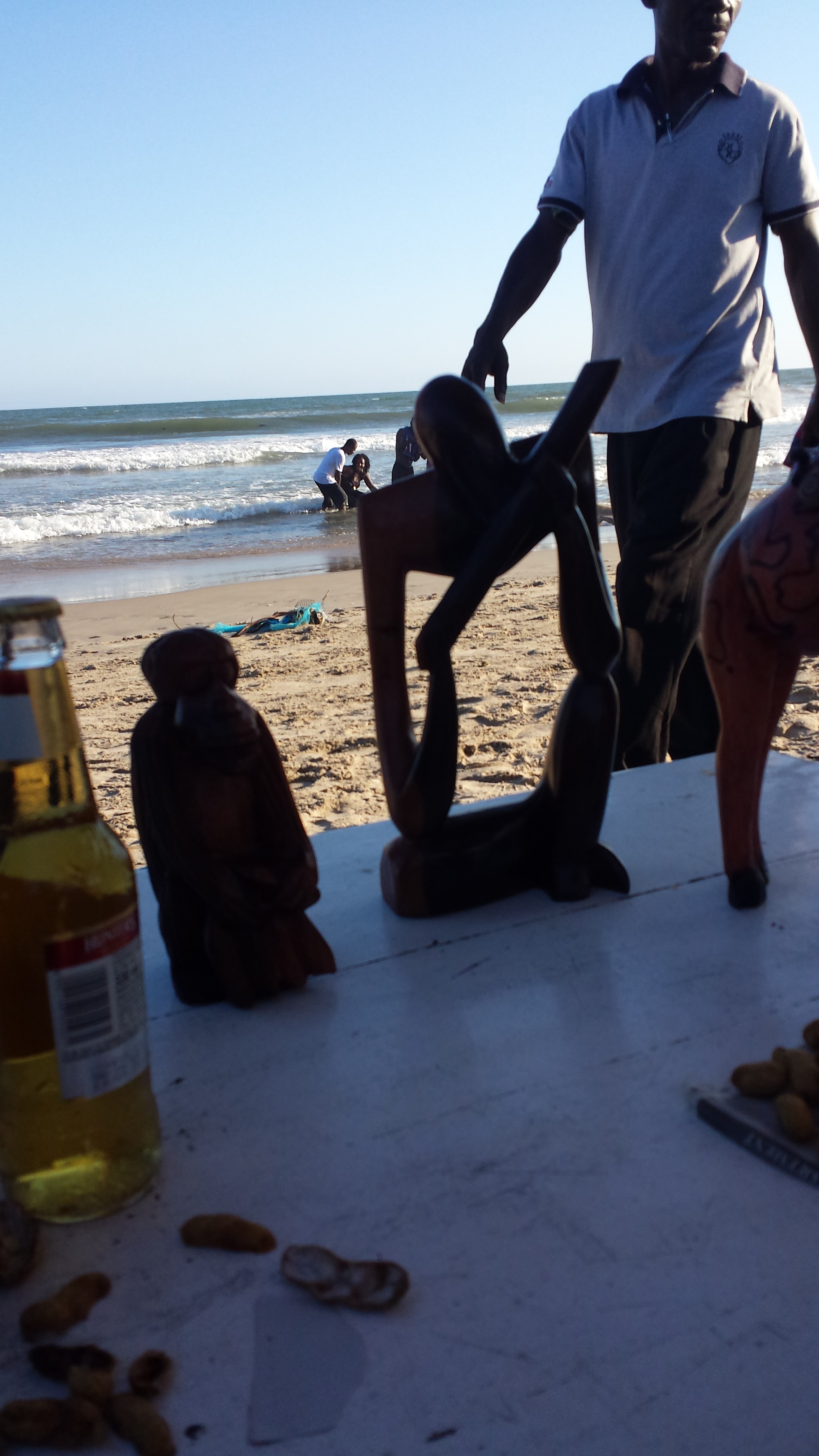
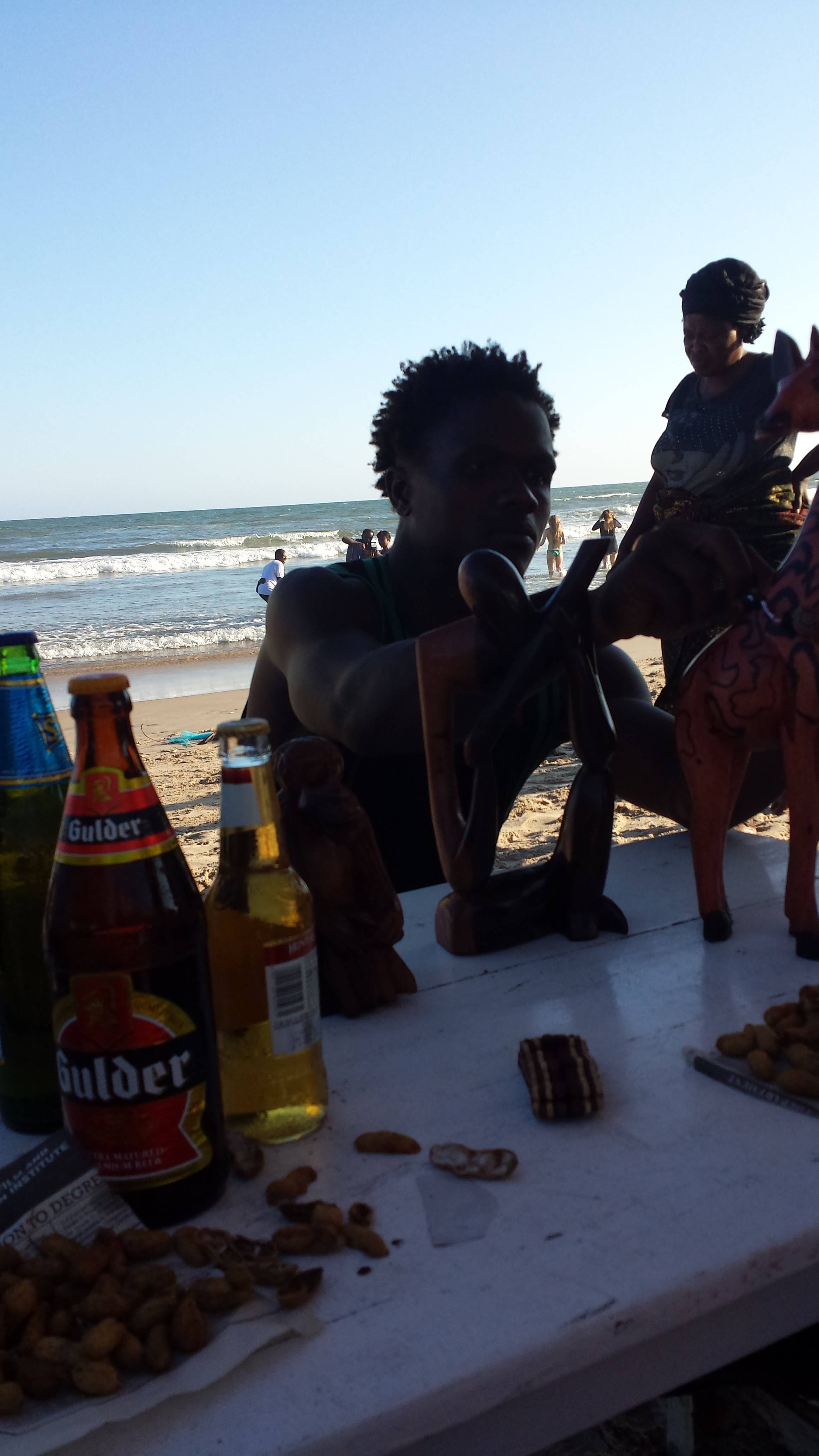
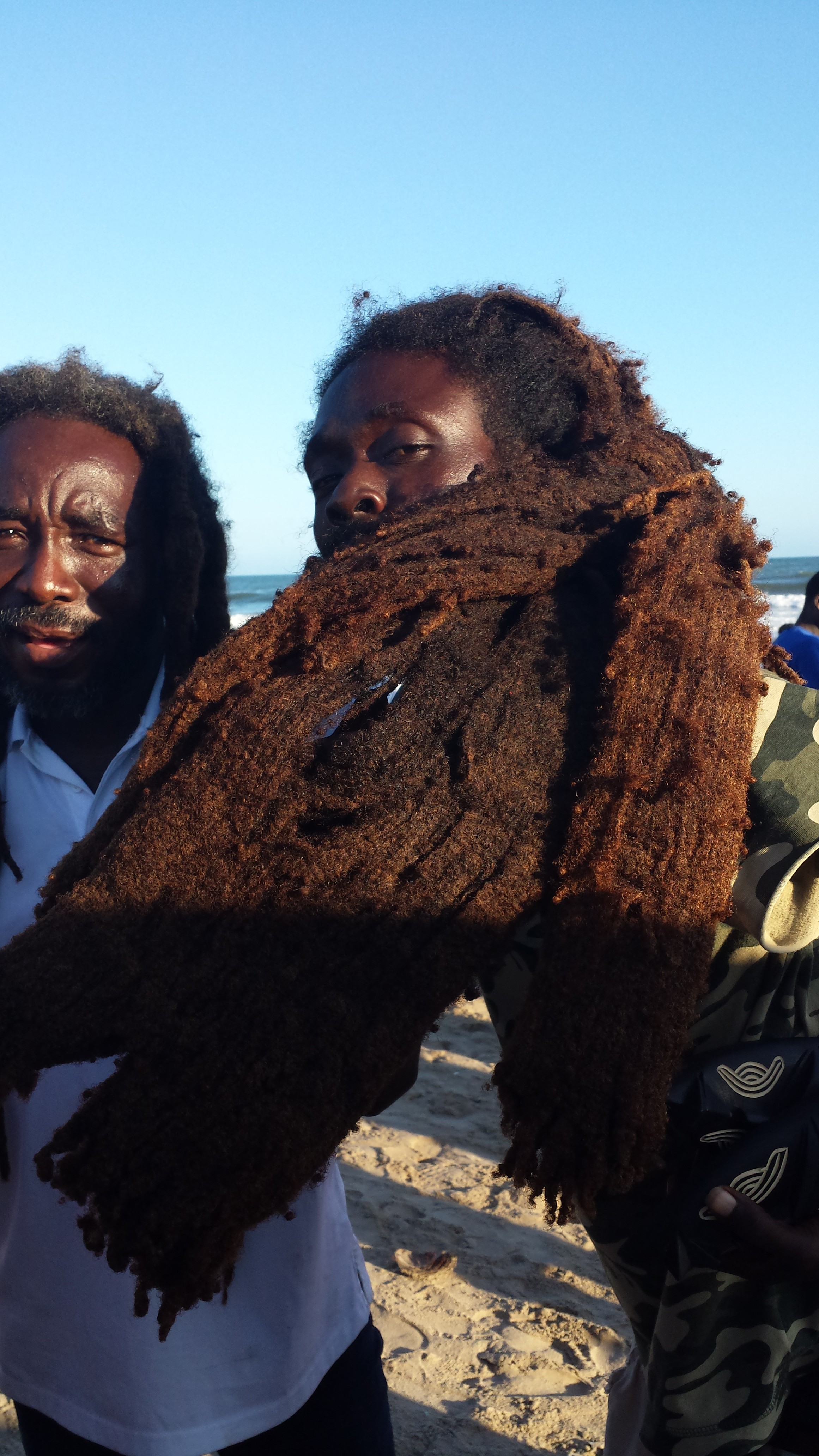
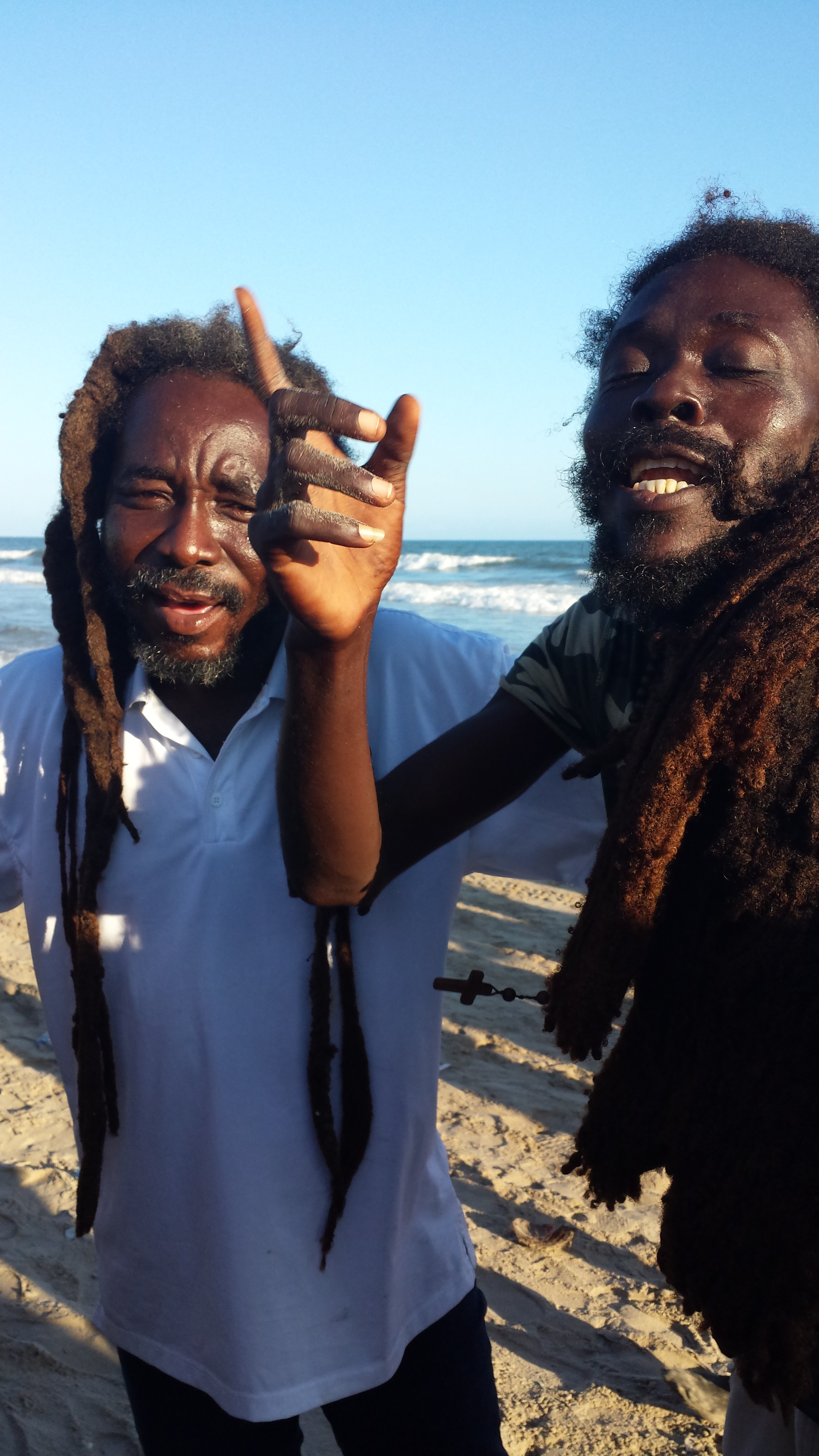
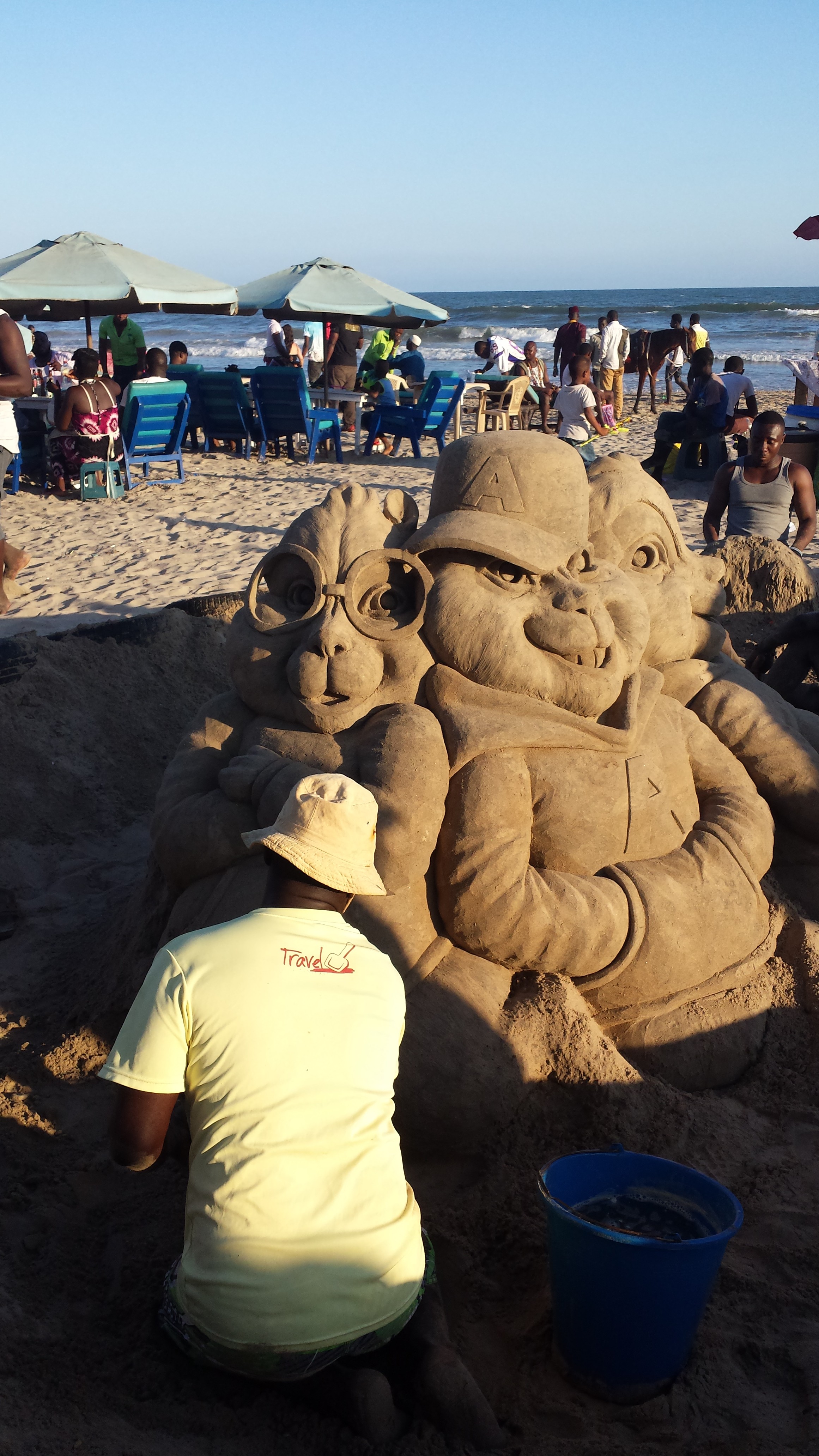
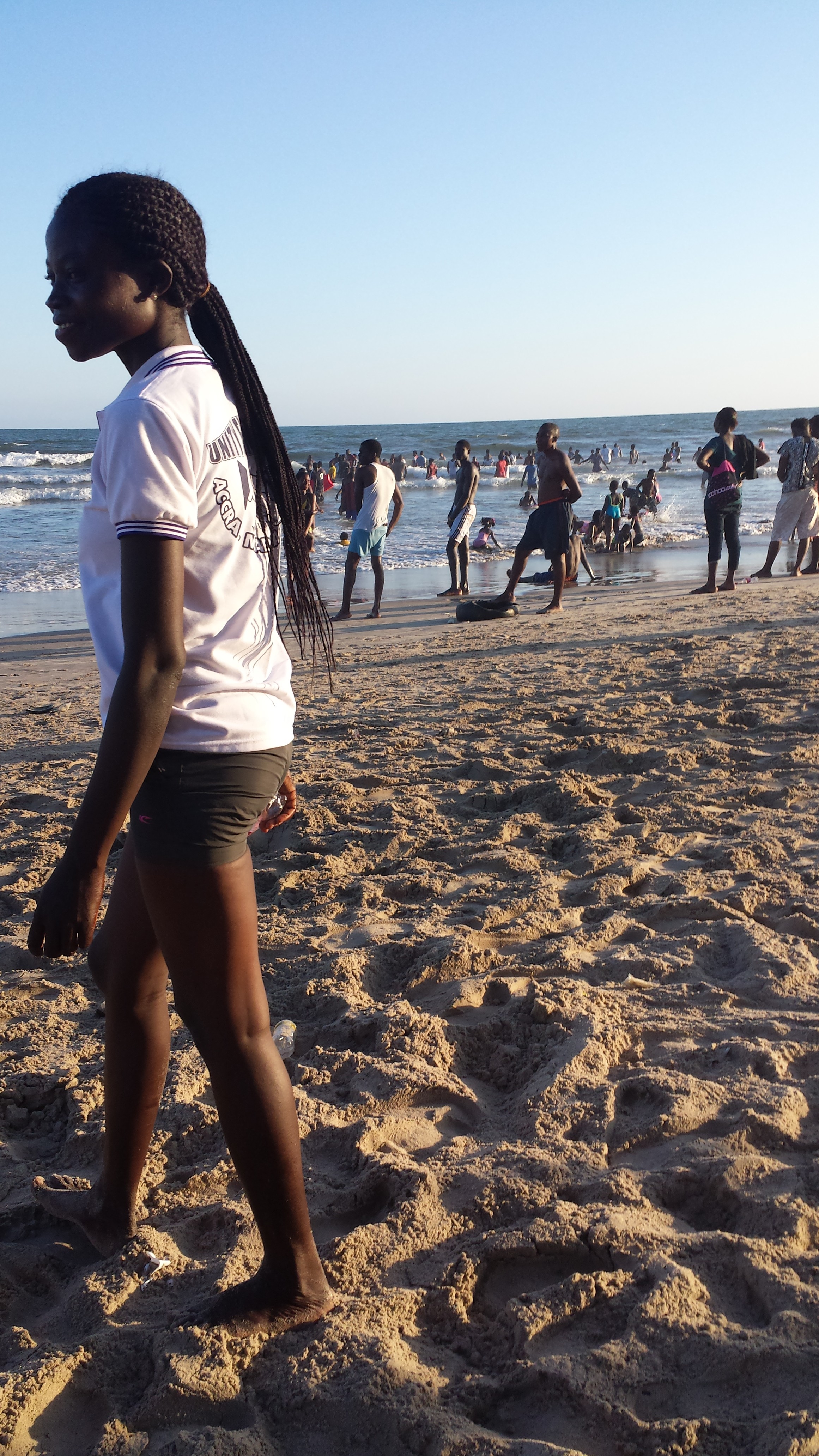
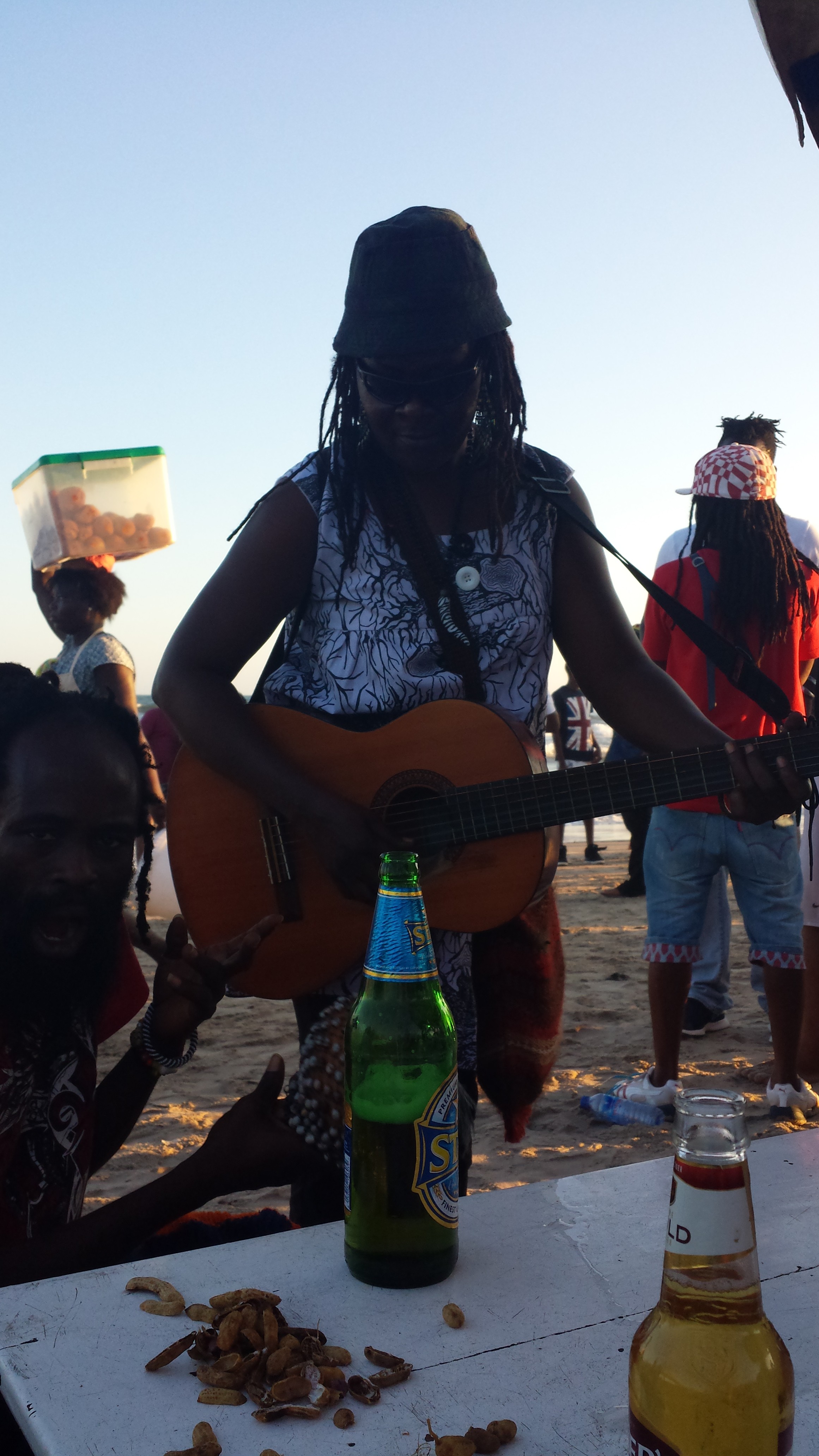
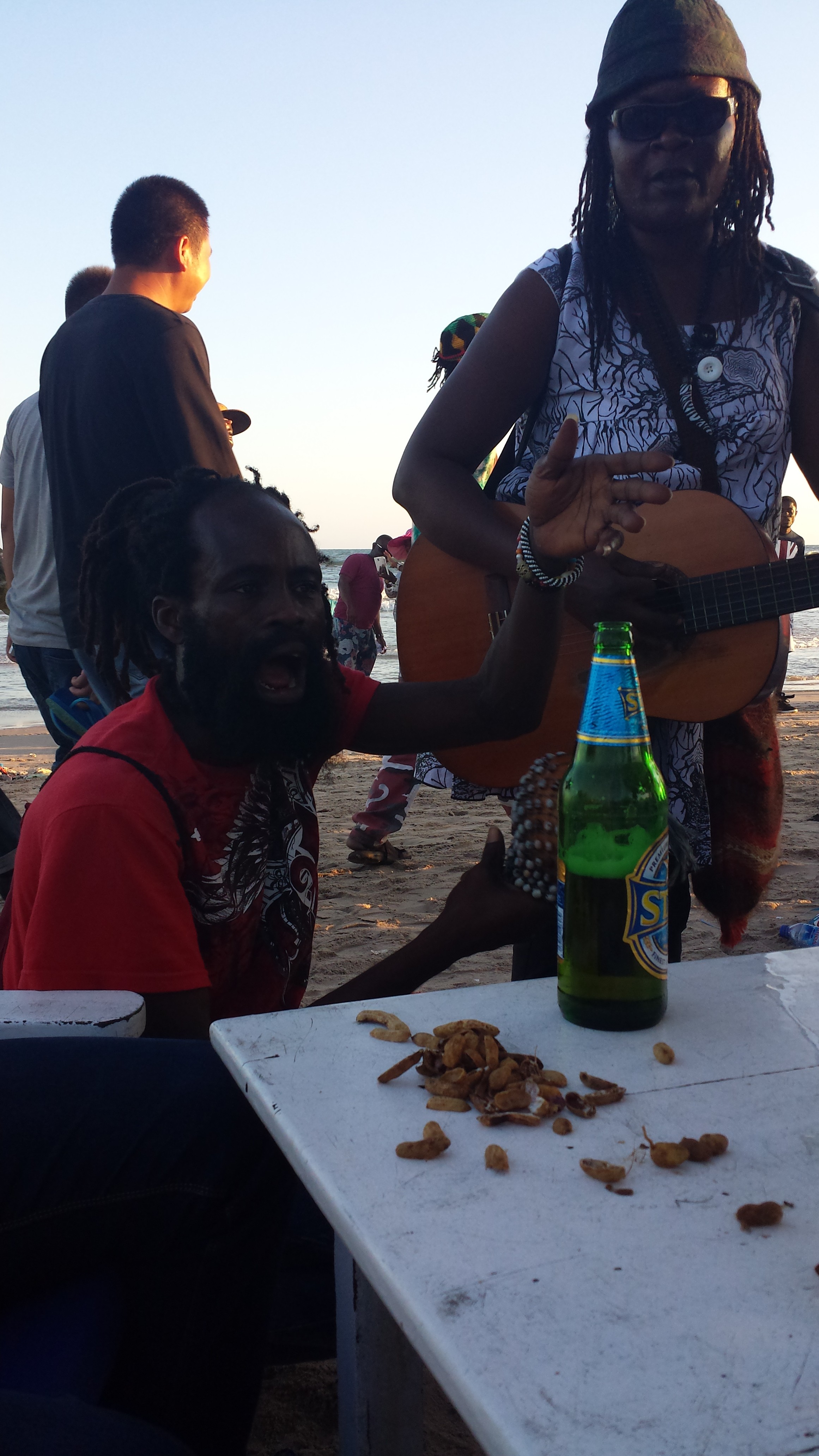
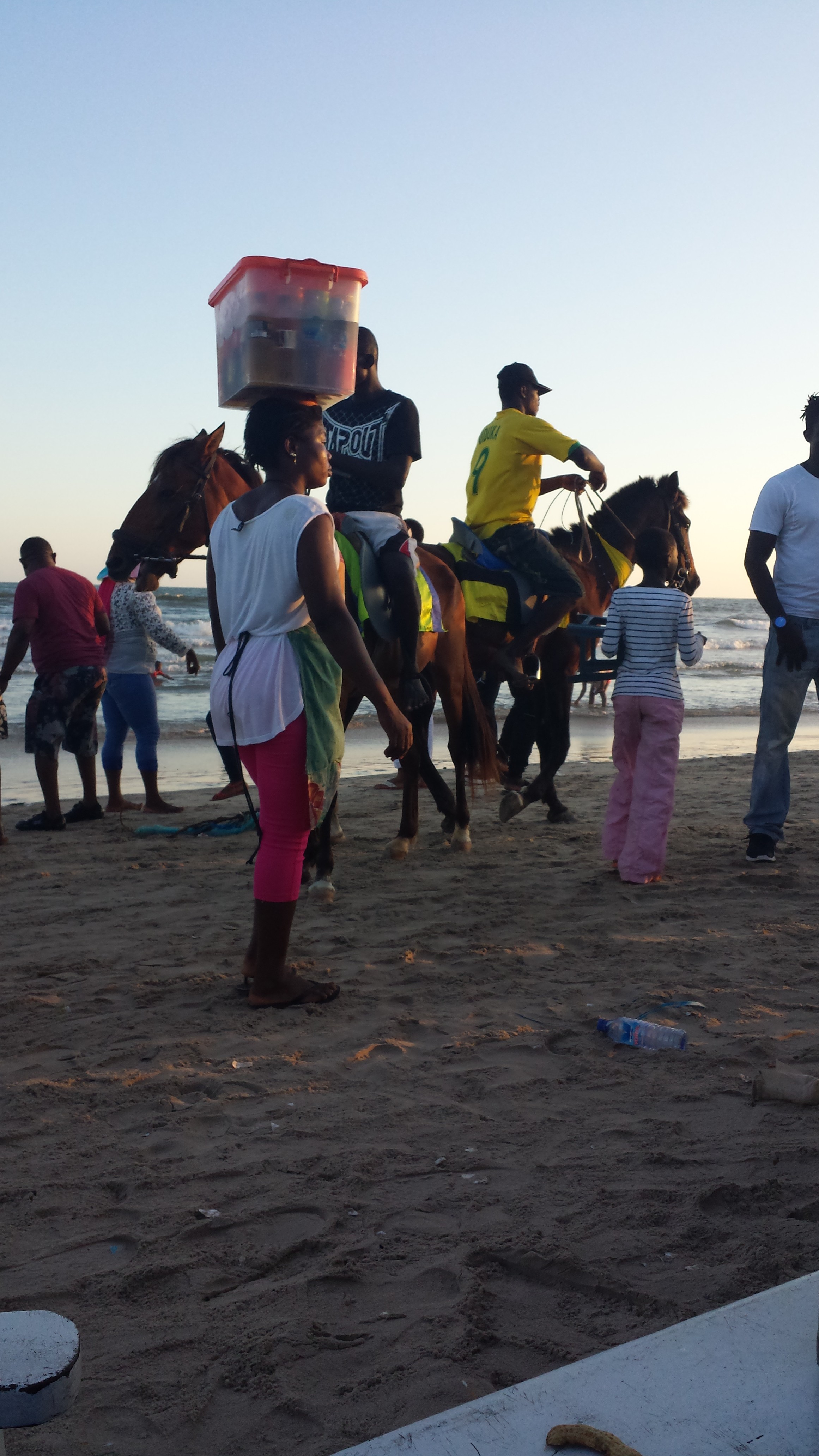
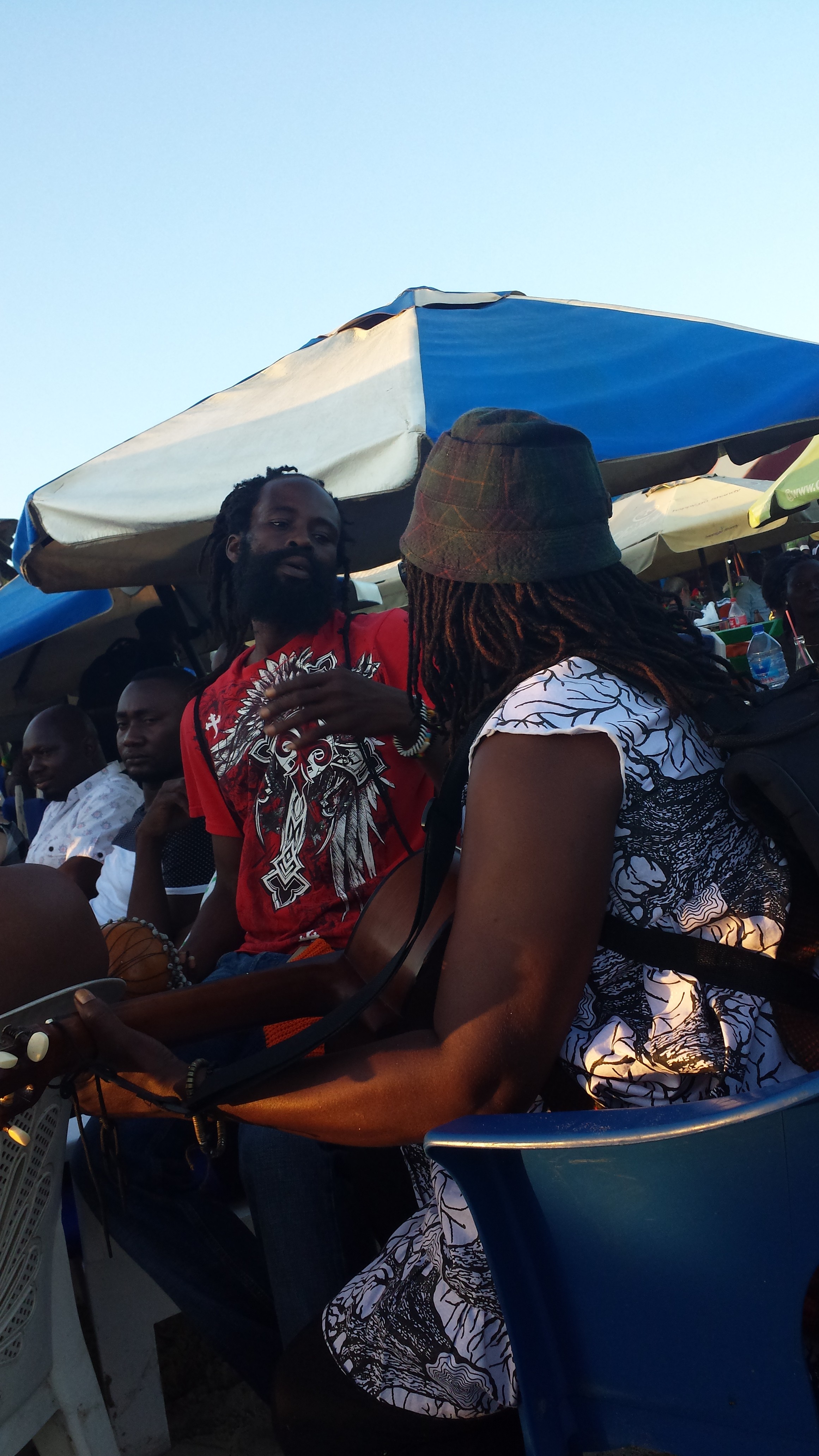
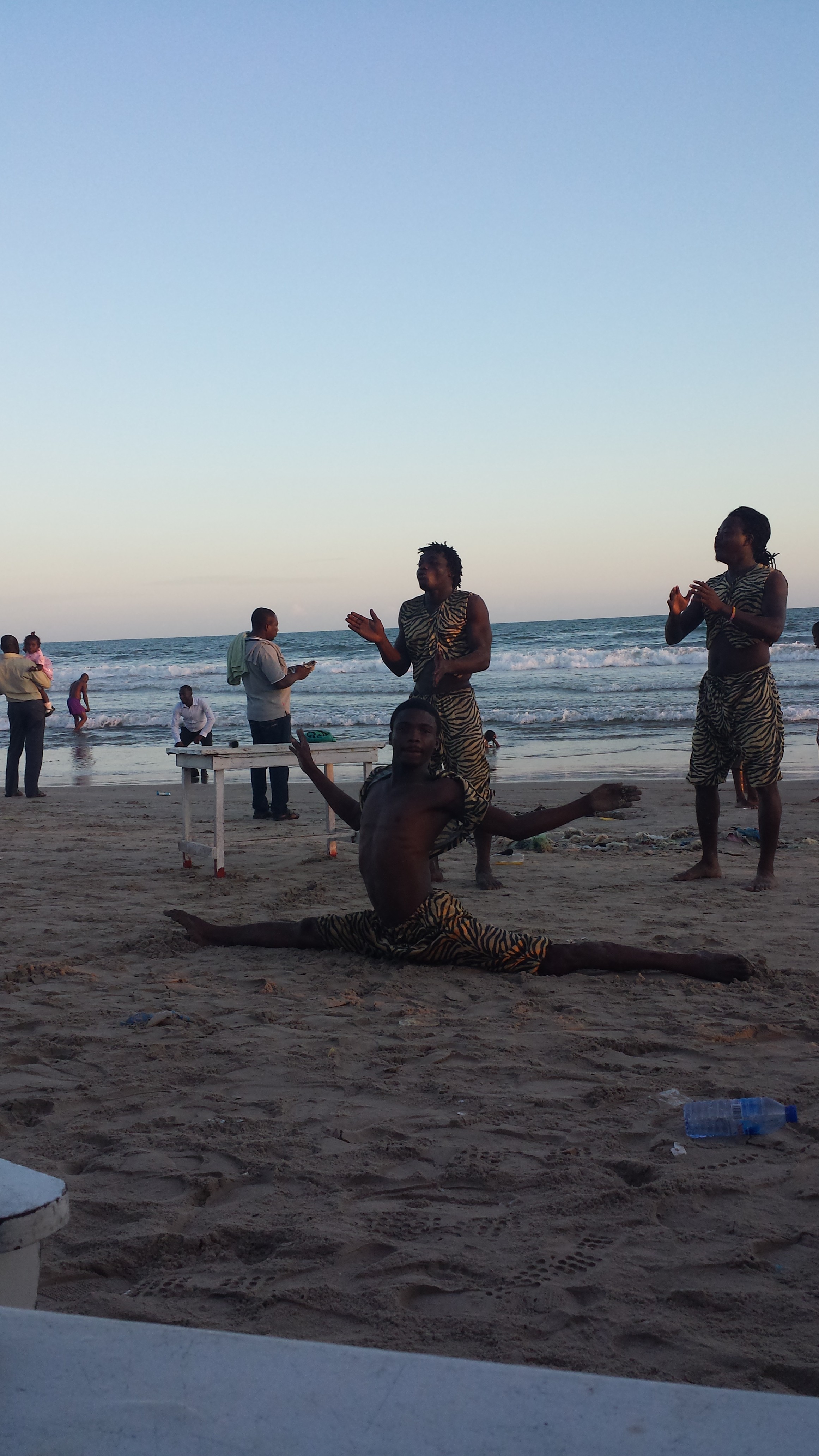
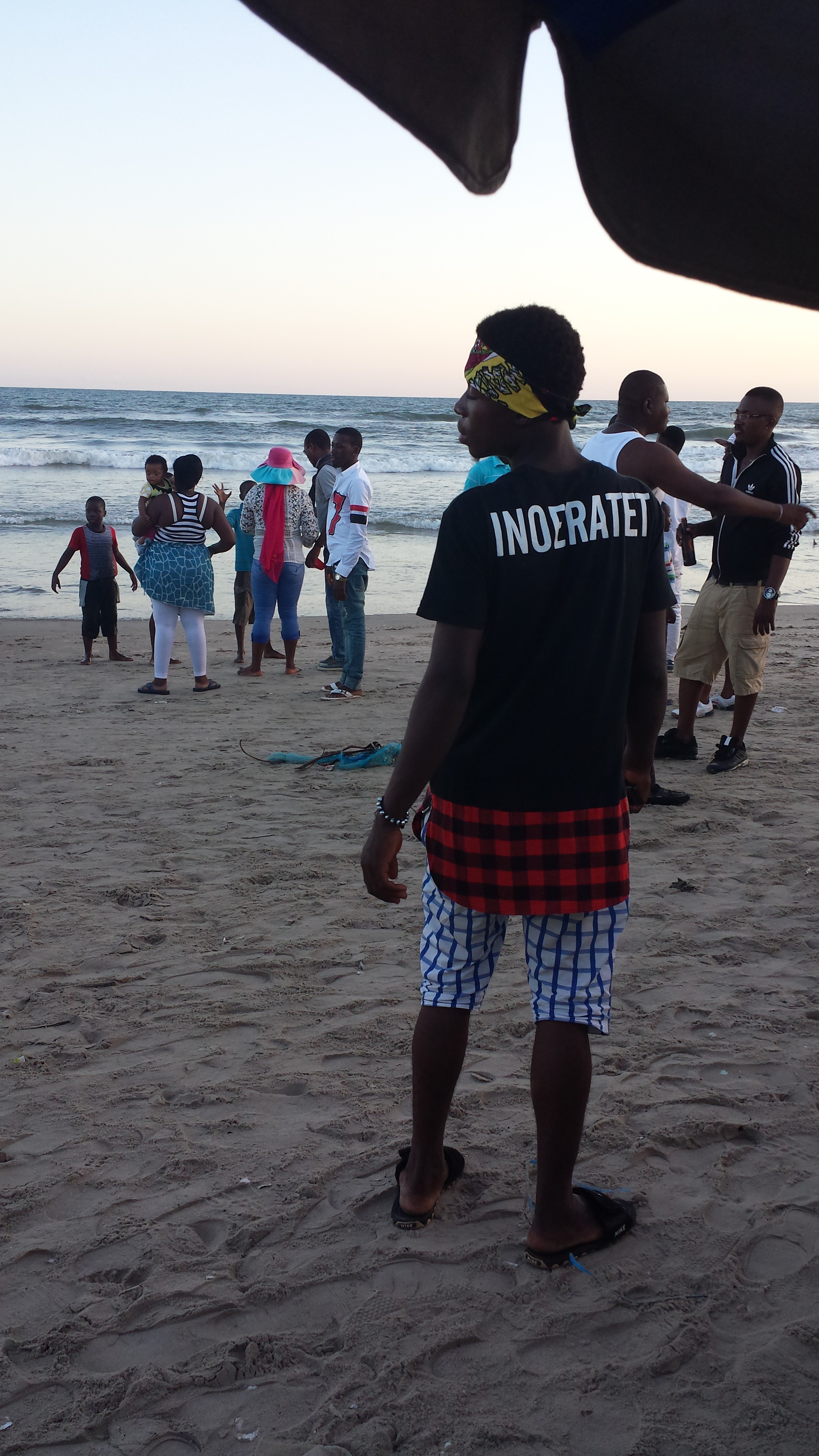
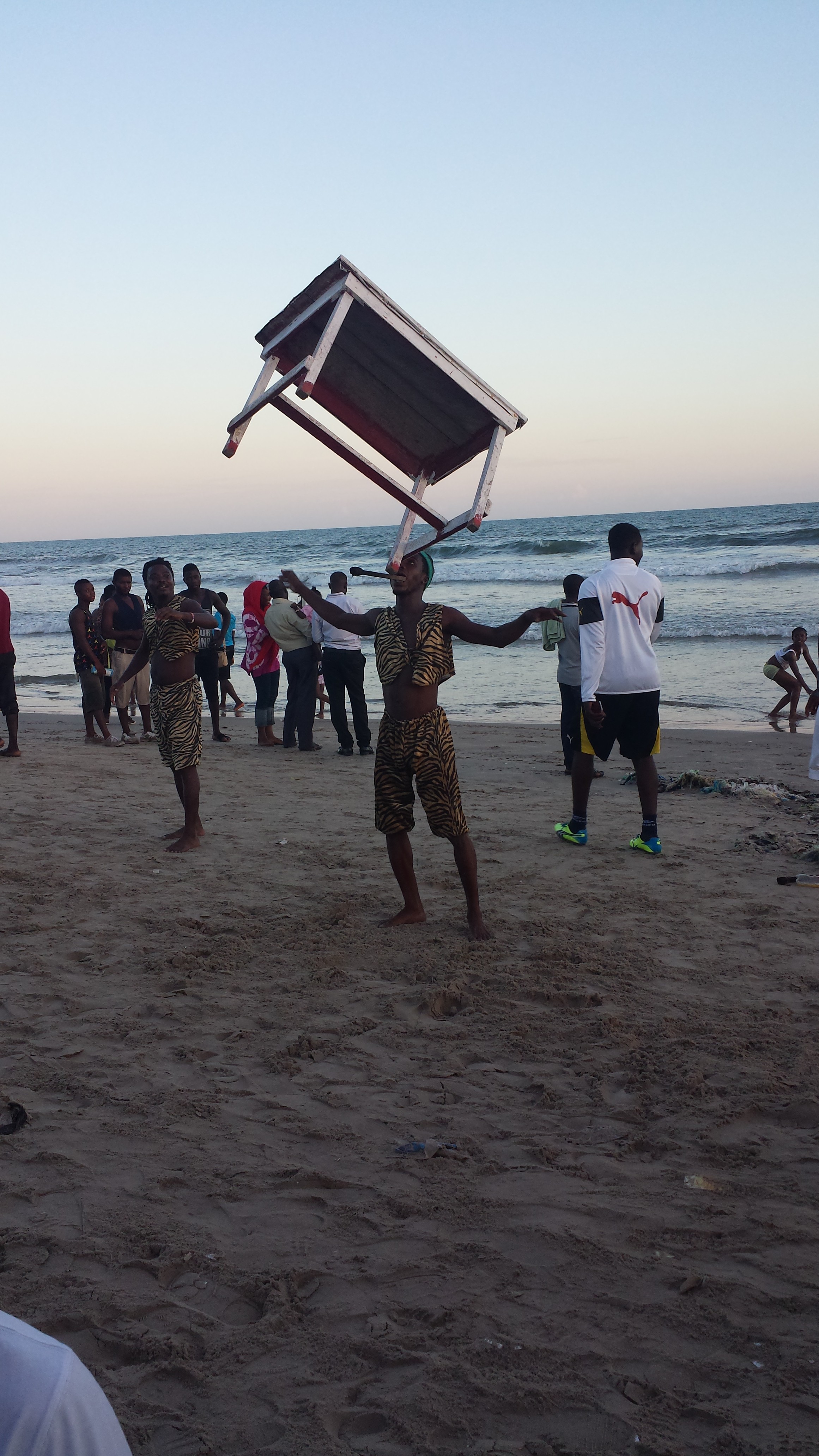
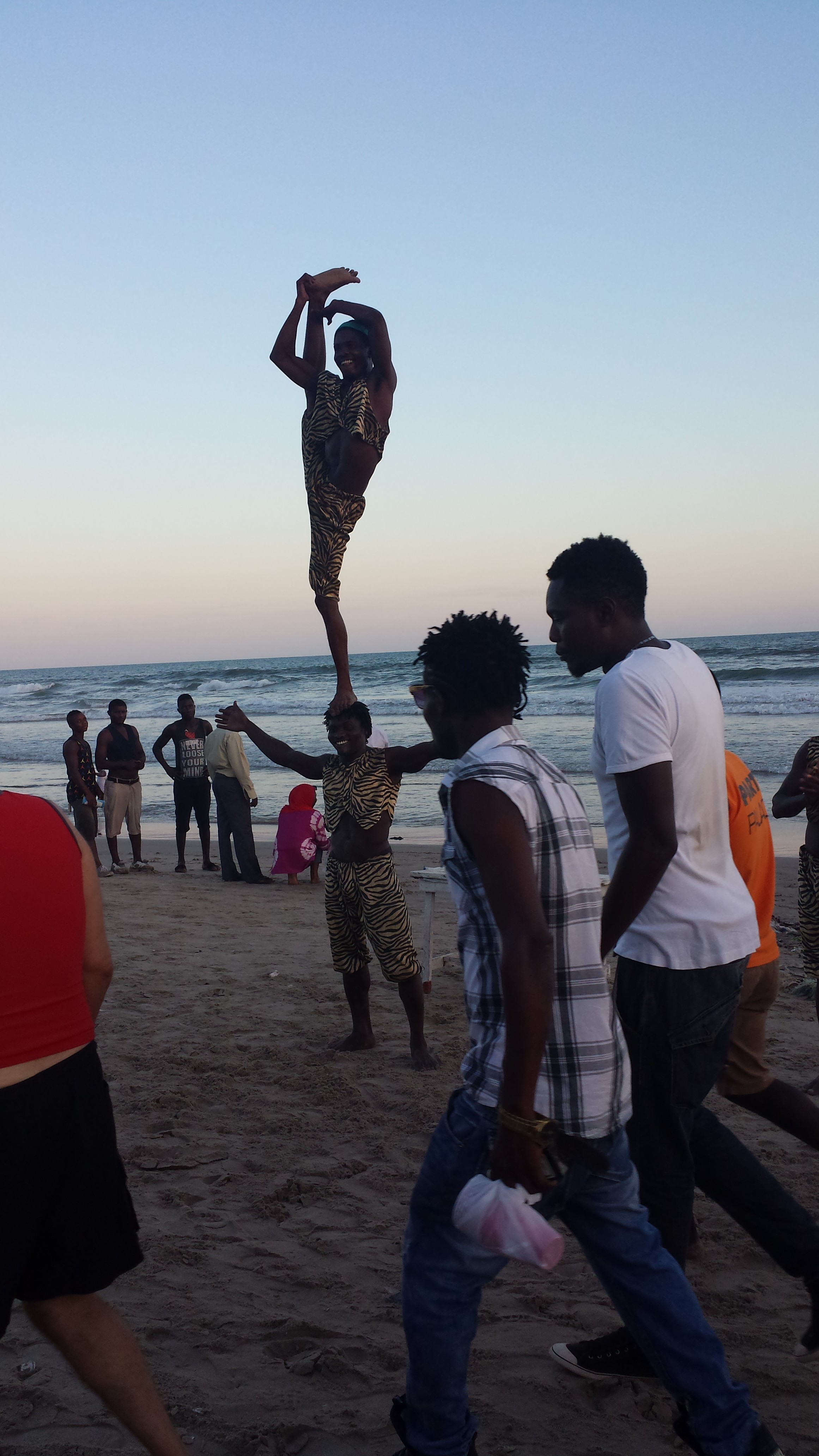
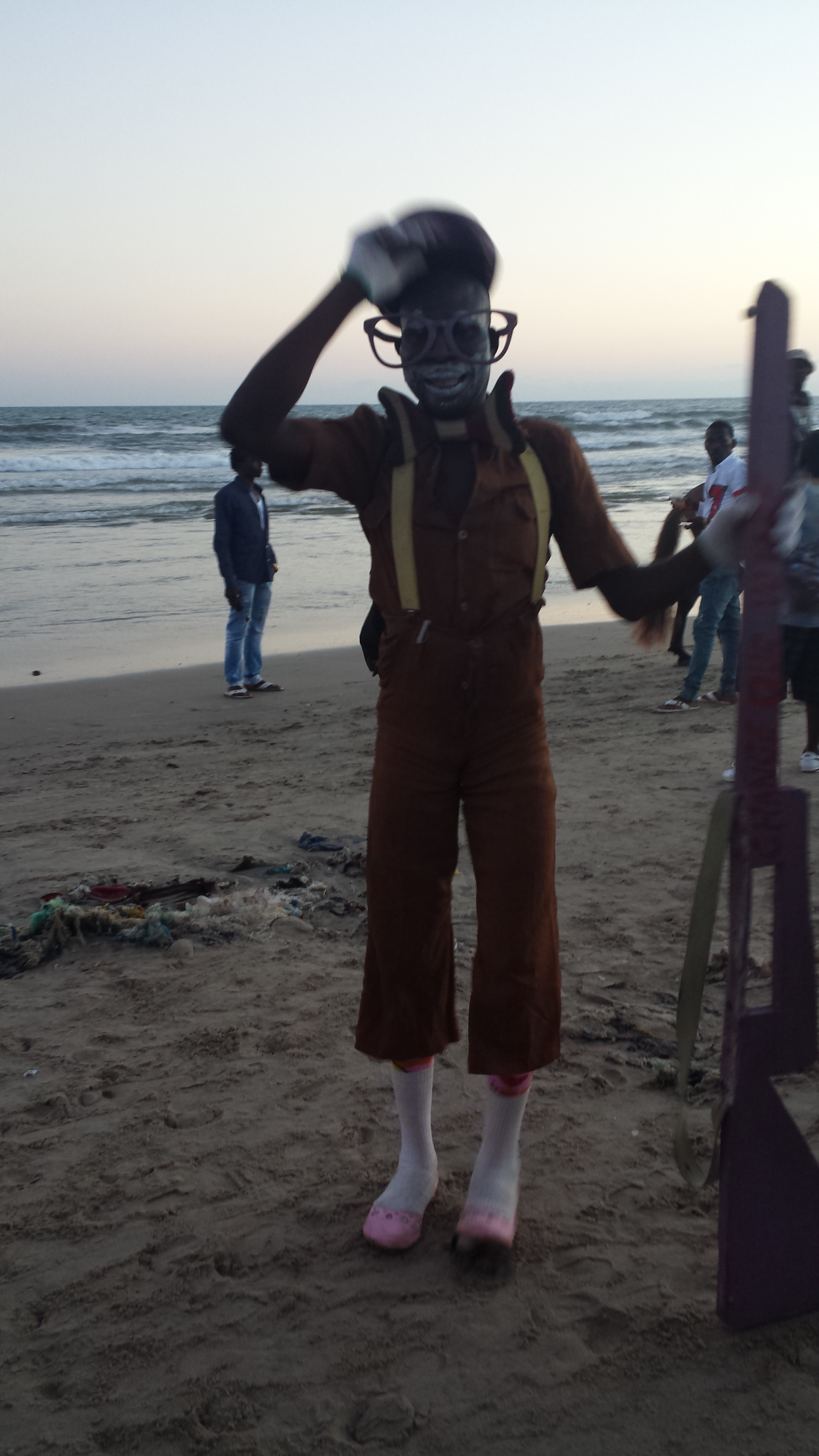
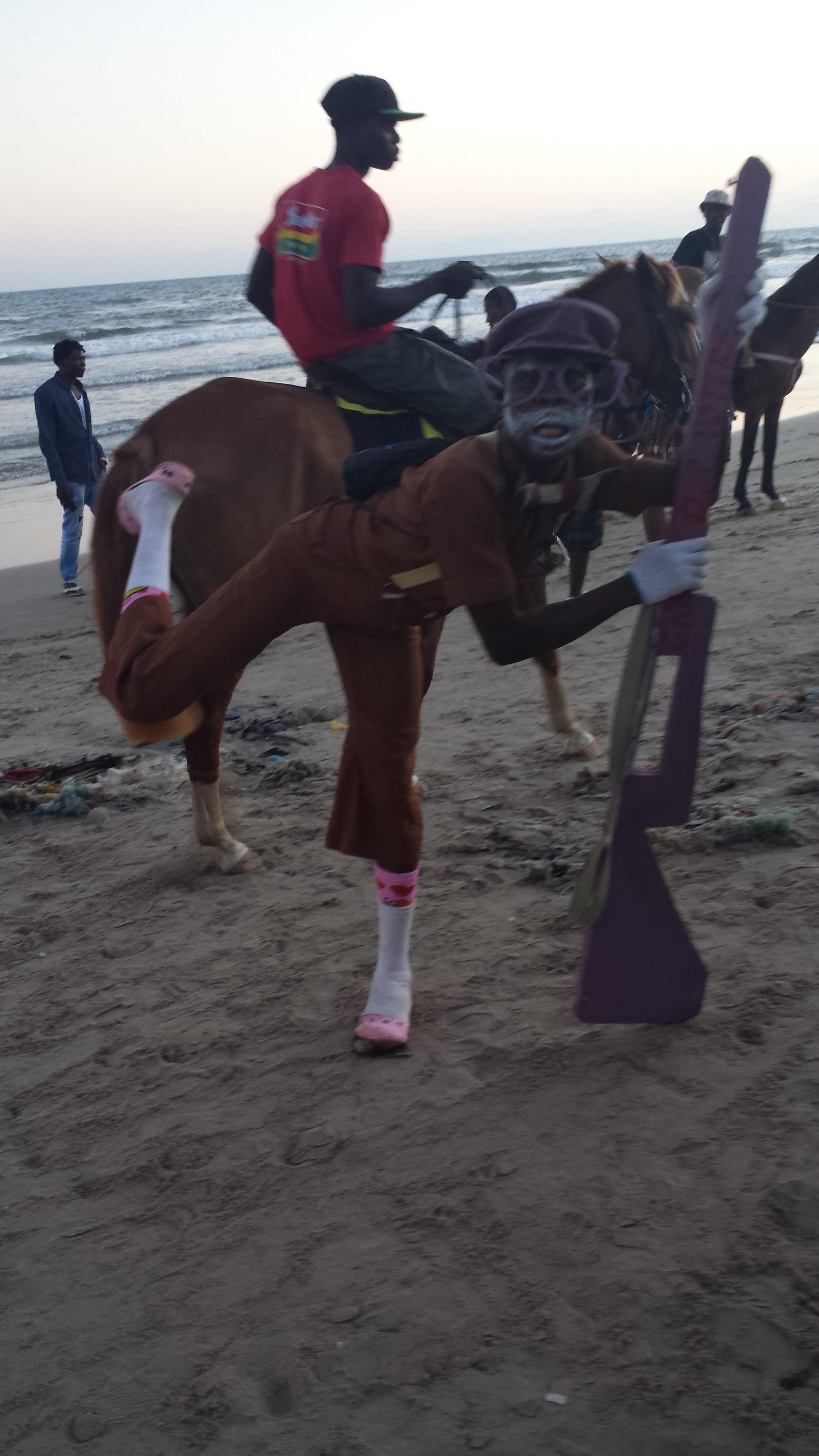
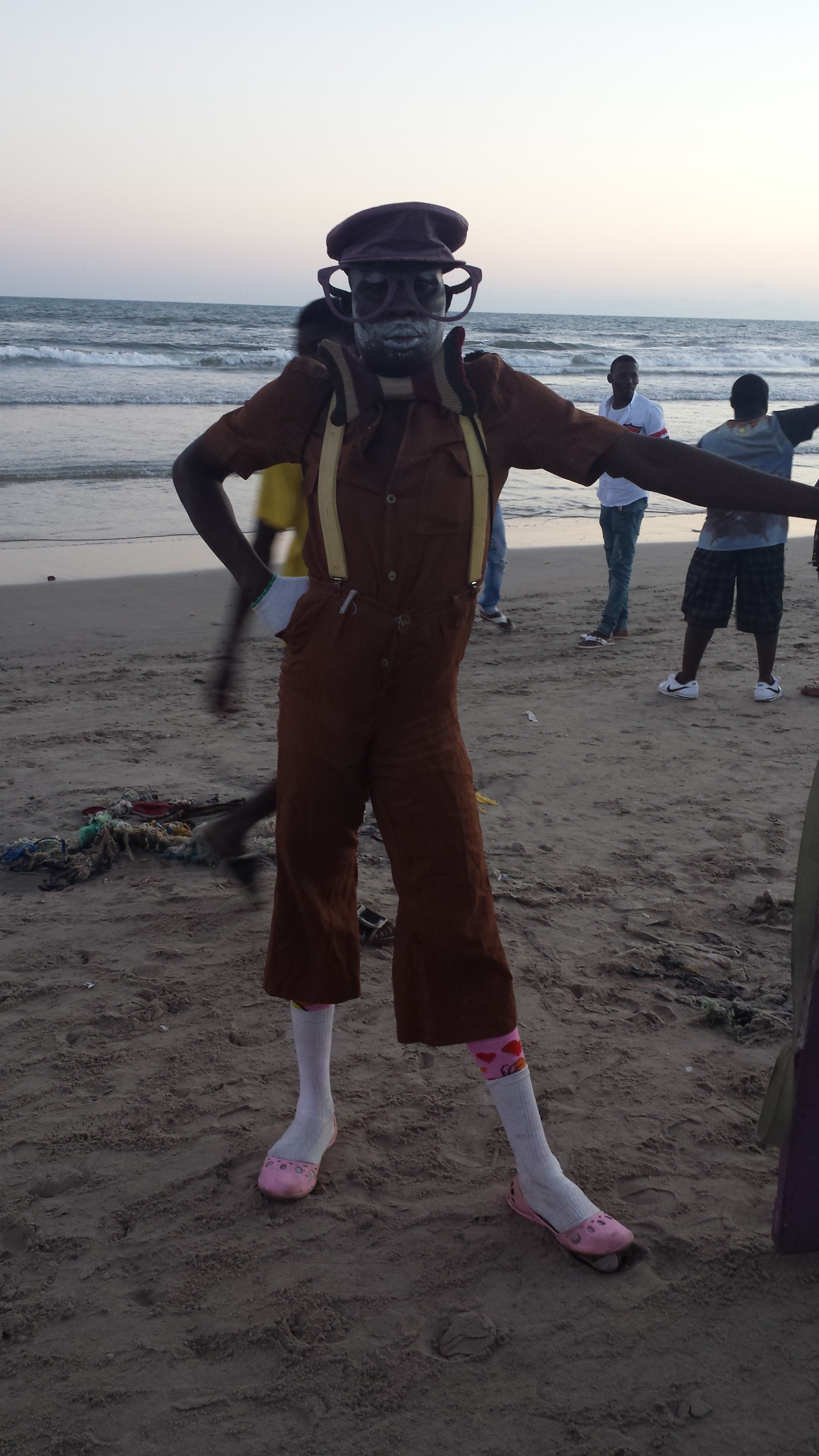
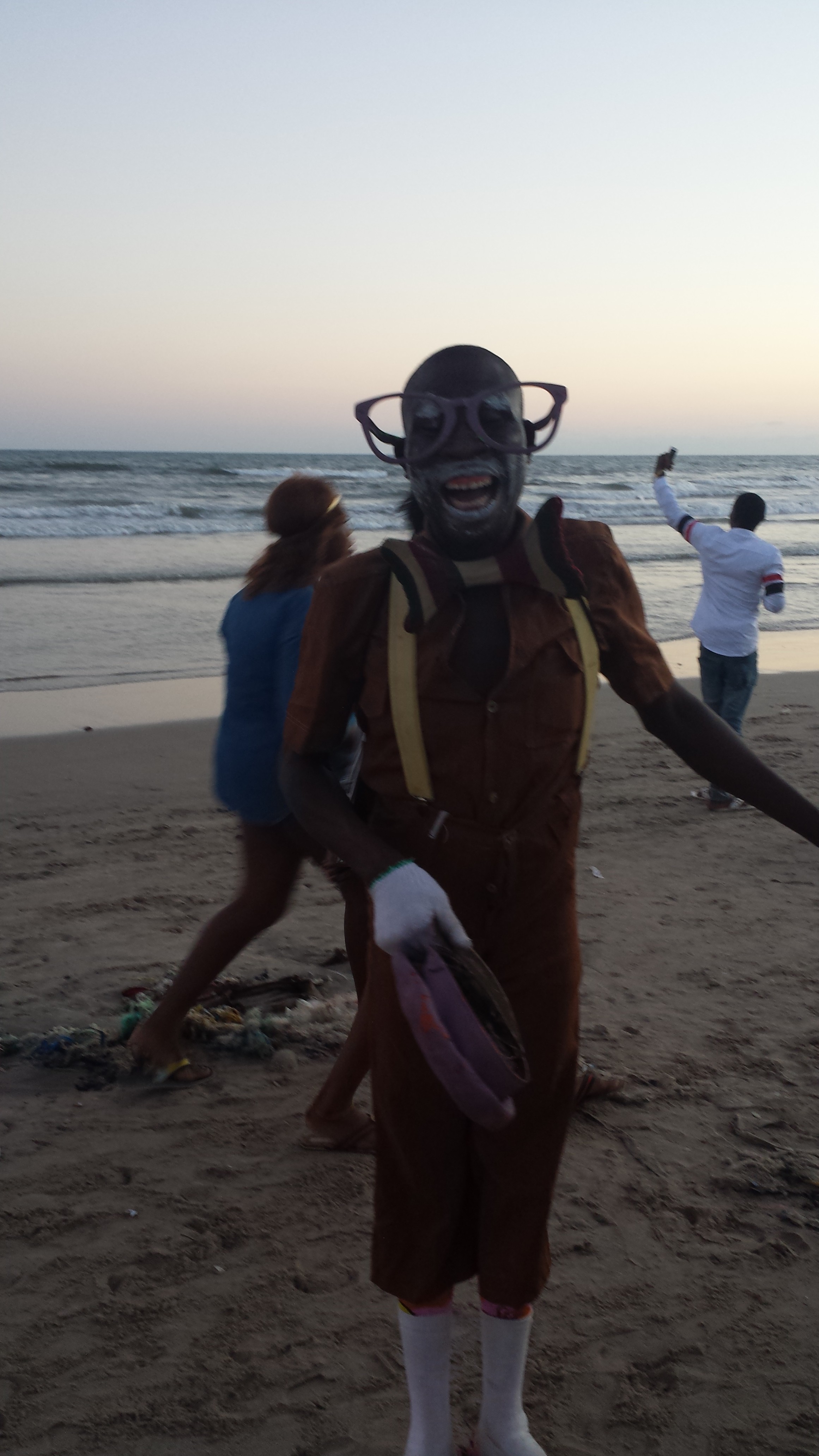
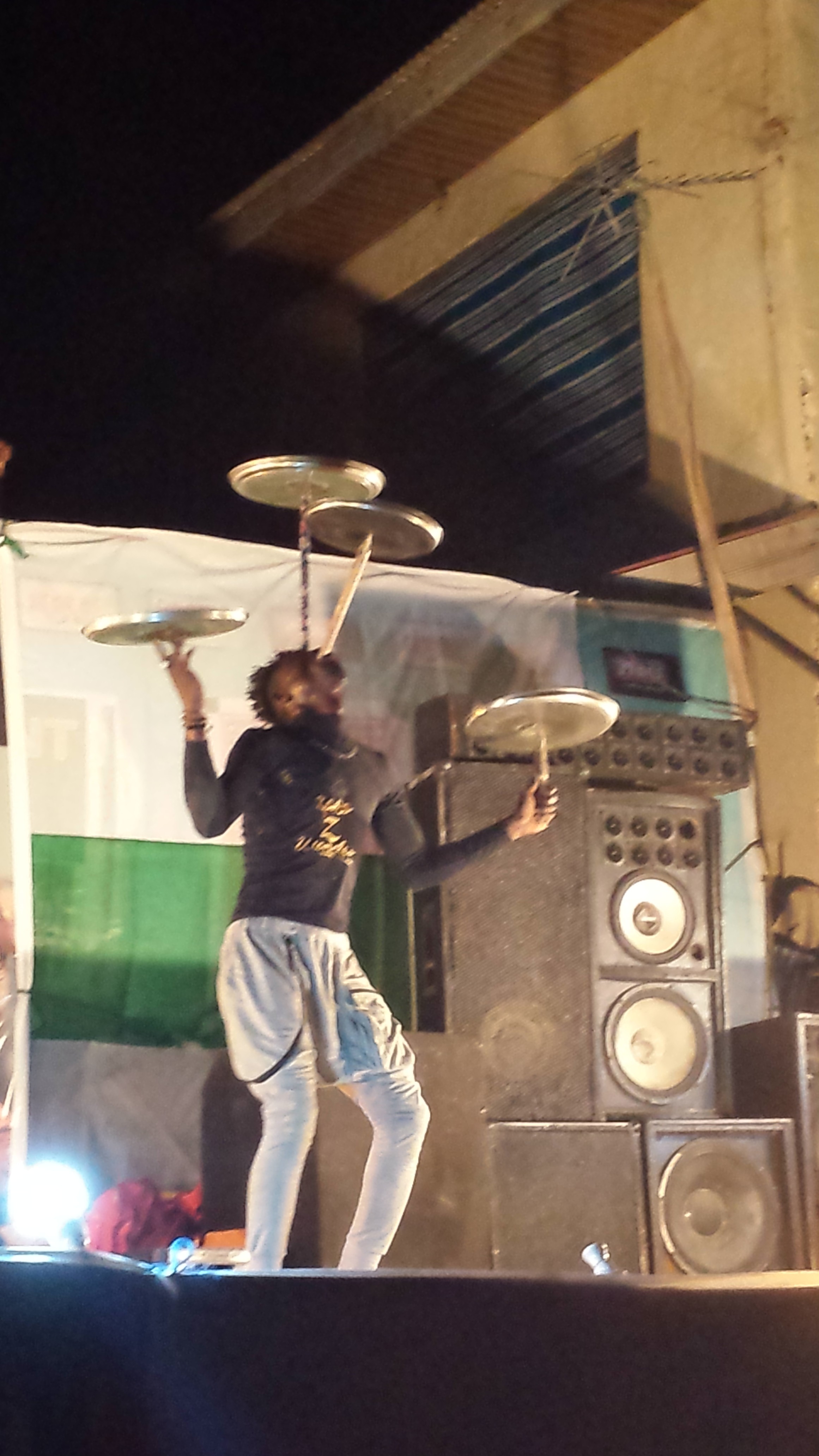
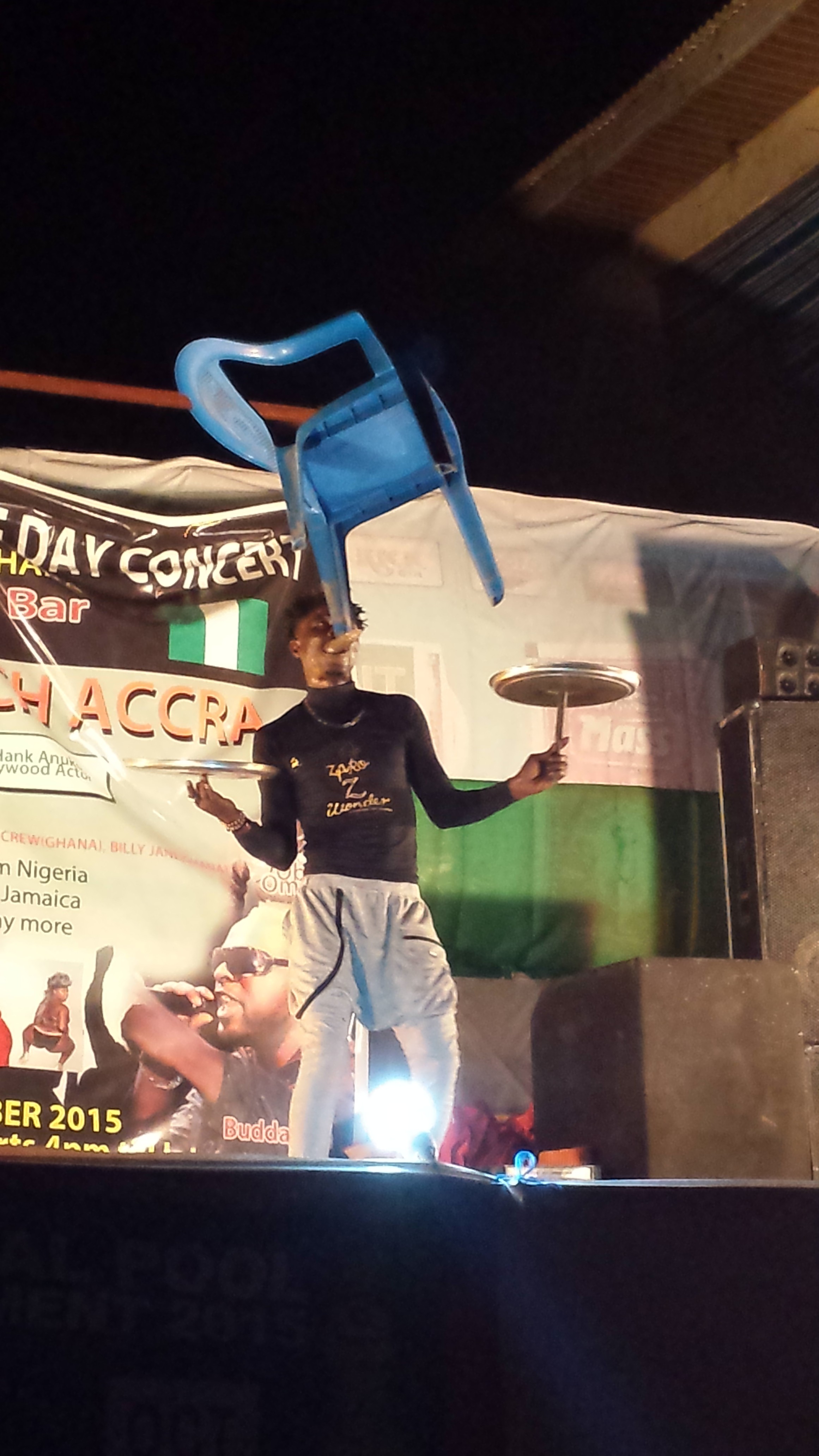
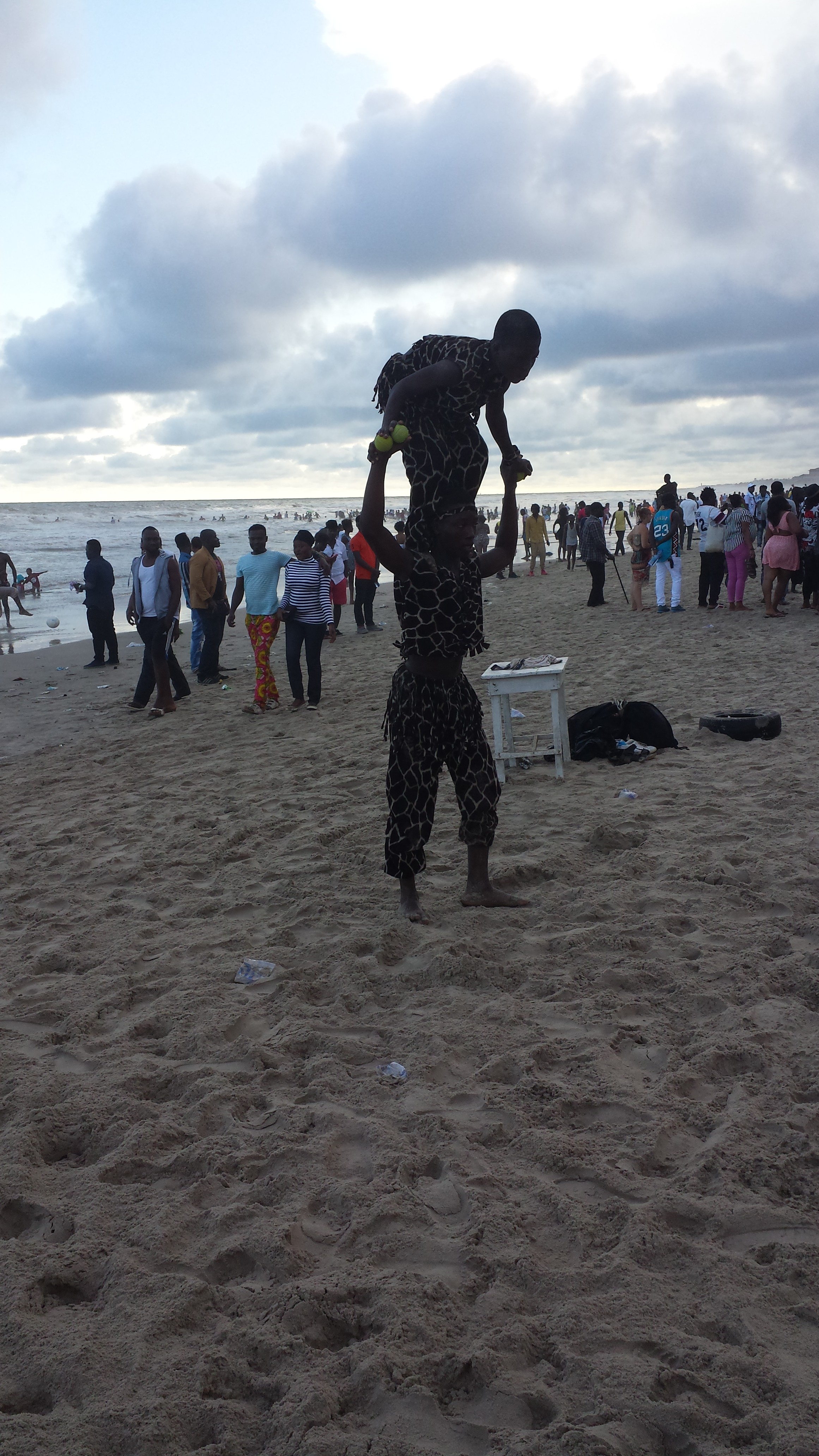
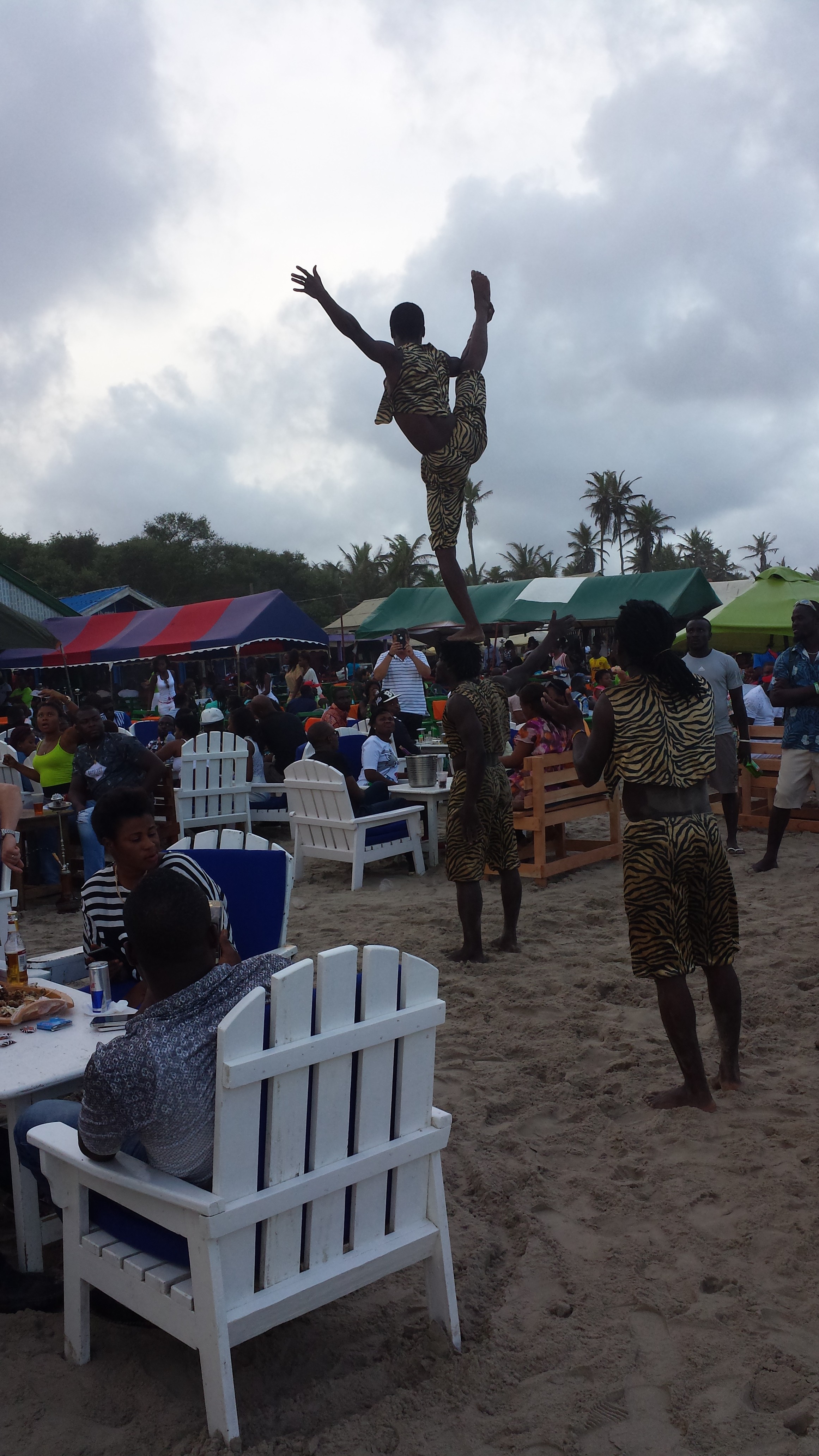
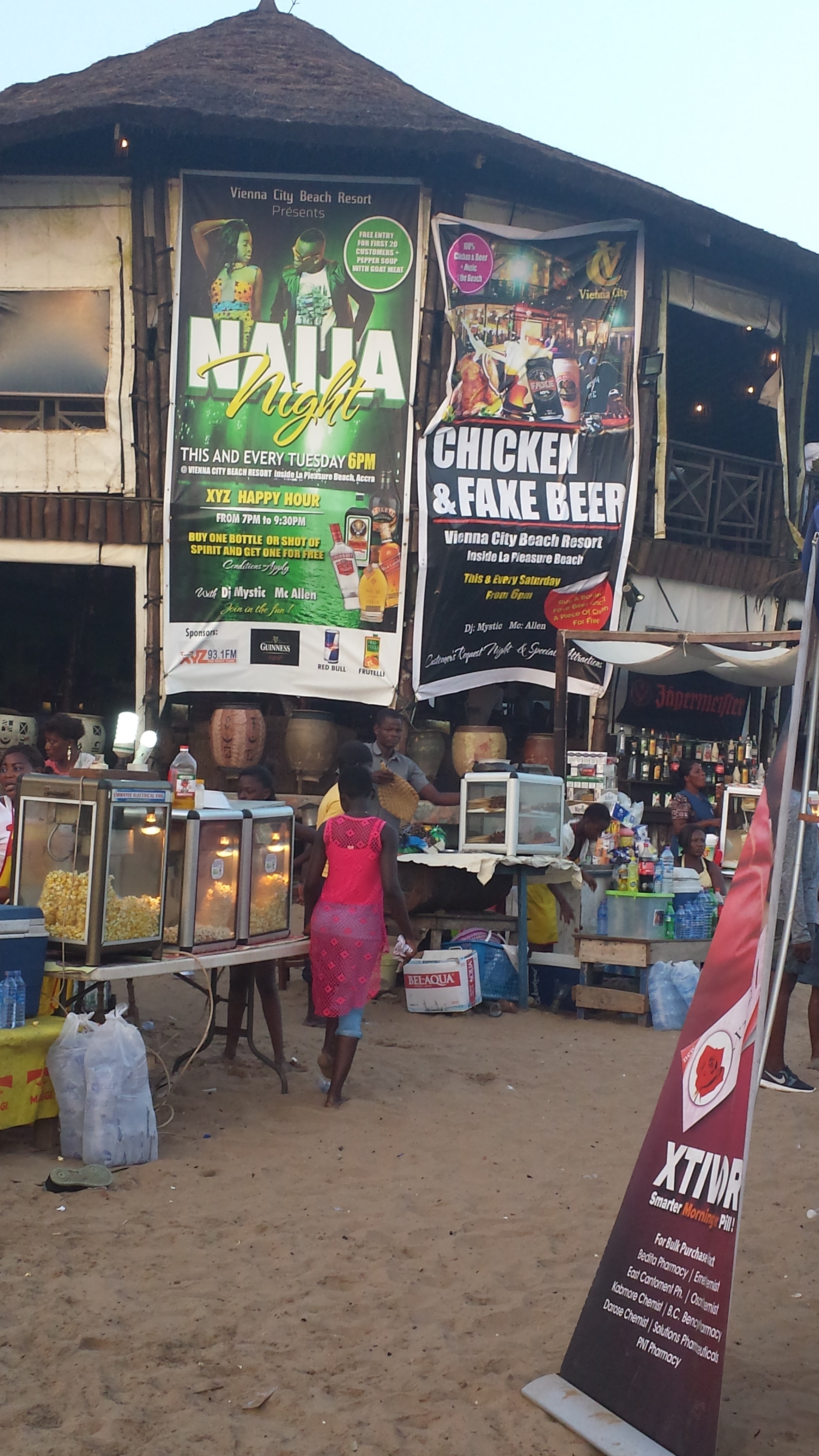
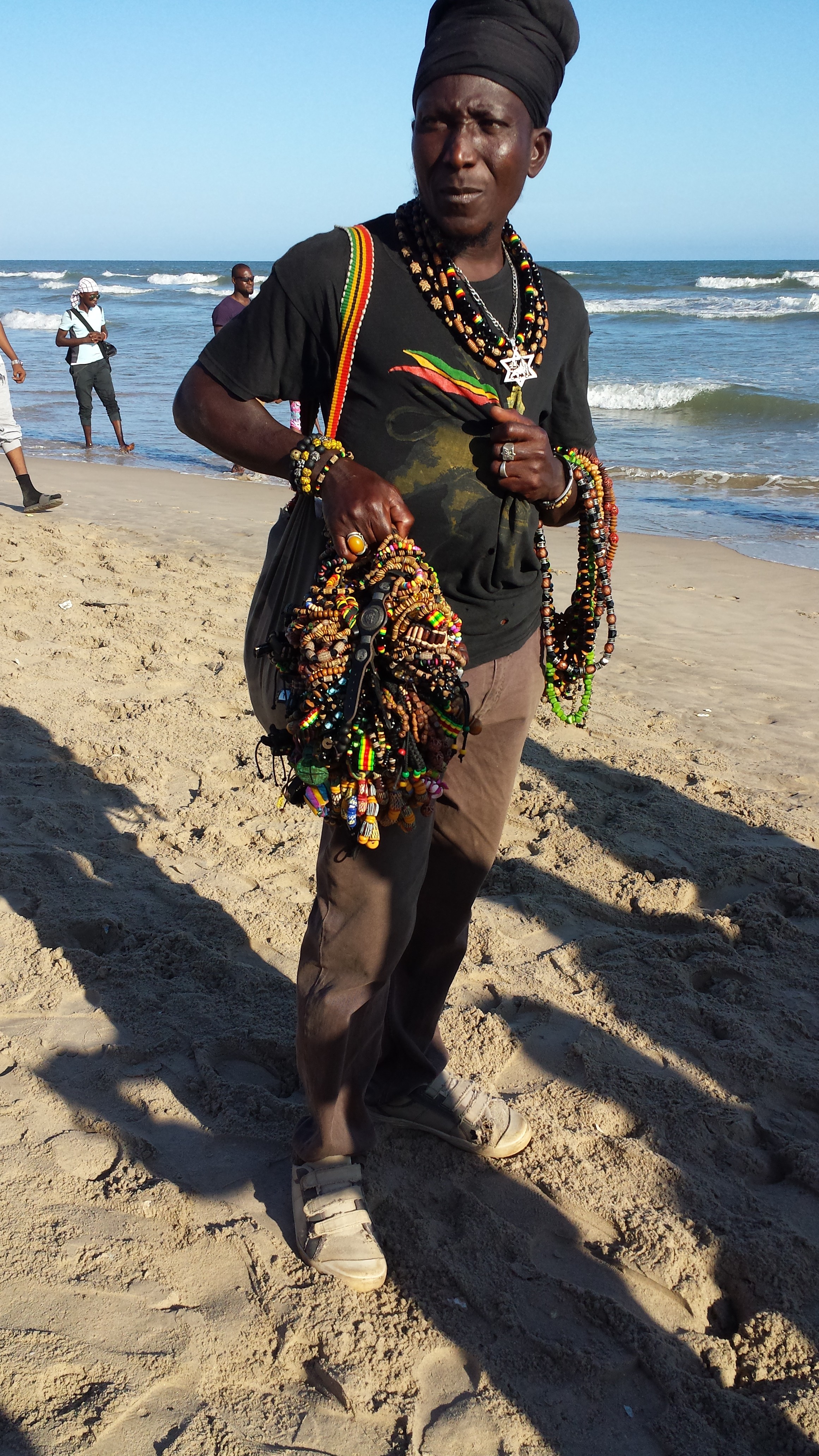
Below are some wonderful pics/videos I took today. I had to include some pics from last week Sunday (October 18, 2015).

Enjoy

20151011_163153 20151011_163204 20151011_164816 20151011_164839 20151011_164840 20151011_165908 20151011_165917 20151011_170640 20151011_170656 20151011_171631 20151011_171816 20151011_171834 20151011_172041 20151011_172043 20151011_172050 20151011_172404 20151011_172430 20151011_173048 20151011_173210 20151011_173436 20151011_173447 20151011_173534 20151011_173537 20151011_174446 20151011_174504 20151011_174605 20151011_175259 20151011_175310 20151011_175318 20151011_175324 20151011_193554 20151011_193802 20151011_193926 20151011_194900 20151011_200903 20151011_201017 20151011_201042 20151011_201105 20151011_201113 20151018_162406 20151018_162541 20151018_162547 20151018_163413 20151018_163522 20151018_163816 20151018_164854 20151004_173605 20151004_173649 20151004_173742 20151004_174142 20151004_174148 20151011_160013 20151011_160656 20151011_161925 20151011_162550

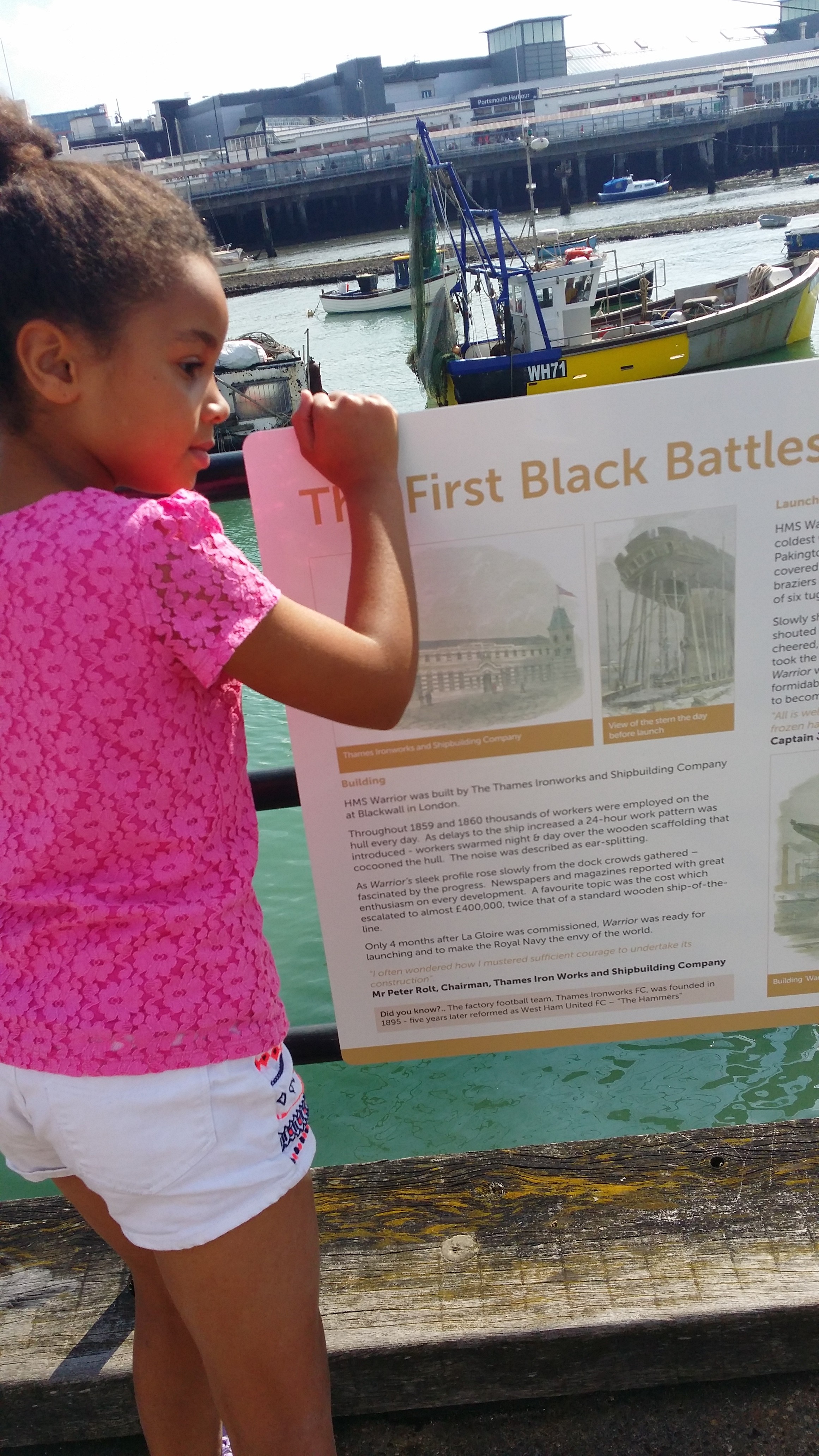
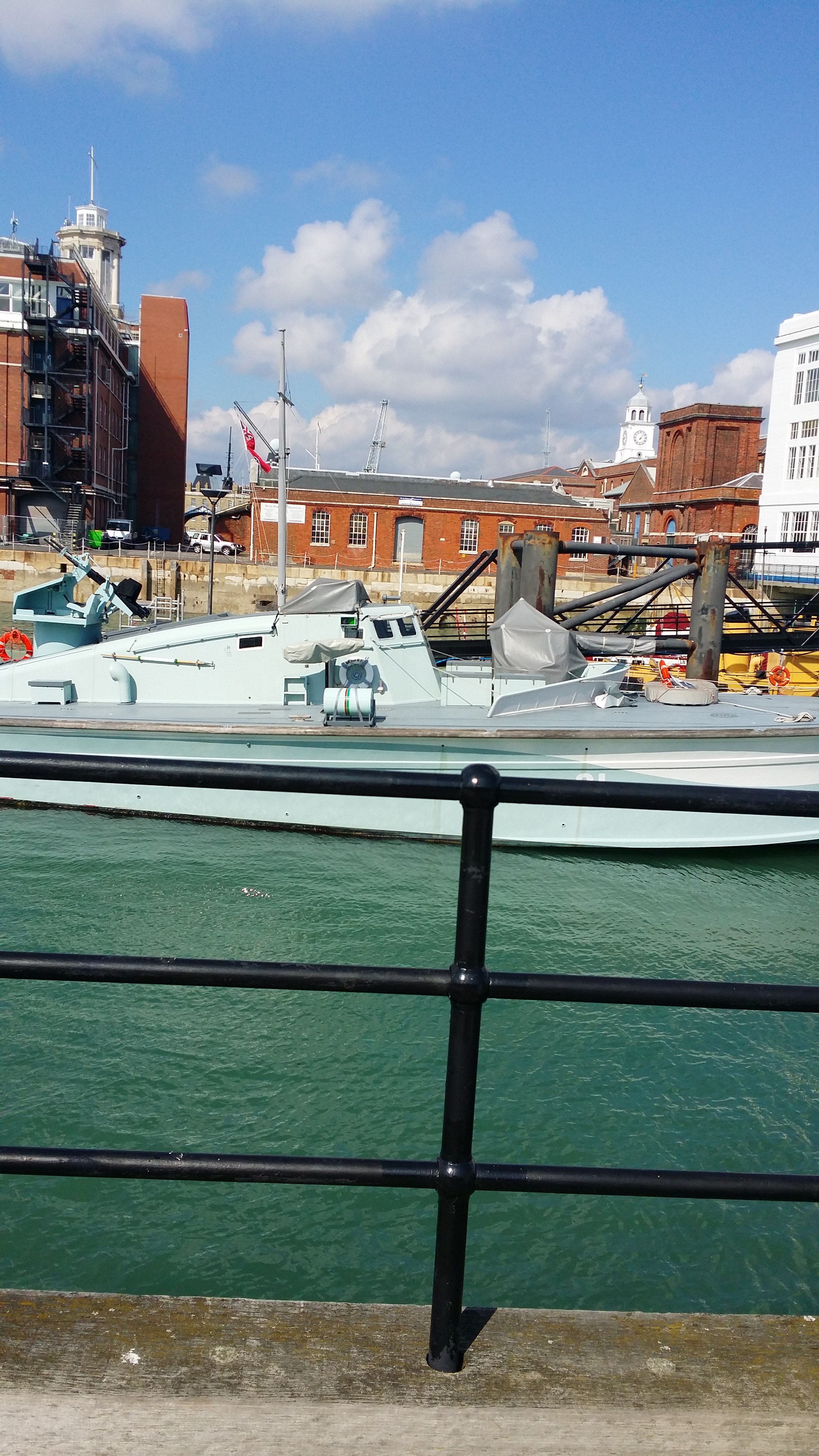
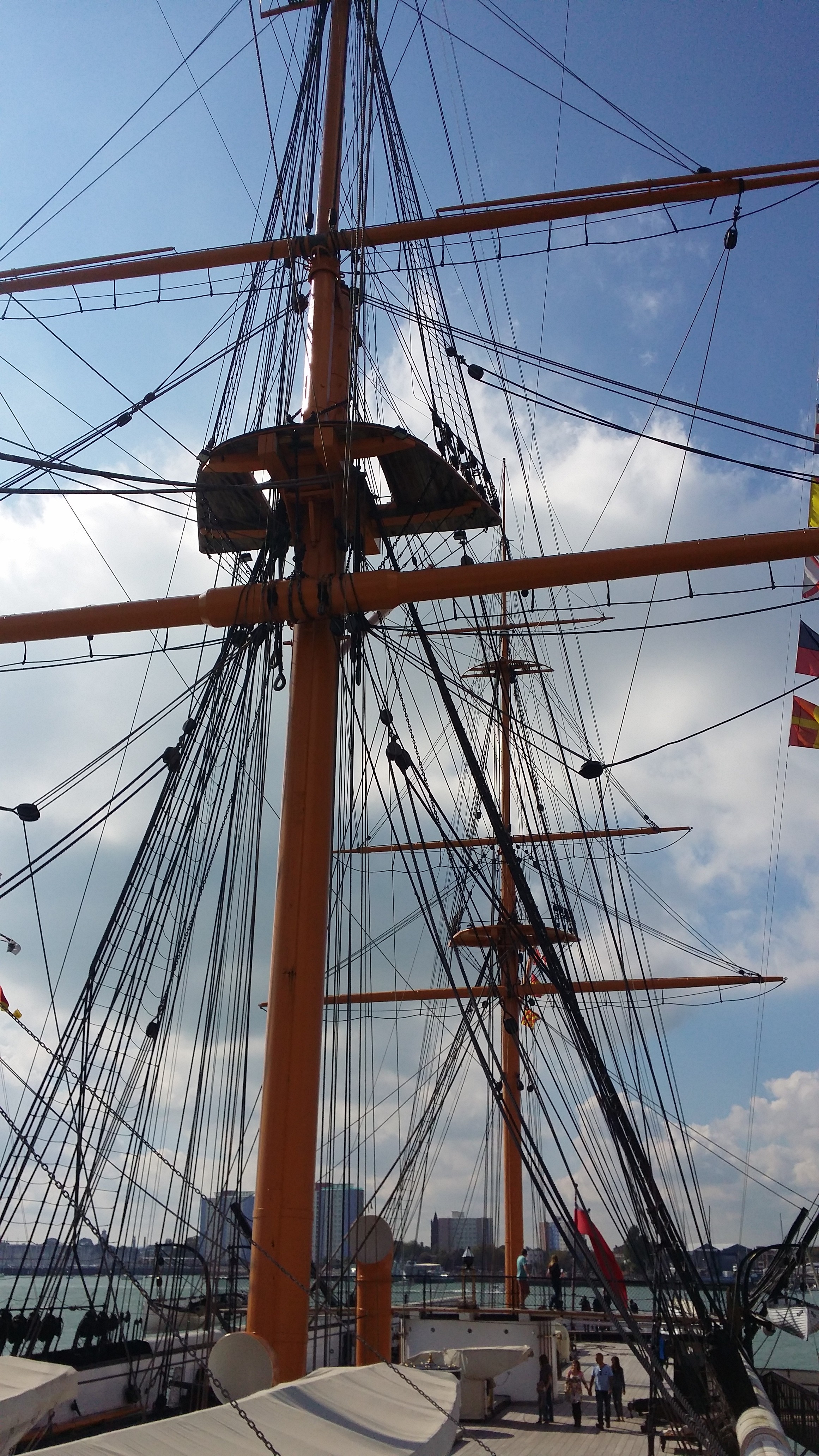
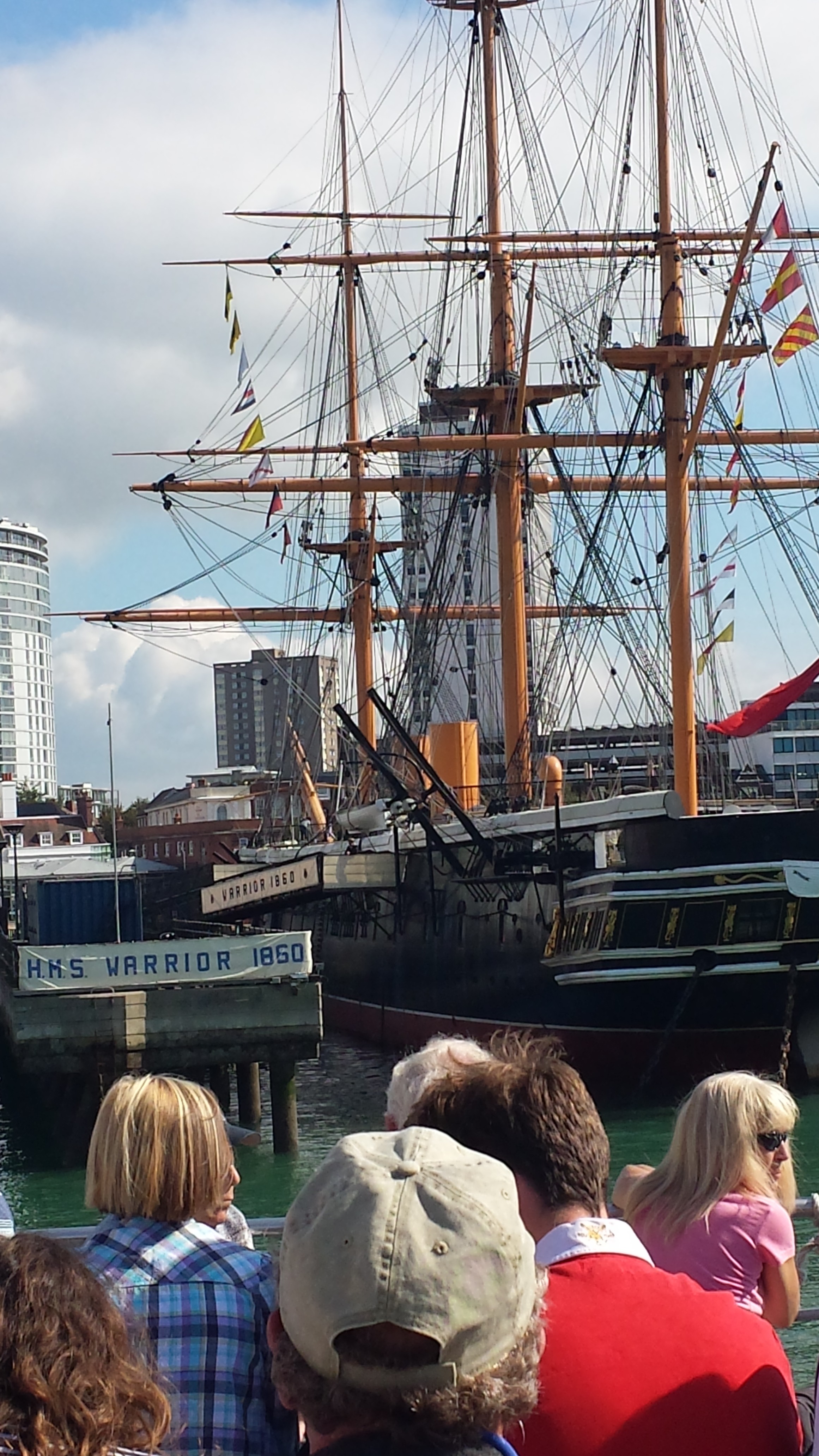
Amazing Photos and videos from my trip to HMS Warrior Ship, Portsmouth, UK

Inline image 1
Map of hms warrior portsmouth
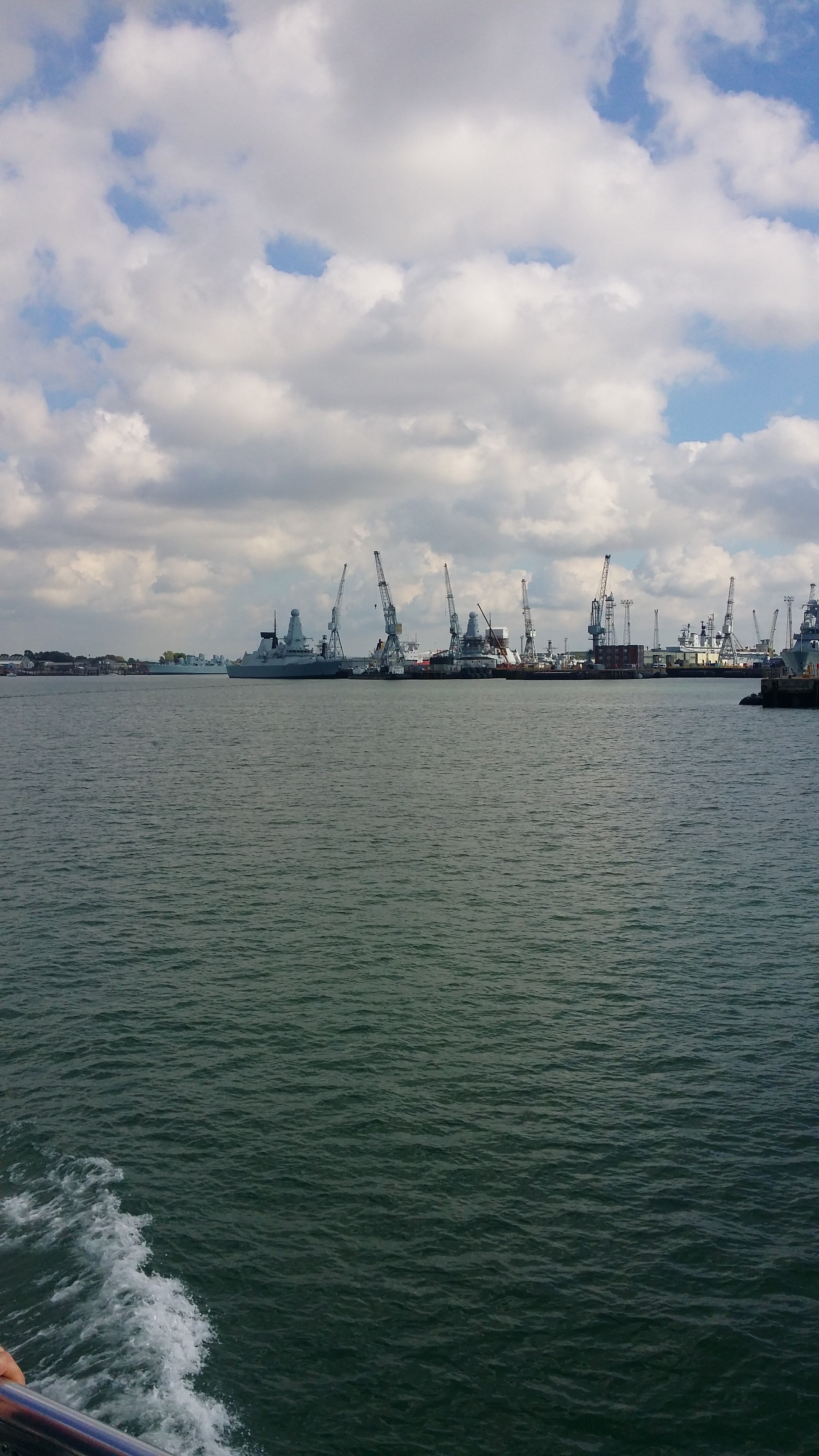
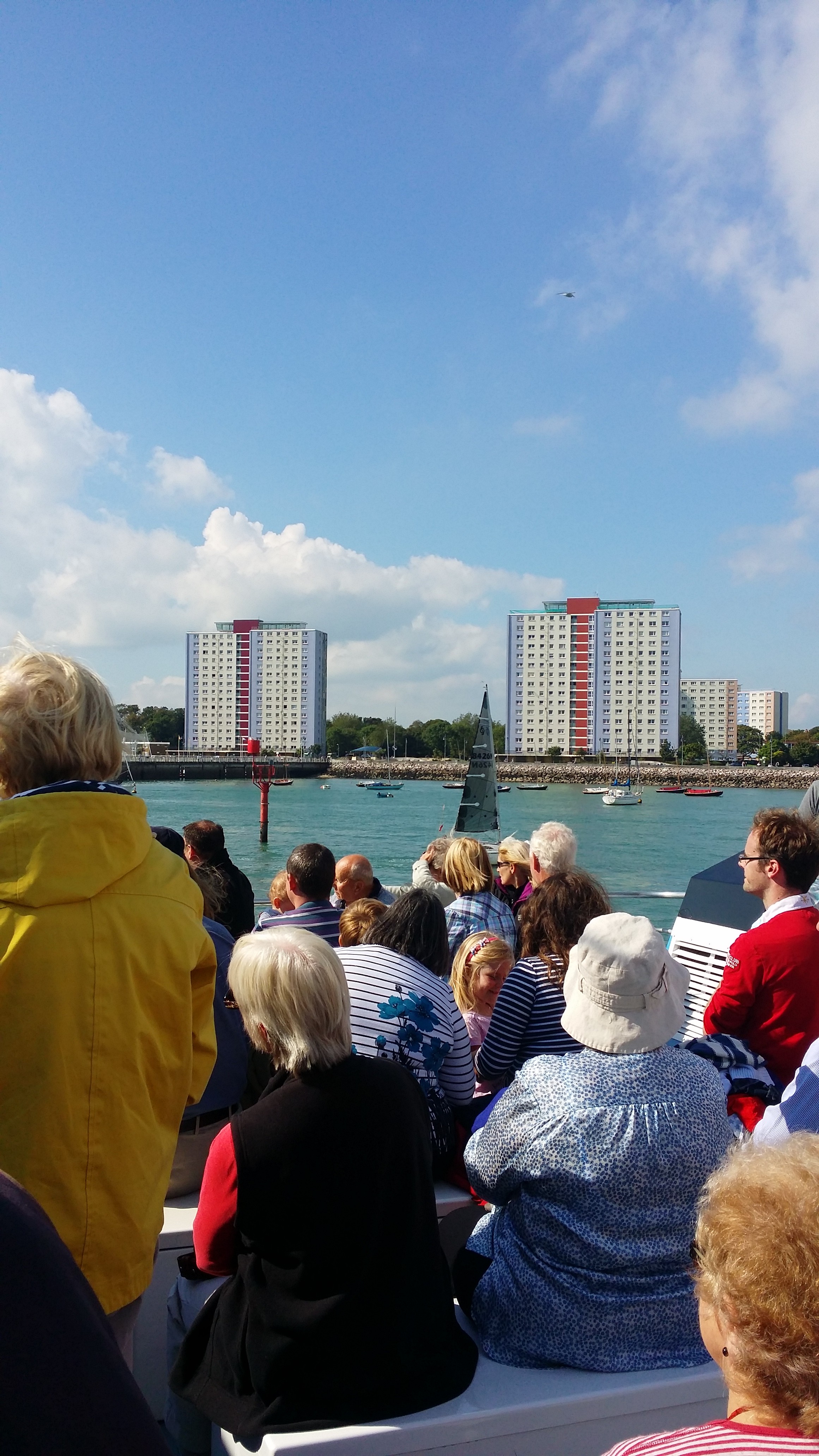
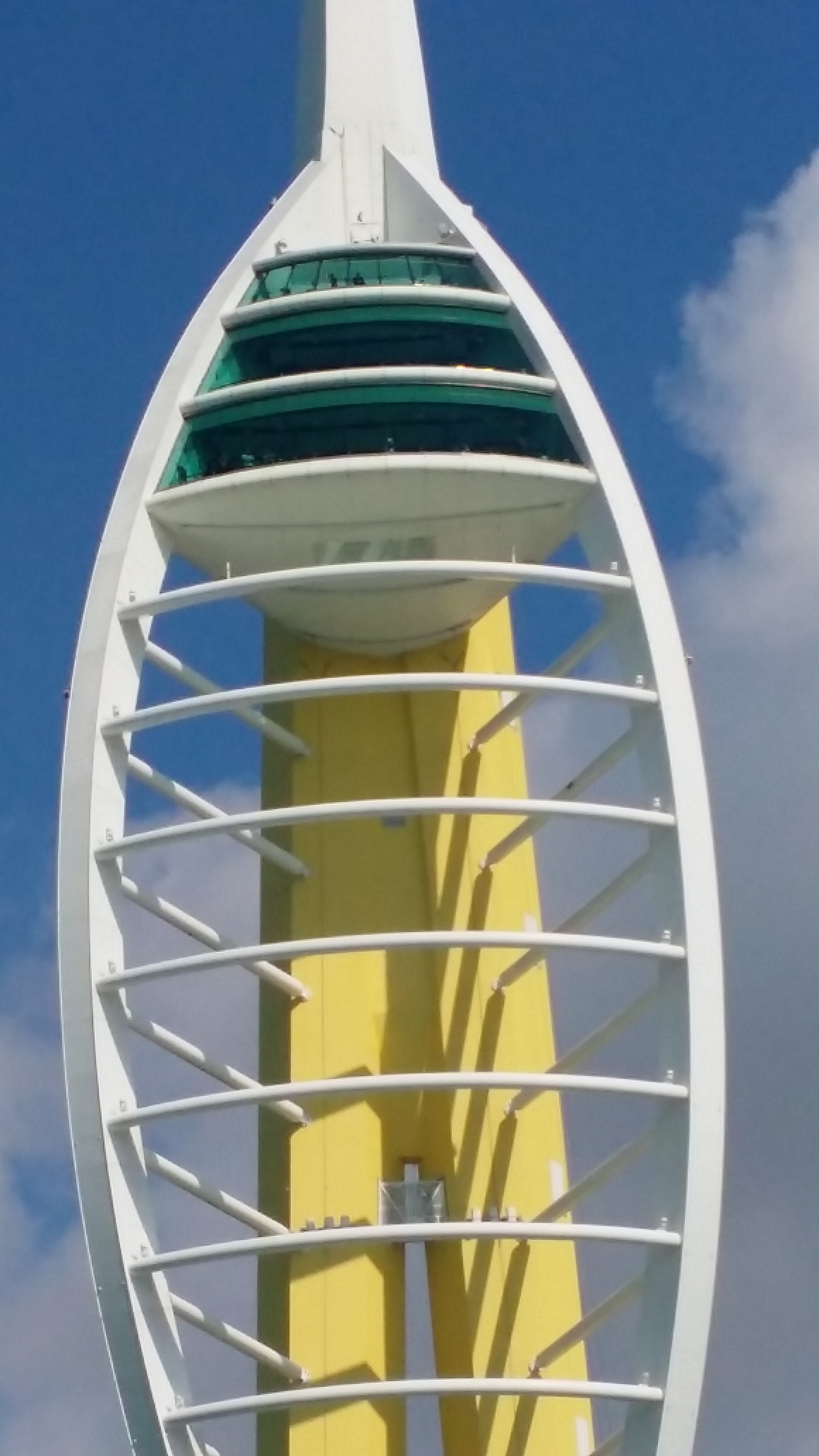
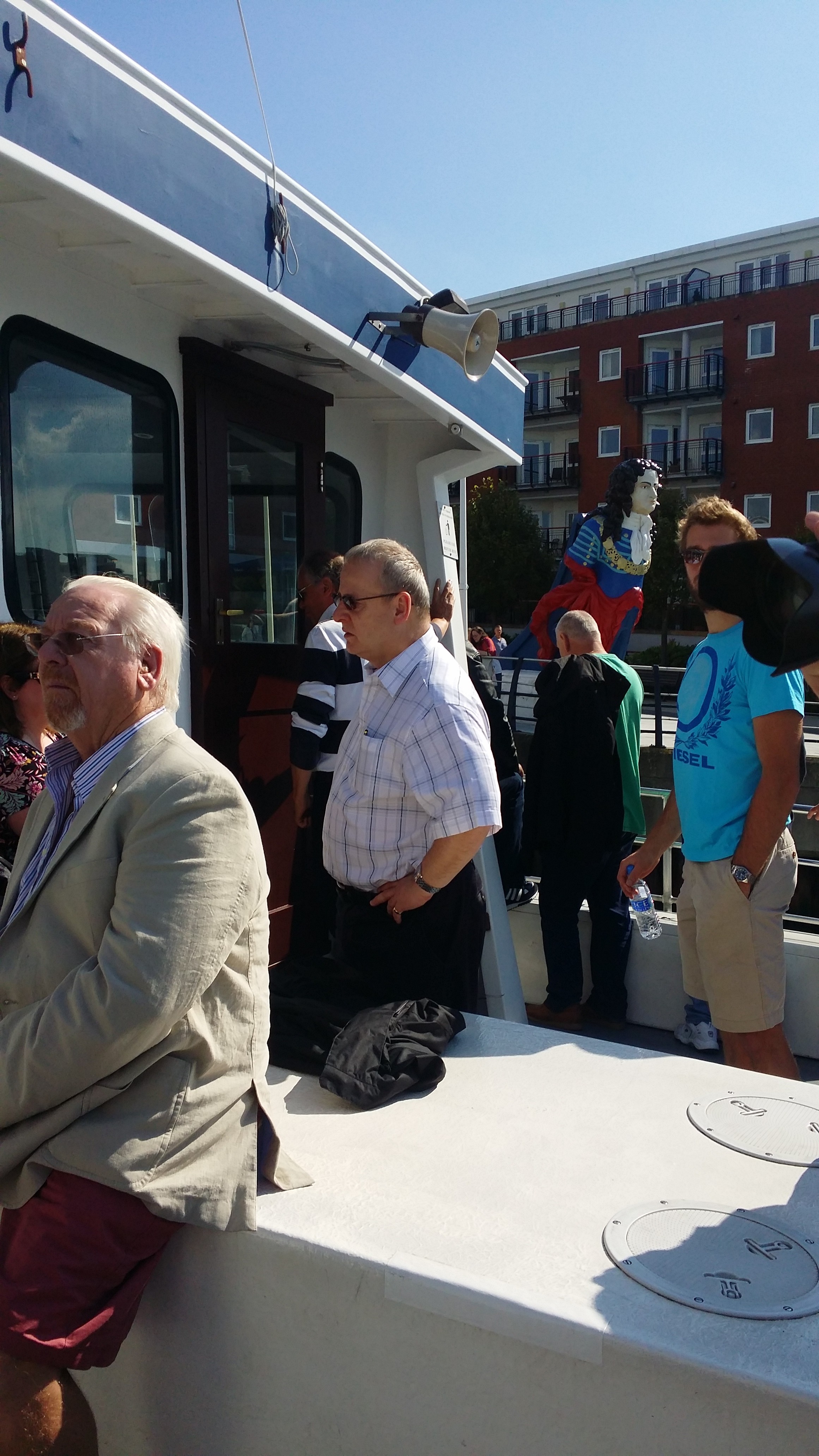
I recently visited HM Warrior in Portsmouth, UK and would like to share some photos and videos.

Firstly, what is HM Warrior?

HMS Warrior Ship was the name ship of her class of two 40-gun steam-powered armored frigates built for the Royal Navy in 1859–61.

From what I heard, this ship used to be the most powerful and deadliest war ship during her time. Maybe this is one of the ships the British used to conquer the world. Its more than 100 years old and has been since replaced by modern, world class NAVAL Warships and Submarines which can be seen in the videos I will upload later.

SOME IMPORTANT INFO

Construction started: May 25, 1859
Launched: December 29, 1860
Builder: Thames Ironworks and Shipbuilding Company
Designer: Isaac Watts
Place built: Thames Ironworks and Shipbuilding Company

If you are visiting the UK for tourism purposes this must be included in your itinerary. For me, the best time to visit is during the weekends

Happy viewing.

20150920_113654 20150920_113812 20150920_113914 20150920_114110 20150920_114334 20150920_114343 20150920_114451 20150920_114623 20150920_114710 20150920_114818 20150920_114842 20150920_114845 20150920_115237 20150920_120131 20150920_120143 20150920_120650 20150920_120826 20150920_120855 20150920_120929 20150920_120939 20150920_130632 20150920_130738 20150920_131212 20150920_132018 20150920_132049 20150920_132051 20150920_132101 20150920_132126 20150920_132138 20150920_132511 20150920_133556 20150920_113535 20150920_113540

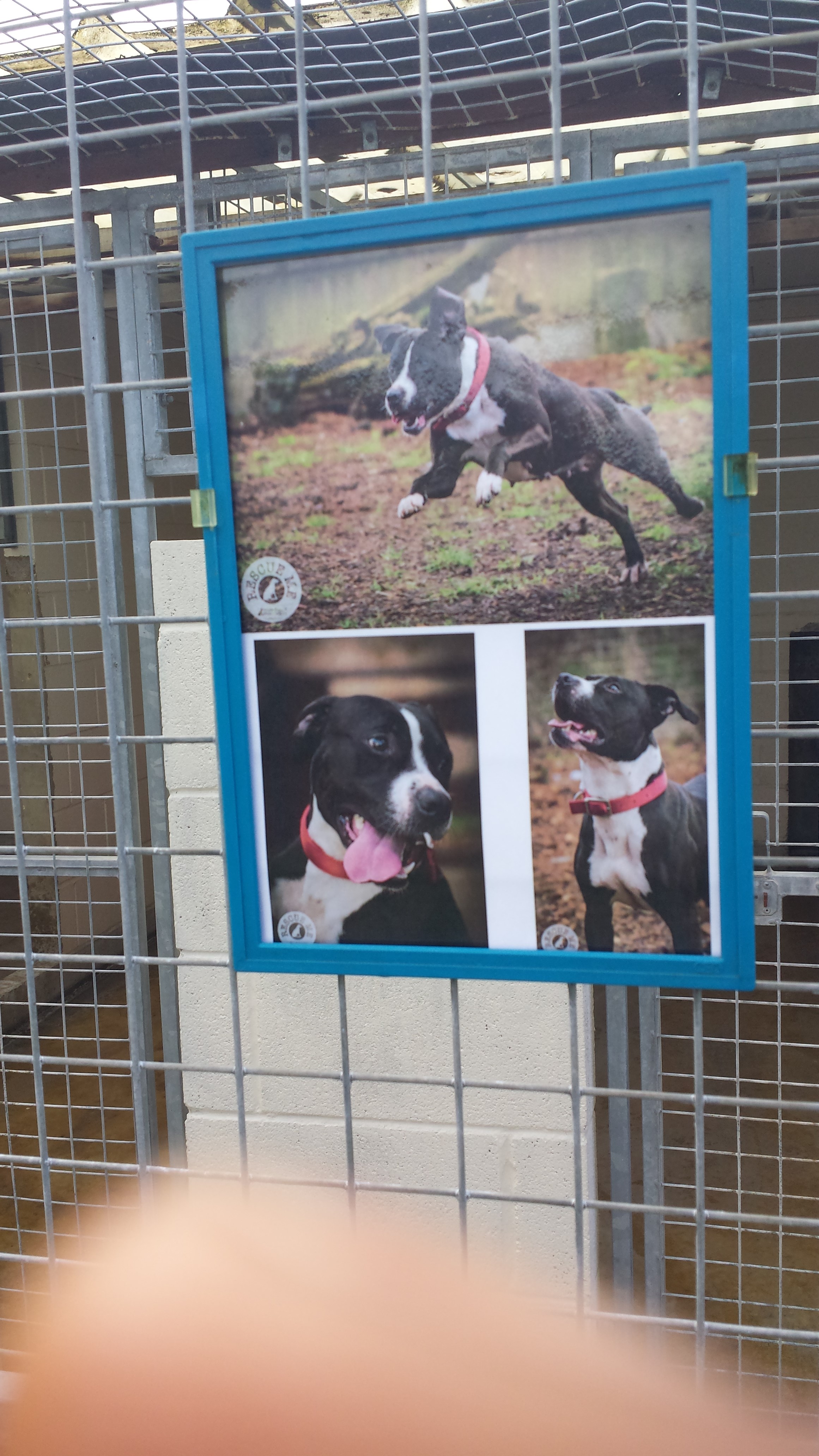
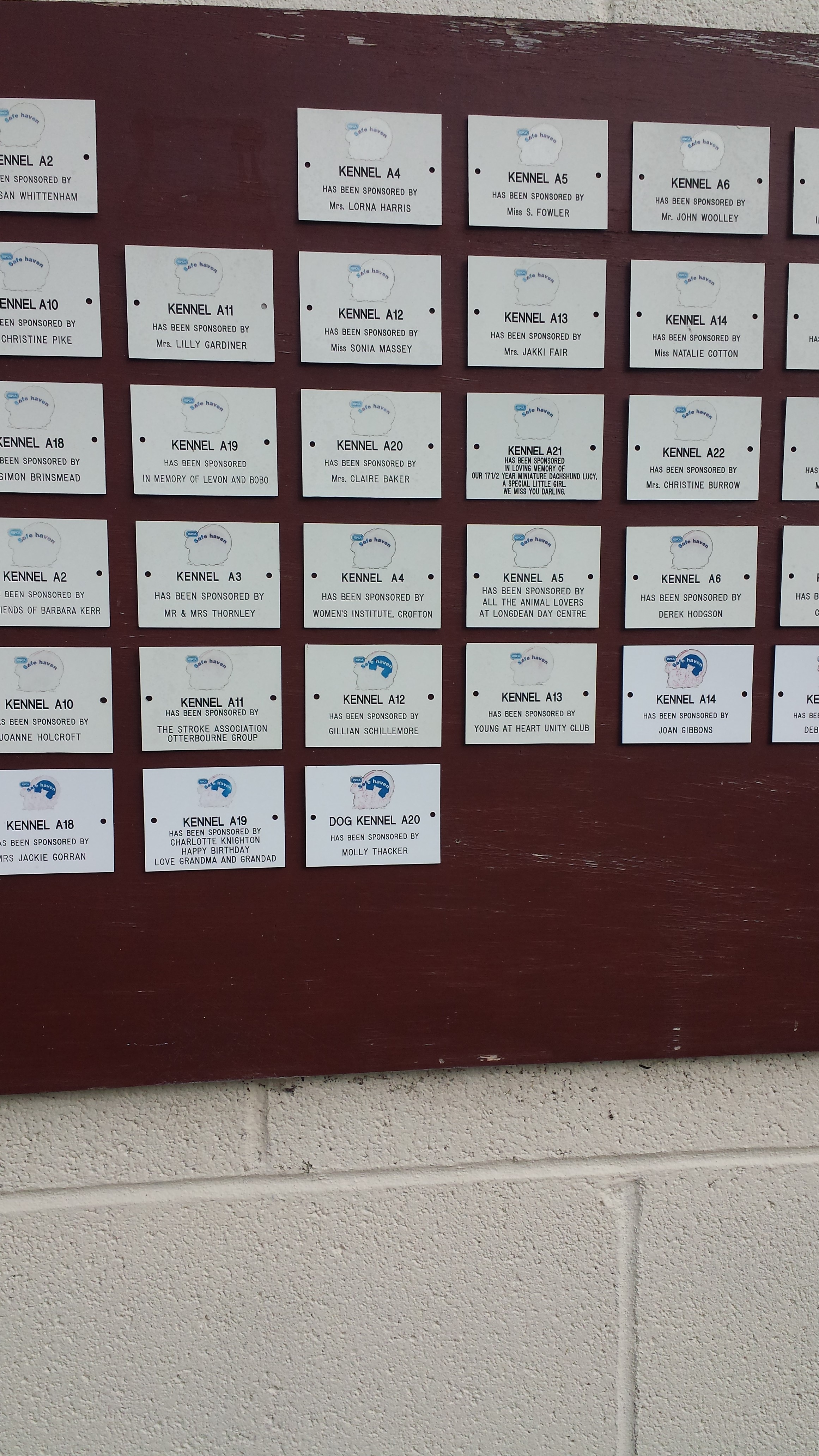
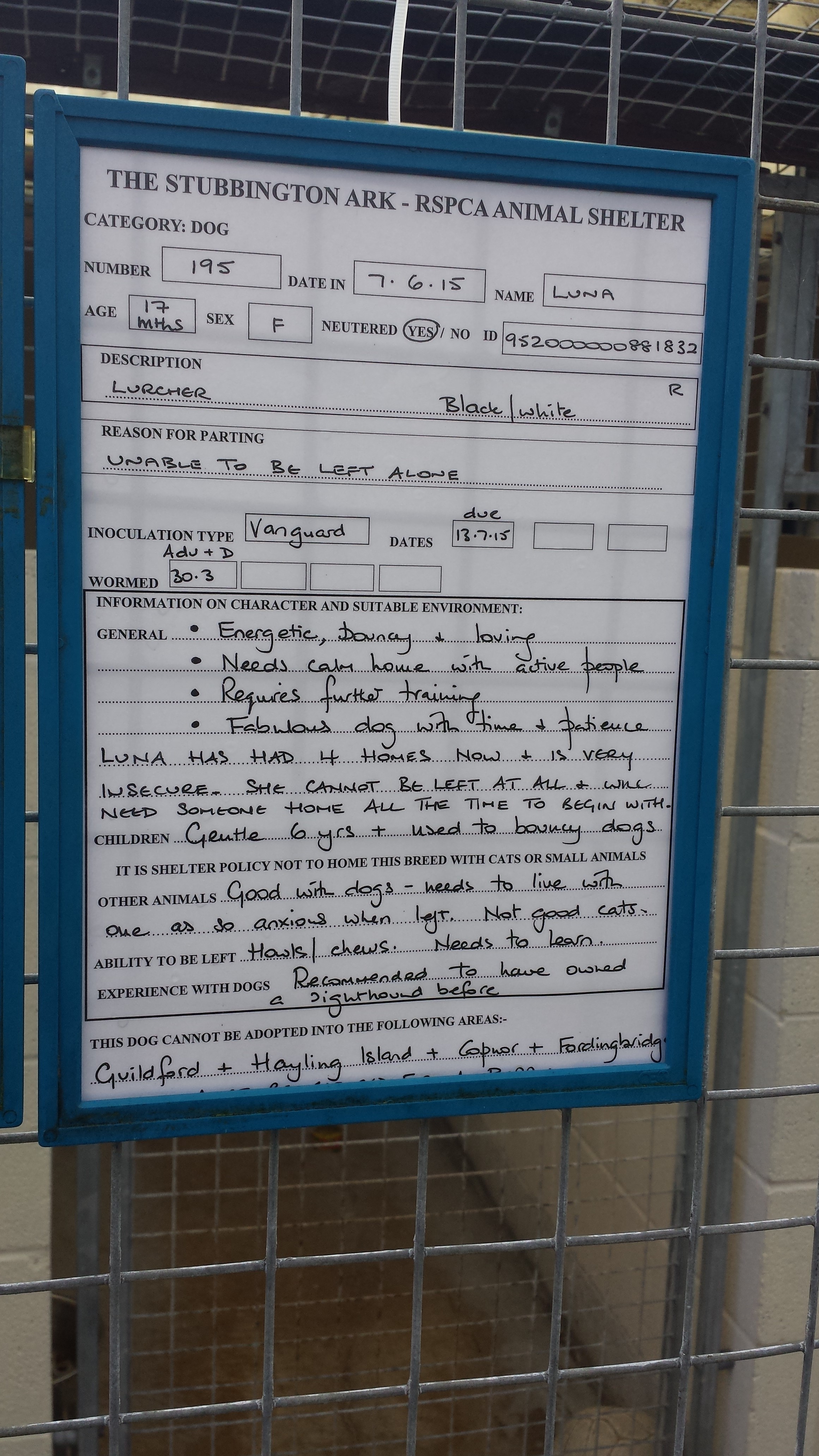
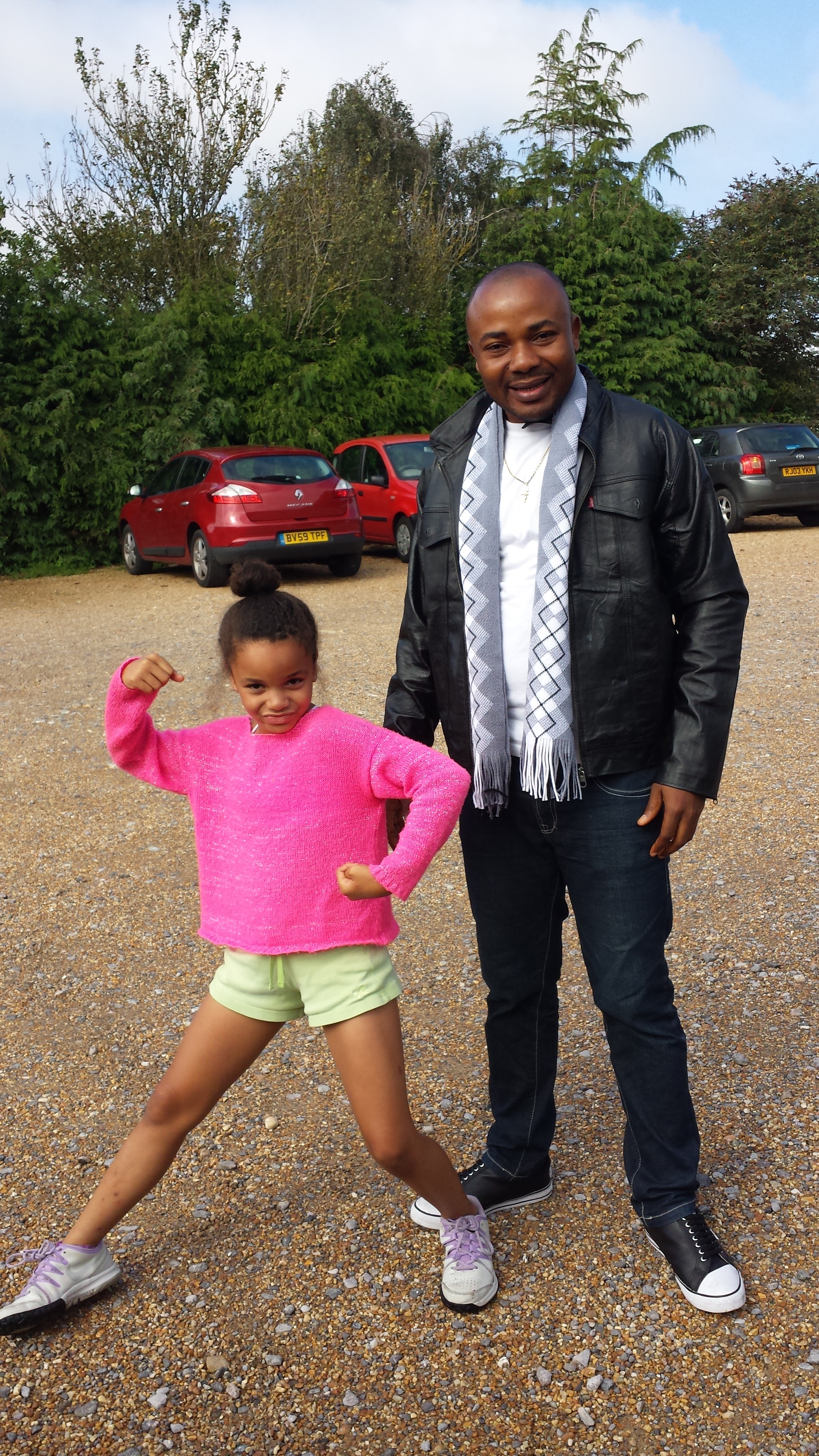
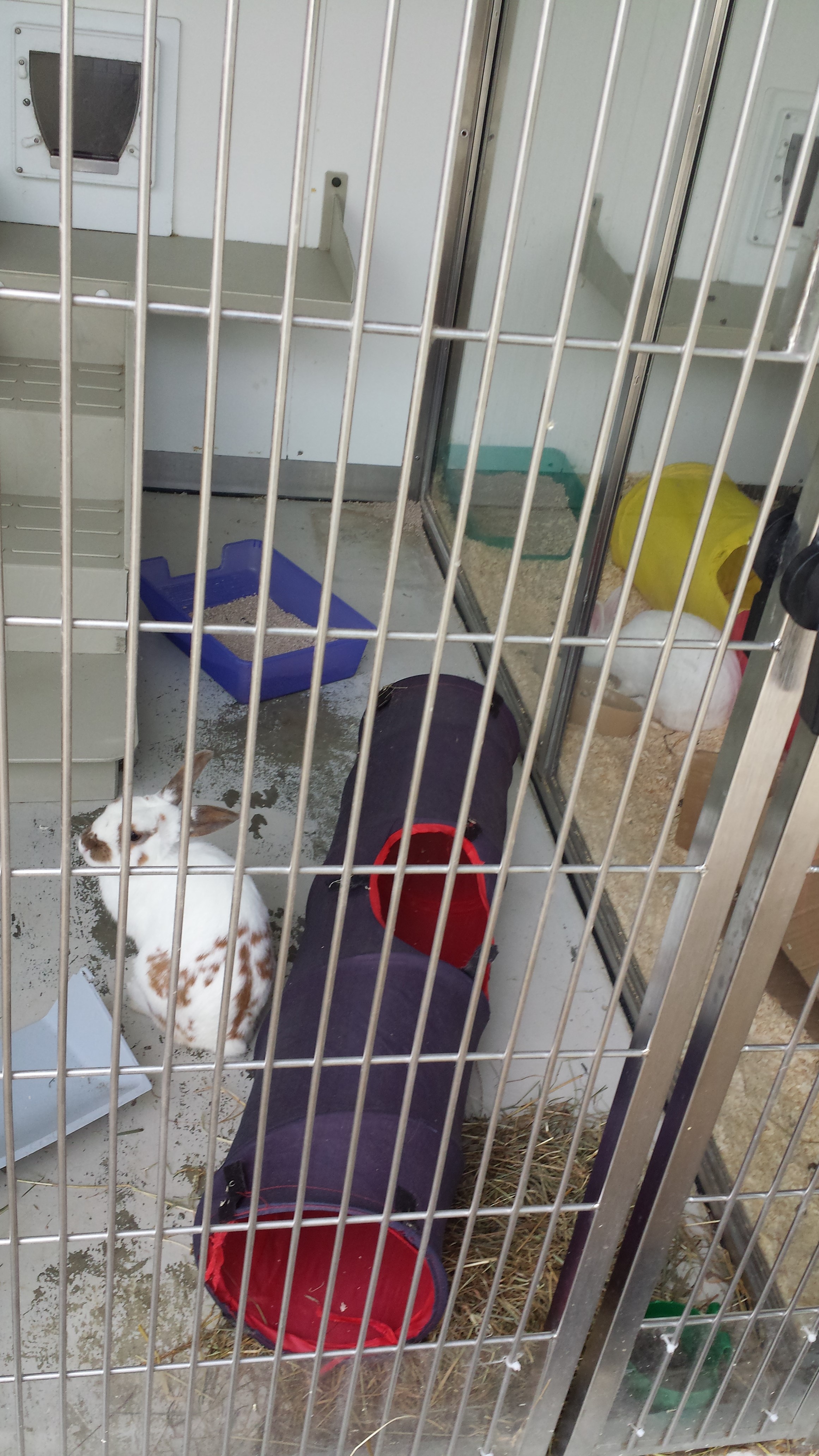
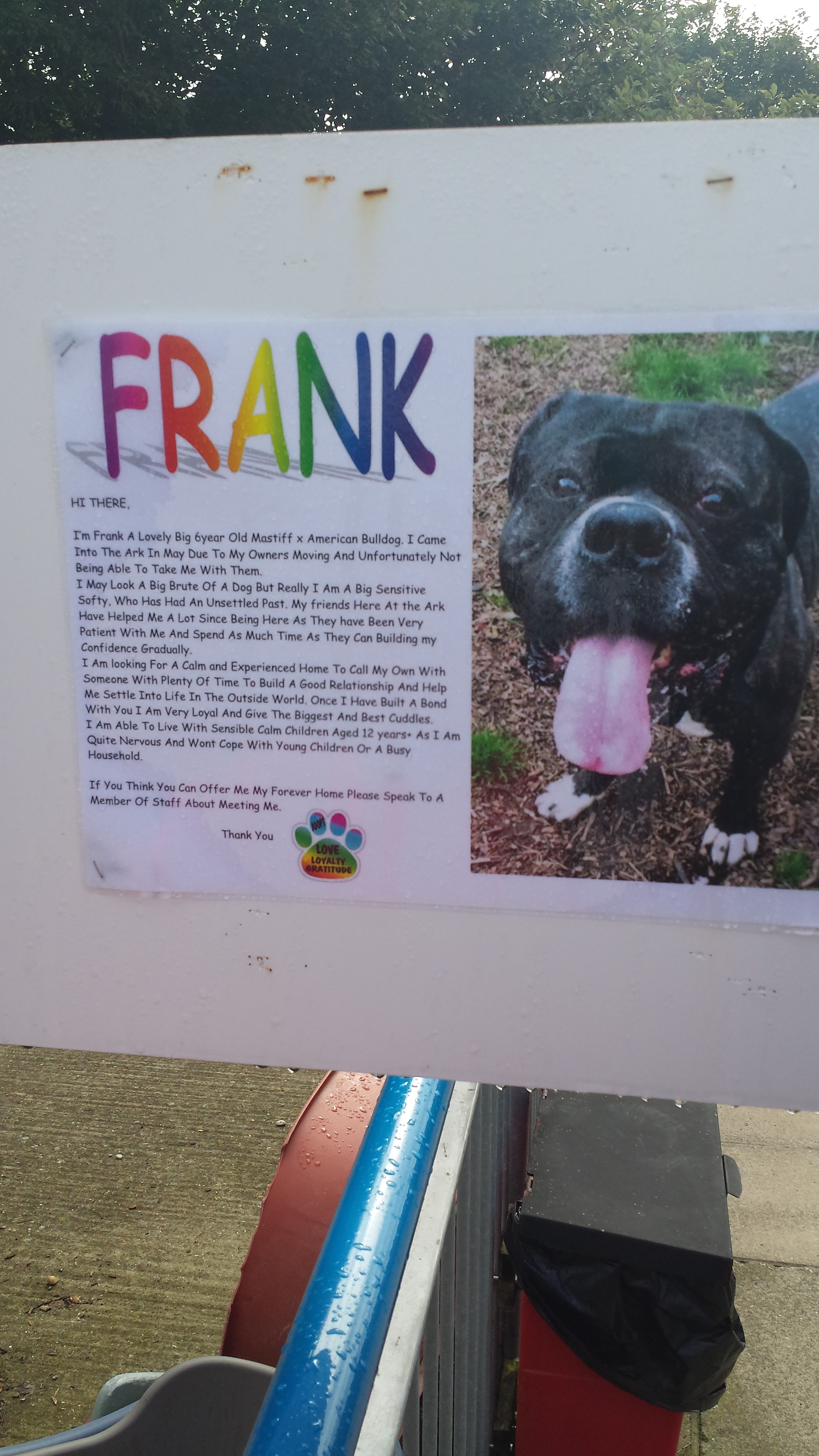
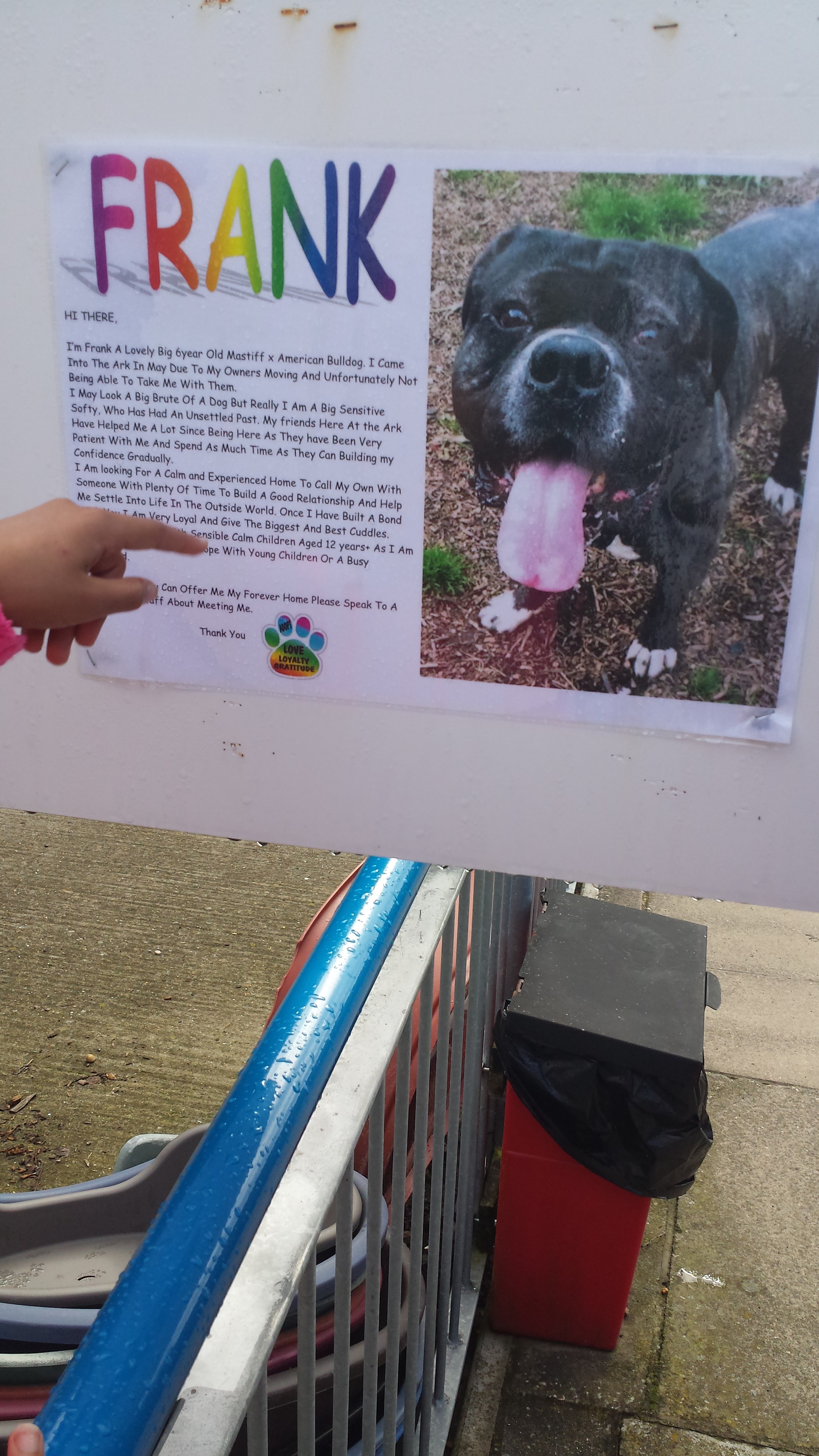
PICS & PHOTOS FROM MY RECENT TRIP TO PET RESCUE HOME

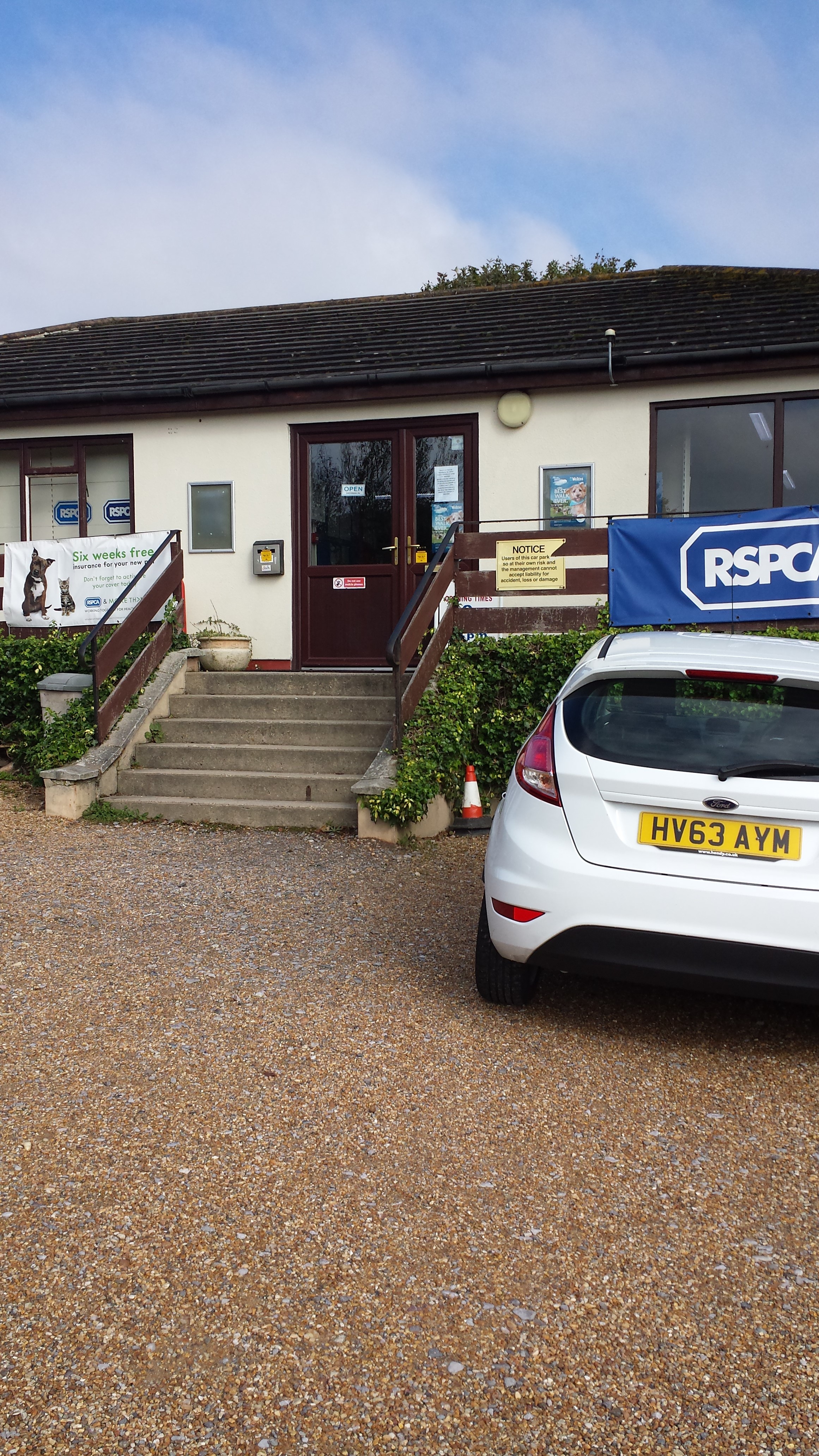
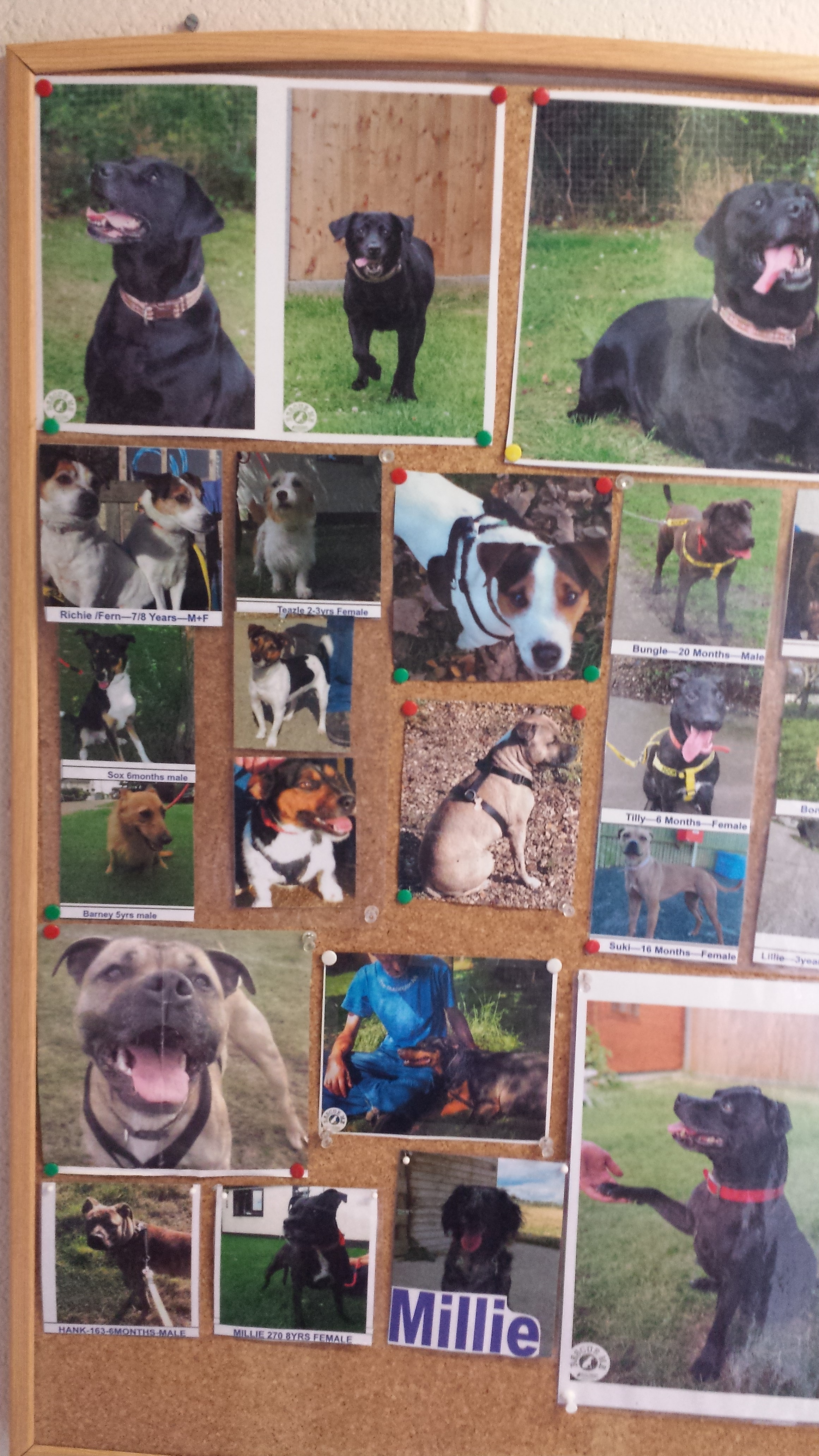
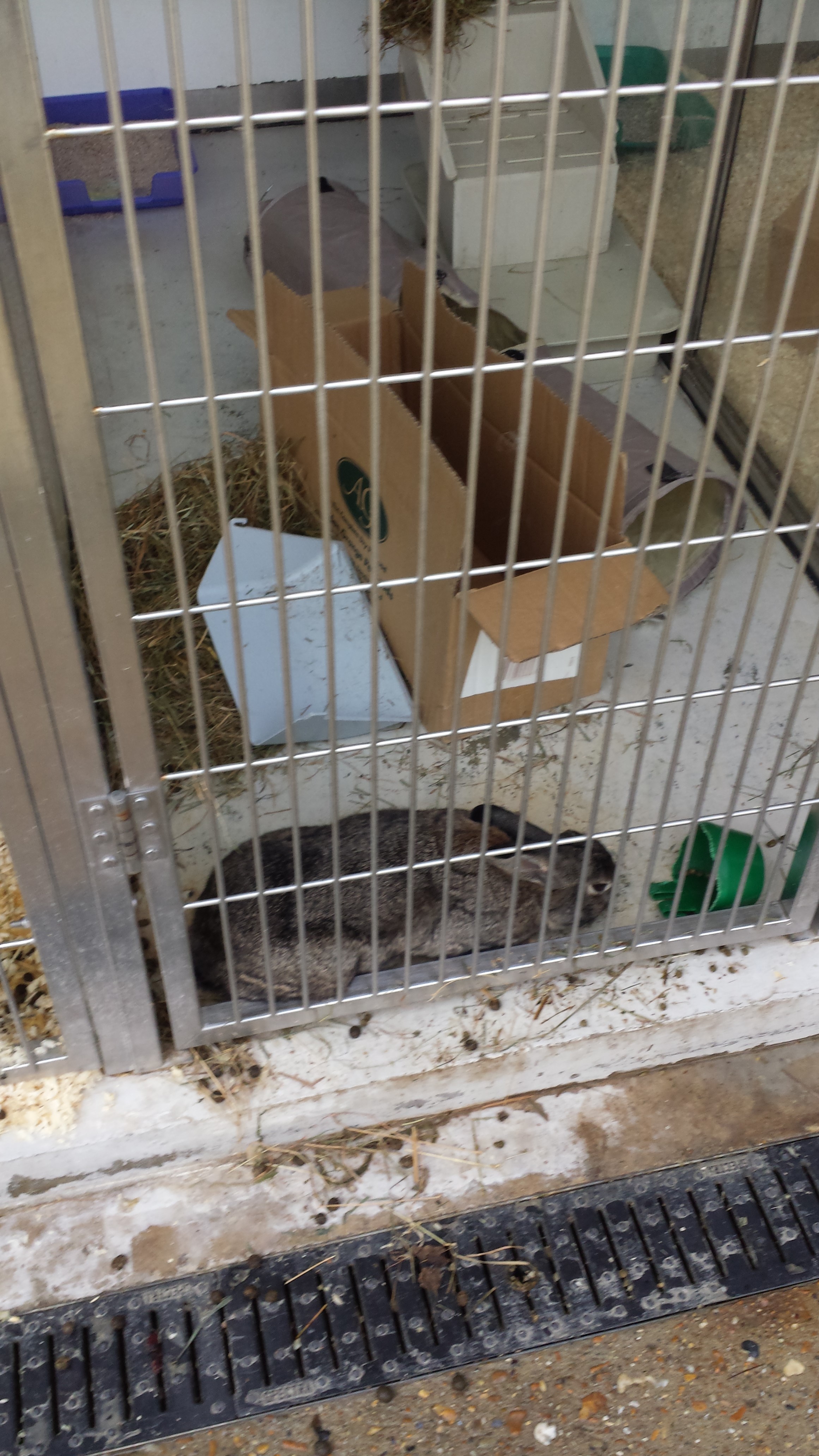
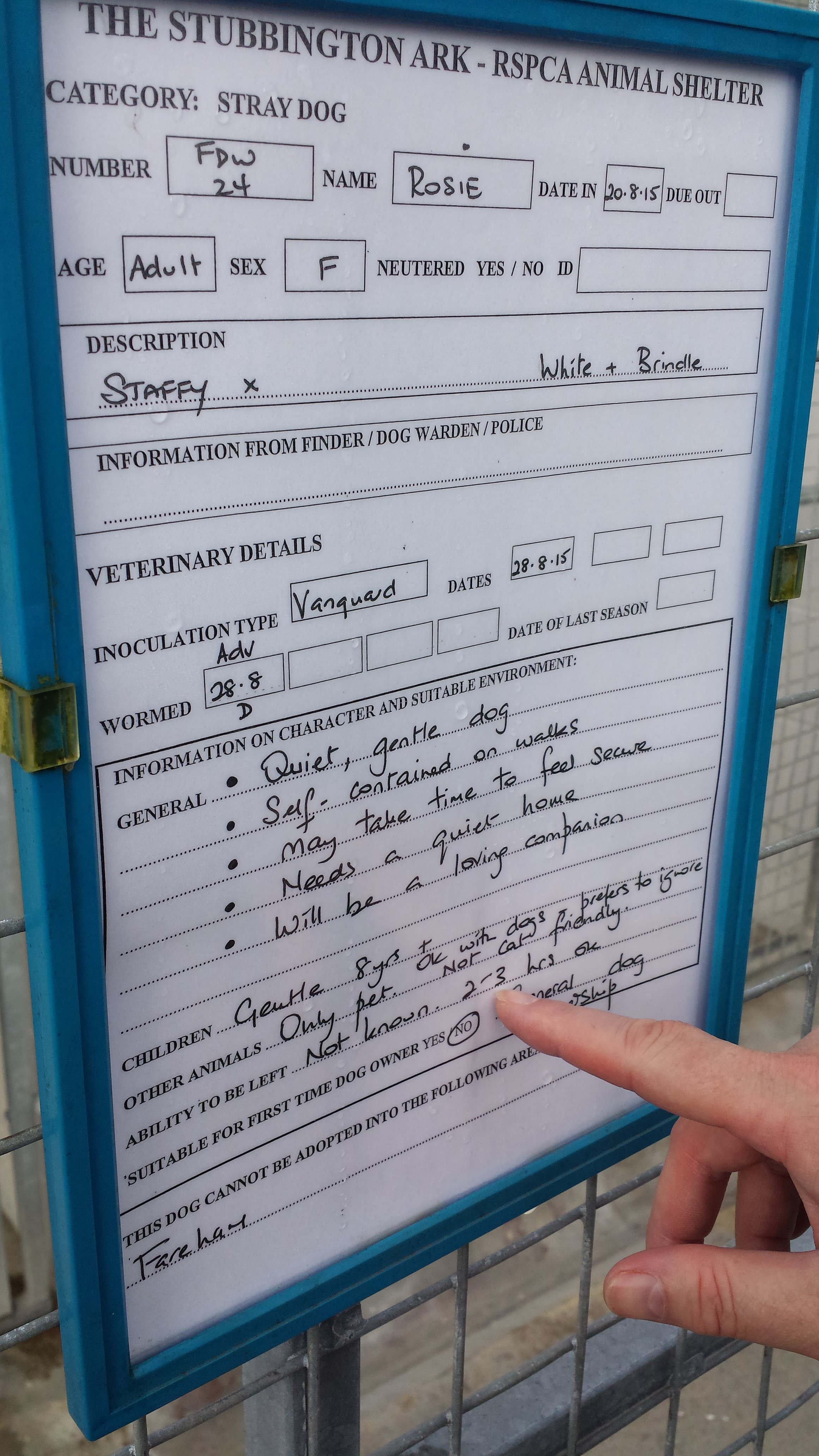
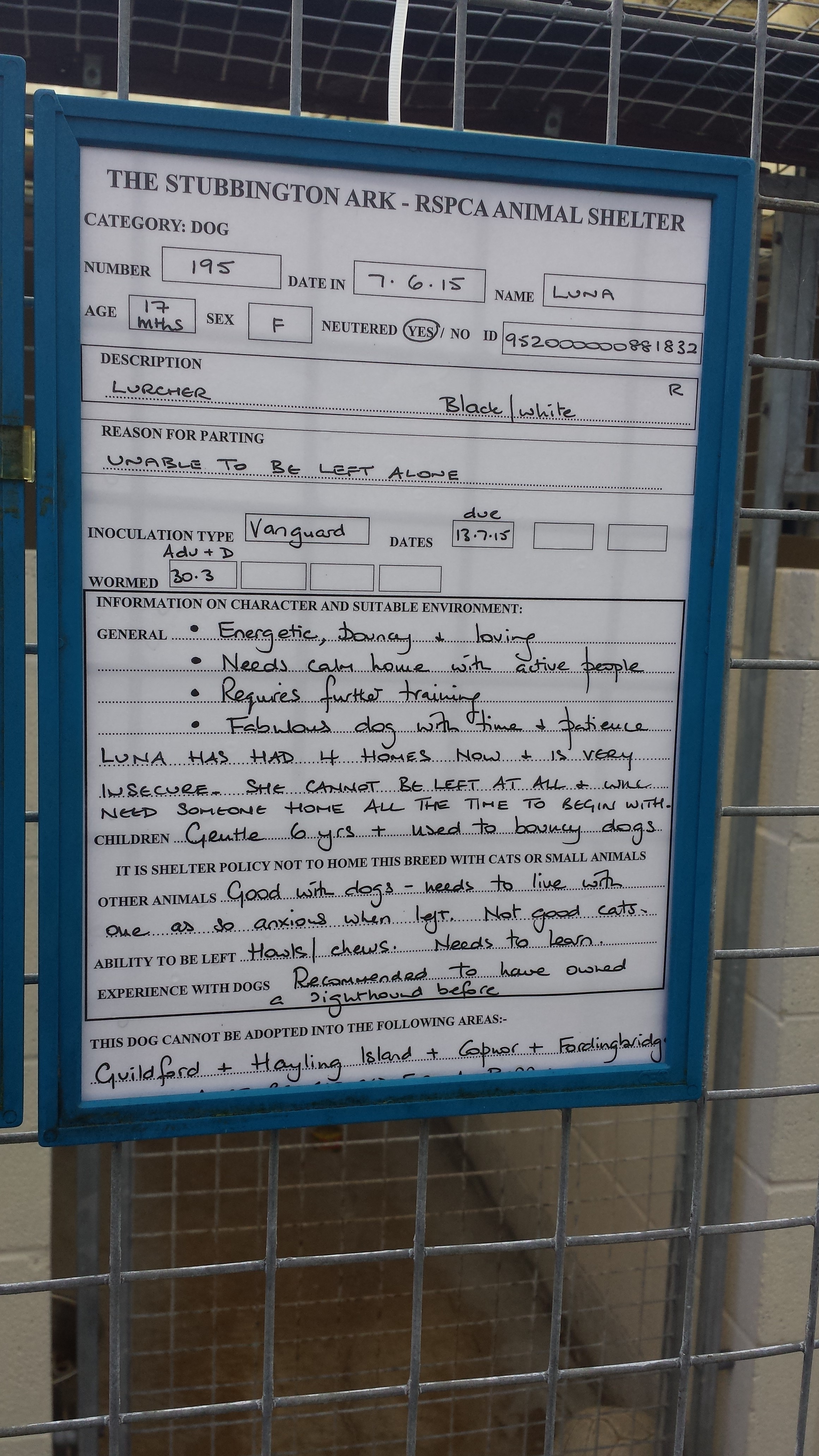
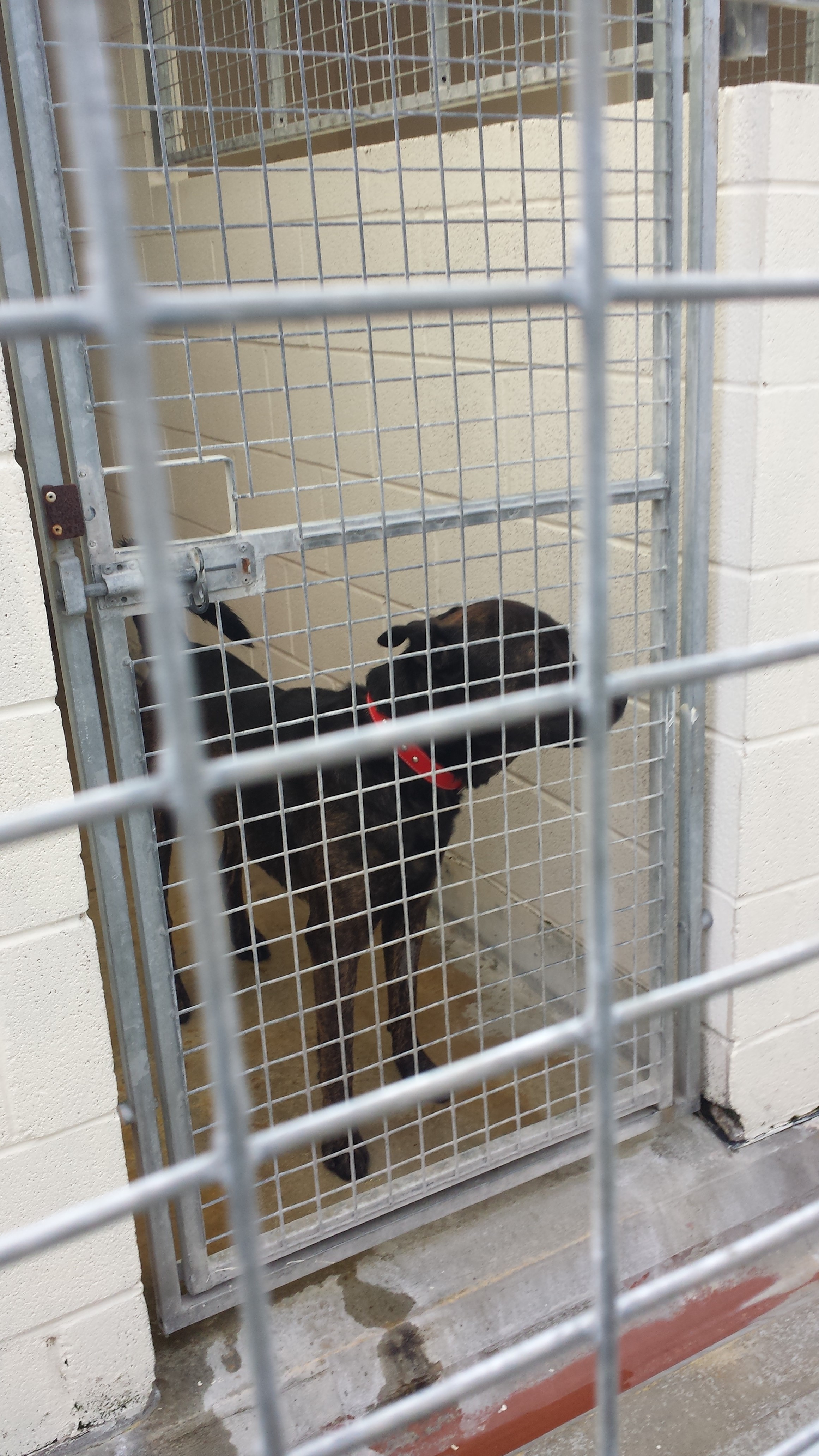
These are few pics from my recent trip to RSPCA

For those who do not know, RSPCA  stands for Royal Society for the Prevention of Cruelty to Animals Charity ·
Their website is: rspca.org.uk
The Royal Society for the Prevention of Cruelty to Animals is a charity operating in England and Wales that promotes animal welfare. In 2012, the RSPCA investigated 150,833 cruelty complaints. Wikipedia
Founded: 1824, Strand, London, United Kingdom

Key people: Gavin Grant

Videos will follow shortly.

20150919_105434 20150919_105510 20150919_104452 20150919_104555 20150919_103908 20150919_103848 20150919_103840 20150919_103304 20150919_102512 20150919_102500 20150919_101746 20150919_101604 20150919_101037 20150919_101051 20150919_101147 20150919_102415  20150919_101356 20150919_10103720150919_105611

Why India is rolling out the red carpet for all 54 African countries

India-Africa-summit

The Third India Africa Summit takes place in New Delhi between Oct.26-30. Over 50 African countries are expected to take part with most of them represented by their heads of state or government. This will be India’s most important and extensive outreach and will set the stage for even more economic and political interaction between India and Africa.

African and Indian ties are as old as the story of mankind. Mankind is generally believed to have originated in Africa, from where it migrated to other parts of the world, but first to South Asia across the Arabian peninsula and Southern Iran, about 80,000 years ago, according to the genetic evidence analysed by Luigi Cavalli Sforza and Stephen Oppenheimer. Closer to the present, the common experience of Africa and India with European colonialism gave them language, law, tradition and commerce that strongly bind them, as both regions strive to break out of the cycle of poverty and backwardness.

Growing fast

Africa is the second-largest and second-most populous continent on earth with an estimated population in 2015 of 1.17 billion people. Africa is home to 54 sovereign states and countries. The total gross domestic product (GDP) of the African continent is now over $2.8 trillion and it is growing at over 5% annually. This pace of growth will ensure that most African countries will be “middle income” by 2025. The projected GDP of Africa in 2050 is $29 trillion, placing it in the same range as India’s projected 2050 GDP. This is projected to be anywhere between $33 trillion-$55 trillion by 2050, depending on the growth trajectory and economic policies adopted. Clearly those who ignore Africa can now do so only at their own cost.

The two fastest growing economies, China and India are already major partners in Africa’s growth—12.5% of Africa’s exports are to China, and 4% are to India, which accounts for 5% of China’s imports and 8% of India’s. This will only rise, specially India’s due to its faster growth trajectory and historical and geographical proximity to Africa. Those who ignore Africa can now do so only at their own cost. 

The World Bank estimated in 2011 that 32.7% of Indians and 47.5% of Africans were living on less than $1.25 per day. Together, nearly 900 million people in India and Africa live in extreme poverty—almost 70% of the worldwide total. Strong economic growth over the past decade has made significant inroads into poverty. In the past decade, India posted an average GDP growth rate of 7.4% and Africa of 5.7%. Nearly 10% of Africa’s population escaped absolute poverty while India recorded even faster poverty reduction, with nearly 17% of its population exiting extreme poverty.

The Indian growth story since 2000 has taken the country to the third rank in global GDP in purchasing power parity terms. By 2050, India’s GDP is expected to be the largest, as its favourable demographics will endow it with the world’s biggest middle class. In the next four decades, 180 million Indian families will join its middle class, making it the largest expansion ever of the middle class in the world. The global growth story is now jumping continents.

Global economic growth engine

Africa is now being tipped as the global economic growth engine of the coming decades. Its vast natural wealth and favourable demographic profile are expected to turn the continent as a whole into a growth engine that is expected to run faster than any of the world’s current economic powerhouses, including China, Brazil and India.

Within Africa, a handful of countries such as South Africa, Nigeria, Kenya, Mozambique, Ghana and Zambia have caught the attention of economists and businessmen alike because of their improved infrastructure, natural resources, pool of skilled manpower and relative political and institutional stability. These countries stand out as the source of the greatest economic opportunity. The International Monetary Fund forecasts that six of the 10 highest growing economies between 2012 and 2017 will be African.  

In the past decade, India and Africa posted average GDP growth rates of 7.4% and 5.7%, respectively. Sub-Saharan Africa is projected to grow at 5.6% and India at 6.3% in the next five years. The International Monetary Fund forecasts that six of the 10 highest growing economies between 2012 and 2017 will be African. India and the African continent are also home to growing middle classes. Rapid urbanisation, rising disposable income and connectivity have triggered off unprecedented economic activity and growth in the two regions, and have made them the new engines of global growth, along with a somewhat fading China. While Chinese growth is expected to slow down even further, Indian and African growths are poised to keep increasing for the next few decades, given their favourable dependency ratios.

Old trade ties
Indian and African trade is as old as recorded history itself. There is much evidence that the Indus Valley civilisation had trade links with African countries that were fellow littorals of the Arabian Sea. Arab seafarers joined Indian and African markets and production centres and a brisk exchange of goods and people ensued. Nature favoured the establishment and expansion of this trade as the seasonal monsoon winds favoured relatively swift and safe to and fro passages. Indian merchants were quick to take advantage of this and scoured the eastern seaboard of Africa in search of gems, gold and ivory. East African mangrove poles too were a favourite item due to their length and mechanical properties that made them especially suitable as roof supports in buildings.

Over the centuries, the merchant kingdoms of Sindh, Gujarat, Maharashtra, Konkan and Malabar traded with East African merchant states such as Barawa, Kismayu, Kilwa, Sofala and Mombasa. Consequently the Indian silver rupee or sikka became the currency in that sprawling area and kept this status even during the European colonial period. Swahili which developed as a lingua franca throughout Eastern Africa is a mixture of Arabic and native languages with many loan words from Hindustani.

Africa also attracted an Indian diaspora, some of it forced, but which is now very much a part of the nations it has made its own. This population is now in excess of 2.16 million and is well placed in African societies in business, government, teaching and other professions, and now effectively bridges the two regions.

India’s modern day bilateral trade with Africa picked up late but despite this has been burgeoning at an exponential pace. It was a relatively modest $1 billion in 1995, but had risen to $35 billion in 2008, and the three following years it had scaled to $45 billion. This year it is expected to be in the region of $70 billion.

African exports to India have been growing annually at 32.2% while Indian exports to Africa grew annually at 23.6%. Consequently Africa’s trade surplus with India is rising rapidly, albeit driven in large part by a narrow range of suppliers and commodities. The top six African exporters—Nigeria, South Africa, Angola, Egypt, Algeria and Morocco—account for 89% of total African exports by value to India thanks mainly to exports of oil and gas, ores and gold. Crude oil and gas account for over 66% of exports to India, gold and other precious metals accounting for another 16% of exports, and most of the rest to import of fertilisers from Morocco, Egypt and Algeria.
Outside these top six African exporters, though a different picture emerges. India runs a trade surplus with 40 out of the 54 African countries. Trade is significantly more diversified at a product level and almost all exports from India have some degree of technological input.

India’s merchandise imports totalled $447.5 billion in 2015. Of this, oil imports accounted for $116.4 billion and gold was $34.4 billion. India has also emerged as a major consumer of oil and gold. This has contributed to the huge expansion of Indian imports from Africa, particularly with West Africa.

The population of Africa has more than doubled in just the past three decades, giving it a very youthful demographic profile. More than half the population is less than 25 years old. The population of Africa is currently projected to quadruple in just 90 years, with a growth rate that will make Africa more important than ever to global economy and more.

A rapidly growing India not only needs more commodities from Africa but also needs its vast market to pay for them. Africa is thus a great economic opportunity for India, and rightly India has turned its focus towards enhancing its economic ties with Africa. Just as important is the realisation that as India seeks a more important role in world affairs, it cannot remain indifferent to Africa’s 54 members in the United Nations.

Nigerian romance scammers & the IRS data breach

A general view of the U.S. Internal Revenue Service (IRS) building in Washington.
The United States government accidentally gave $50 million to a group of criminals this year.

Hackers successfully filed thousands of fraudulent tax returns to the Internal Revenue Service (IRS), which issued refunds for at least 15,000 of those returns to about 5,000 bank accounts.

We know the hackers used a large set of personal data, stolen from elsewhere, to log into the IRS website and download previously filed returns. We know they used those tax transcripts to create and file new returns that would generate refunds.

But one crucial part of the scam remained a mystery: How did the crooks manage to open 5,000 bank accounts in the US? And once the refunds were issued to those accounts, how did they get the money out?

It turns out there is a well-established criminal network in the US that specializes in maintaining multitudes of bank accounts, developing money mules, and funneling funds out of the country: Nigerian romance scammers.

The work of a romance scammer is not all that complicated. They spam as many people as possible over email or social media. The scammer tells the recipient that he happened upon her name or profile picture by chance. He says, I used to know someone with your name. He says, I saw your face and was instantly mesmerized. Later on, he starts asking for money. The response rate doesn’t have to be very high; one lonely, vulnerable mark can lead to thousands of dollars.

 And just like that, a victim becomes an accomplice. 

Those victims can also be used to move cash. An online lover sends a large deposit to her victim’s bank account, and asks him to transfer that money to Nigeria via Western Union. It’s for a business deal, she says. Or it’s for family, or it’s going into an offshore account. And just like that, a victim becomes an accomplice.

Here is what all of this has to do with the IRS data breach: In our previous story, we detailed the case of Michael Kasper, one of the victims of the breach. After he learned that the government had issued a refund for a fake tax return filed under his name, Kasper tracked down the bank where the refund was sent. It was located in Williamsport, a city of about 30,000 people in central Pennsylvania. The person who owned the account, 21-year-old Isha Sesay, was quickly identified and arrested.

Isha Sesay’s arrest warrant

Sesay told the police that she’d been hired on Craigslist to open a bank account, receive deposits–and wire the bulk of the money to Nigeria. Sesay’s account received just one other deposit, aside from the IRS refund: $5,400 from a man in South Dakota. Sesay’s arresting officer contacted the man, according to her arrest warrant, and found out why he sent the money:

[The victim] stated that he believes that he had fallen victim to some sort of internet money scam. He stated that he met a person online who identified theirself [sic] as Pamela Venes. [The victim] stated that he had never met Venes, but they had become close through communicating over the internet over a period of time.

Venes eventually began requesting money from the man, the arrest warrant said, claiming that she needed to pay some medical bills. According to the FBI, this is a common ploy in the world of internet cons: The scammers say they need money for travel documents, or say they’ve been a victim of a crime, or that they were in an accident and now have to pay exorbitant hospital bills.

So how did money from a romance scam and a large government data breach both end up in Sesay’s bank account? It’s certainly possible that she was the person who had posed as Pamela Venes online, tricking the South Dakota man into depositing $5,400 into a bank account. But Sesay opened that account under her own name, and it’s unlikely that a criminal who would make such an obvious mistake was involved in a complex operation like the IRS breach. Her arresting officer, Donald Mayes, said as much in an interview with Quartz.

Many of the details surrounding Sesay’s case are typical in romance scams. Last month, for example, a federal grand jury indicted nine individuals for defrauding 17 men and women they met on dating sites like Match.com and OKCupid. These alleged scammers also made claims of urgent hospital bills, according to the indictment, as well as “fake plane trips to visit the victims, fake problems with overseas businesses, and fake foreign taxes.” The indictment describes a vast web of transactions between the conspirators and victims to and from many bank accounts in Maryland and Virginia—and one in Nigeria.

Some of the bank accounts listed in the indictment(US District Court, Maryland)

There’s also the case of Elaine Elrod, whose story was told in detail by Brendan I. Koerner in Wired earlier this month. After falling in love with a man she met on Facebook, but had yet to meet in person, Elrod started receiving the typical requests for money. The man’s son had been in a car accident, he said. The hospital bills were piling up and he needed help. Elrod ended up sending the man every dime she had. And once her money was gone, the man began arranging for deposits to be made to her bank account, and asked her to wire those funds to Nigeria. Suddenly, Elrod was a money mule.

In another case, this one in 2012, a Georgia man was convicted of an array of crimes that included not only romance scams, but identity theft and hacking as well. After stealing login credentials to a payroll company’s computer systems and extracting money, the man and his accomplices used victims of romance scams to funnel the money to Nigeria. According to an FBI press release: “As part of the scheme, more than $300,000 in fraudulent payroll was wired to defendant Olaniyi Jones, a Nigerian national who impersonated a European woman interested in romantic relationships to dupe mules into wiring the proceeds of the scheme overseas.”

So where does all of this leave us? What we know is that the criminals who defrauded the IRS needed to have about 5,000 bank accounts ready to receive the incoming tax refunds. We know that one of those bank accounts also received a deposit from what appears to be a pretty typical internet romance scam. And we know that Isha Sesay told the police that she wired most of the money from both deposits to Nigeria, but she did not have any documentation to prove that. We also don’t have any proof that she was, as she said, hired on Craigslist to mule the money, and we don’t know why she used her real name to open the account.

As of August, the IRS had not followed up with the Williamsport police to inquire further about Sesay’s case. The agency has not yet released any details about the provenance of the data breach, and had no comment about the potential involvement of Nigerian romance scammers. The office of Rep. Peter Roskam, who previously told CNN that the attack originated in Russia, did not respond to emails asking whether he still believed that to be the case.

If it turns out that romance scammers did play a role in the IRS data breach, the next question will be how extensive that role was. Previous cases, like the one in Georgia, demonstrate that these groups have pulled off heists that utilize similar skill sets. It’s also worth considering that their network of bank accounts and mules could be farmed out to other criminal operations.

The IRS, meanwhile, says it is still investigating the breach.

South Africa’s pioneering social network loses out to Whatsapp and shuts down

On Friday (Oct. 23), Mxit, the South African-born instant messaging service, once dubbed Africa’s largest social network, announced that it was giving up the battle to compete against other mobile messaging platforms.

The company is “shutting down its commercial operations” reports Fin24, opting to hand over its IP and technology to the Reach Trust—a South African organization that uses mobile technology to solve educational and health challenges.

Founded in South Africa in 2005, Mxit was a popular instant messaging service for millions of South Africans, before the advent of Facebook, Whatsapp and other social networks in the country. In 2012, CNN reported that Mxit had 10 million users in South Africa, outpacing Facebook and Twitter at the time, with 6 million and 1.1 million users respectively.

But by 2013, Mxit’s hold on South Africa’s instant messaging market began sliding as Whatsapp began growing its popularity. According to Fin24, the company had 7.5 million active users in 2013, this declined to 1.2 million active users in July 2015.

Mxit’s instant messaging service was initially built for “feature phones”—handsets that are enabled with basic web and multimedia functionality, but lack the advanced features of a smartphone—allowing millions of South Africans to access instant messaging through the mobile web. Michael Jordaan, a South African venture capitalist and chair of Mxit, told Fin24 that the company’s declining user numbers were linked to smartphones becoming readily available, and that Mxit users switched over to Whatsapp as they upgraded to smartphones.

Speaking to Quartz, Arthur Goldstuck, a South African tech analyst, said that there was a lot that South African start-ups could learn from Mxit’s demise.

“The first thing [Mxit] did wrong is that they became complacent when they were at their peak. They made the same mistake Netscape made in the 90s— it underestimated Microsoft, and two years Netscape was wiped out. It was not only the rise of smartphones that led to Mxit’s decline, it was also the rise of other social networks. They woke up too late,” said Goldstuck.

Robert Mugabe of Zimbabwe is the latest strongman to win China’s Confucius Peace Prize

Robert Mugabe, the Zimbabwean dictator, has been named the winner of this year’s Confucius Prize, otherwise known as “China’s Nobel Peace Prize.”

Mugabe may not seem like the obvious choice for a peace prize, given his brutal, repressive 28-year rule of Zimbabwe that has been marked by torture and killing of political opponents and destruction of the local economy. But the Confucius Prize appears to be judged by different parameters than other peace prizes.

The Confucius Peace Prize Committee was established in 2010, the same year that the Nobel committee was preparing to award a peace prize to Chinese dissident Liu Xiaobo. Tan Changliu, its chairman at the time, expressed a wish to promote world peace from “an Eastern perspective.”

“China is a great nation that has been influenced by the Confucian concept of peace for a long time,” he told CNN. “Europe is full of small countries that had fought each other for centuries… We don’t want to see people who don’t understand peace to ruin the concept.”

The organizers are not connected to the Chinese government, and a year after it began, China’s culture ministry attempted to shut the operation down. But the committee moved to Hong Kong and renamed itself the China International Peace Studies Center. That year it awarded Vladimir Putin, the Russian president, its peace prize.

Here are the past winners:

2010

Lien Chan, former Taiwanese Kuomintang chairman, who met regularly with Chinese Communist Party leaders.

2011

Vladimir Putin, Russian president. A statement from the organizers said: “His iron hand and toughness revealed in [Russia’s 1999 war with Chechnya] impressed the Russians a lot, and he was regarded to be capable of bringing safety and stability to Russia.”

2012

Kofi Annan, former UN secretary general, for his “enormous contribution to the reform and revival of the United Nations.”

Yuan Longping, agriculture professor, for his work on hybrid rice.

In 2012 the award money was also raised from 100,000 yuan ($15,000) to $1.5 million which, chairman Qiao Damo noted, is “also more than the $1.2 million that the EU, the recipient of this year’s Nobel Peace Prize, will receive.”

2013

Yi Cheng, former president of China’s Buddhist Association.

2014

Fidel Castro, former president of Cuba.